From Kiplinger · · 2m
Self-Employed Mortgage Deductions Sink Applications
Self-employed tax write-offs can hurt mortgage approvals, here's how to fix it.
In brief
Self-employed tax write-offs can hurt mortgage approvals, here's how to fix it. Self-employed borrowers' tax deductions reduce lender-approved income, but strategic expense tracking and bank statement loans can improve mortgage approval chances. Originally reported by Kiplinger.
Self-Employed Borrowers Face Mortgage Hurdles
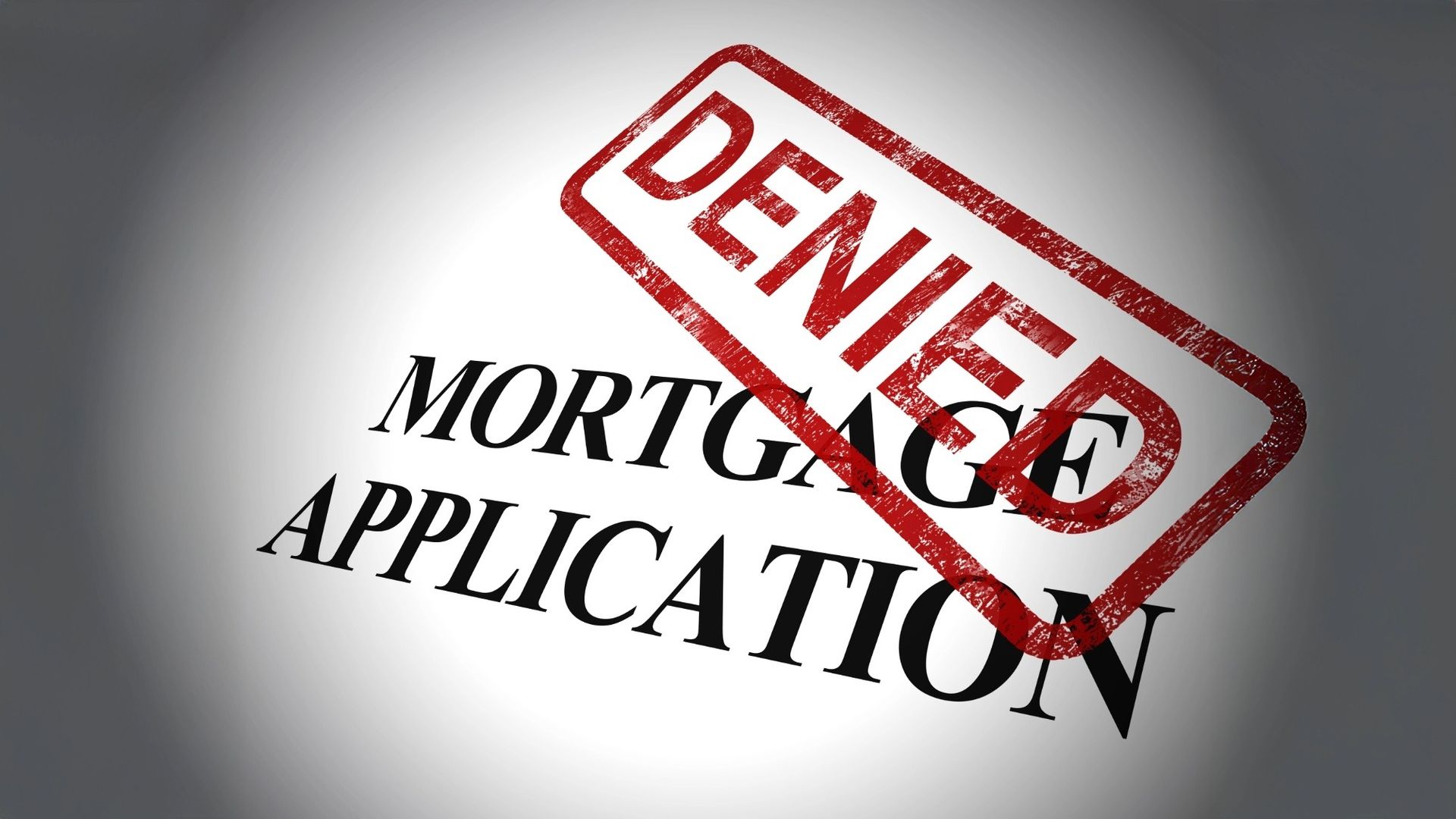
Self-employed homebuyers often apply for mortgages using tax deductions that shrink their reported income, risking approval denial.
Tax Deductions Reduce Lender-Approved Income
Mortgage underwriters use net profit from tax returns to calculate monthly income, which shrinks when tax write-offs are high.
16.8 Million Americans Are Self-Employed
Bureau of Labor Statistics data shows 16.8 million Americans, over 10% of the workforce, are self-employed as of late 2025.
Upwork Counts 64 Million Freelancers
Upwork research indicates 64 million people, nearly 38% of workers, do freelance work over a year.
Conventional Loans Use Tax Write-Offs
Conventional loans calculate qualifying income from net profit on tax returns, not business earnings.
Noncash Write-Offs Don't Lower Income
Depreciation, home office deductions, depletion, and amortization don't reduce lender-approved income even though they lower tax bills.
Cash Costs Reduce Qualifying Income
Supplies, subcontractors, vehicle costs, insurance, fuel, and travel expenses lower qualifying income by reducing net deposits.
Bank Statement Loans Show Real Cash Flow
Bank statement loans use deposits to calculate income, discounting business expenses to find qualifying income.
Lenders Assume 50% Expense Ratio
Lenders typically assume business expenses consume half of deposits, counting 50% as income for business accounts.
Clean Deposits Improve Approval Chances
Separating business and personal accounts creates deposits that lenders can easily count without discounting.
CPA Expense Statements Boost Income
A CPA-prepared expense statement can increase qualifying income by showing lower true costs than lenders assume.
Choose the Right Loan Window
Businesses with steady income work best over 12 months, while seasonal businesses benefit from 24-month windows.
Self-Employed Borrowers Can Qualify
Self-employed borrowers can secure mortgages by tracking expenses, using bank statement loans, and preparing their financial files correctly.
In short
Self-employed borrowers' tax deductions reduce lender-approved income, but strategic expense tracking and bank statement loans can improve mortgage approval chances.