From Kiplinger · · 3m
Why rising Treasury yields matter for your loans
The 10-year Treasury yield climbed to 4.93% in September. Here's how that affects mortgage rates, car loans, and credit cards.
In brief
The 10-year Treasury yield climbed to 4.93% in September. Here's how that affects mortgage rates, car loans, and credit cards. Rising Treasury yields push up mortgage rates directly, make car loans more expensive indirectly, and signal that credit card relief may be slow to arrive. Originally reported by Kiplinger.
Treasury yields are climbing fast
The 10-year Treasury yield jumped to 4.93% in mid-September, up from 4.19% at the start of the year. Higher oil prices, inflation concerns, and government borrowing are pushing yields up.
What Treasury yields actually are
Treasury yields represent the return investors get for lending money to the federal government. The 10-year Treasury is a key benchmark for longer-term borrowing costs, especially mortgages.
Not all interest rates move together
Mortgages, auto loans, and credit cards respond to different parts of the interest-rate market. A higher Treasury yield doesn't mean every borrowing rate will immediately rise.
Mortgage rates track Treasury yields closely
Thirty-year fixed mortgage rates tend to move in the same direction as the 10-year Treasury yield. Mortgage rates can rise or fall without the Federal Reserve changing its benchmark rate.
Current mortgage rates are already high
The average 30-year fixed mortgage rate is 6.95%, up from 6.26% a year earlier. The Federal Reserve raised its benchmark rate in September as inflation remains elevated.
Small rate increases add up fast
On a $400,000 mortgage, a 0.25% rate increase raises your monthly payment by about $67. A 0.5% increase adds roughly $135 per month, before taxes and insurance.
Higher rates reduce buying power
For buyers stretching their budgets, higher mortgage rates can reduce how much home you can afford even if prices don't change. Refinancing later isn't guaranteed.
Auto loan rates aren't directly tied to Treasury
Auto loan rates don't move directly with the 10-year Treasury, but lenders operate in the broader interest-rate environment. Higher market rates make car financing more expensive.
Car loans are already expensive
Average rates in early 2026 were 6.39% for new cars and 11.19% for used cars. On a $30,000 five-year loan at 6.39%, you'd pay about $5,126 in interest.
Shop for auto loans before the dealership
Get preapproved through a bank or credit union before visiting a dealer. A one percentage point rate increase on a $30,000 loan adds nearly $850 in total interest.
Credit card rates work differently
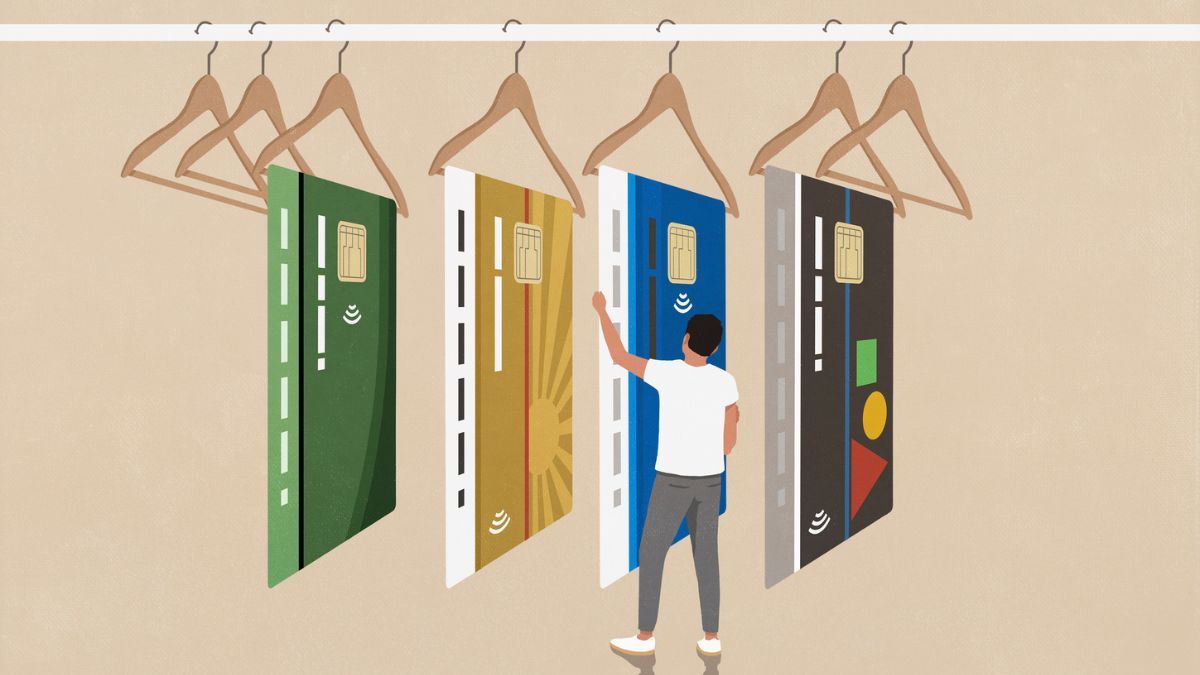
Most variable-rate credit cards are tied to the prime rate, not the 10-year Treasury. If Treasury yields jump, your existing credit card APR won't automatically rise.
High yields signal slow relief ahead
Persistently high Treasury yields suggest investors expect inflation or rates to stay elevated. That means relief for borrowers may take longer to arrive.
Don't wait for rates to drop

Trying to time the bond market is risky. Instead, make sure a loan works for your budget based on today's rates. Compare quotes from multiple lenders before borrowing.
Improve your credit before applying
Paying down credit card balances, fixing credit report errors, and making on-time payments strengthen your position when applying for financing.
The key point
Rising Treasury yields push up mortgage rates directly, make car loans more expensive indirectly, and signal that credit card relief may be slow to arrive.