From Ksl · · 1m 50s
Leap second vote could end timekeeping rules
International timekeepers may vote to eliminate leap seconds by May 2027, risking major tech disruptions.
In brief
International timekeepers may vote to eliminate leap seconds by May 2027, risking major tech disruptions. BIPM members will vote Thursday to drop leap seconds, potentially causing tech outages but avoiding negative leap seconds by 2035. Originally reported by Ksl.
Quick answers
- What is a leap second?
- Leap seconds align Earth's rotation with Coordinated Universal Time but cause tech issues.
- Why ditch leap seconds?
- The 69 member states of BIPM will vote on a resolution to ditch leap seconds by May 2027.
- What is the key takeaway from Leap second vote could end timekeeping rules?
- BIPM members will vote Thursday to drop leap seconds, potentially causing tech outages but avoiding negative leap seconds by 2035.
Leap second vote on Thursday
International timekeepers may vote Thursday to eliminate leap seconds by May 2027.
What is a leap second?
Leap seconds align Earth's rotation with Coordinated Universal Time but cause tech issues.
Leap seconds cause problems
The extra second crashed Reddit and LinkedIn and knocked out Qantas' booking system in 2012.
BIPM proposes change
BIPM proposes letting atomic time drift from astronomical time, potentially creating a leap hour.
Why ditch leap seconds?
The 69 member states of BIPM will vote on a resolution to ditch leap seconds by May 2027.
Leap seconds' history

Leap seconds have been inserted 27 times since 1972 to sync Earth's rotation with atomic clocks.
Earth's rotation issues
Earth's wobbling rotation causes leap seconds, exacerbated by climate change and ice melt.
Negative leap seconds
A negative leap second could subtract a second from Coordinated Universal Time by 2035.
Tech disruption risks
Critical infrastructure operators are 'largely unprepared' for negative leap seconds.
Russia and UK opposition
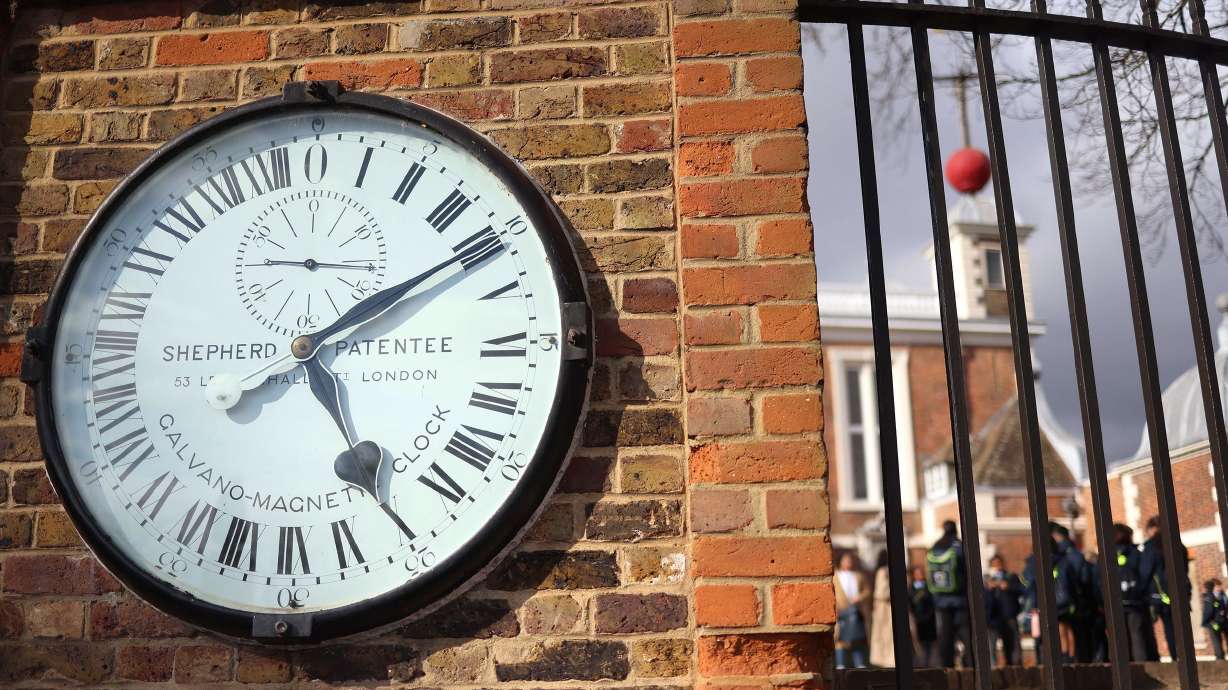
Russia opposed leap second removal due to GLONASS, while the UK initially opposed due to Greenwich's cultural role.
BIPM's 2022 vote
BIPM member countries voted in 2022 to phase out leap seconds by 2035.
Leap hour proposal
BIPM proposes atomic time drifts from astronomical time, with a max 3,600-second difference.
Future implications
Future generations may need to take a 'leap hour' if atomic time drifts significantly.
The one thing
BIPM members will vote Thursday to drop leap seconds, potentially causing tech outages but avoiding negative leap seconds by 2035.




