From LADbible · · 50s
Brain fills gaps in what we see
Simulation reveals brain's role in shaping perception.
In brief
Simulation reveals brain's role in shaping perception. A simulation shows the brain fills gaps in vision to create a coherent image. Originally reported by LADbible.
Brain fills gaps in vision
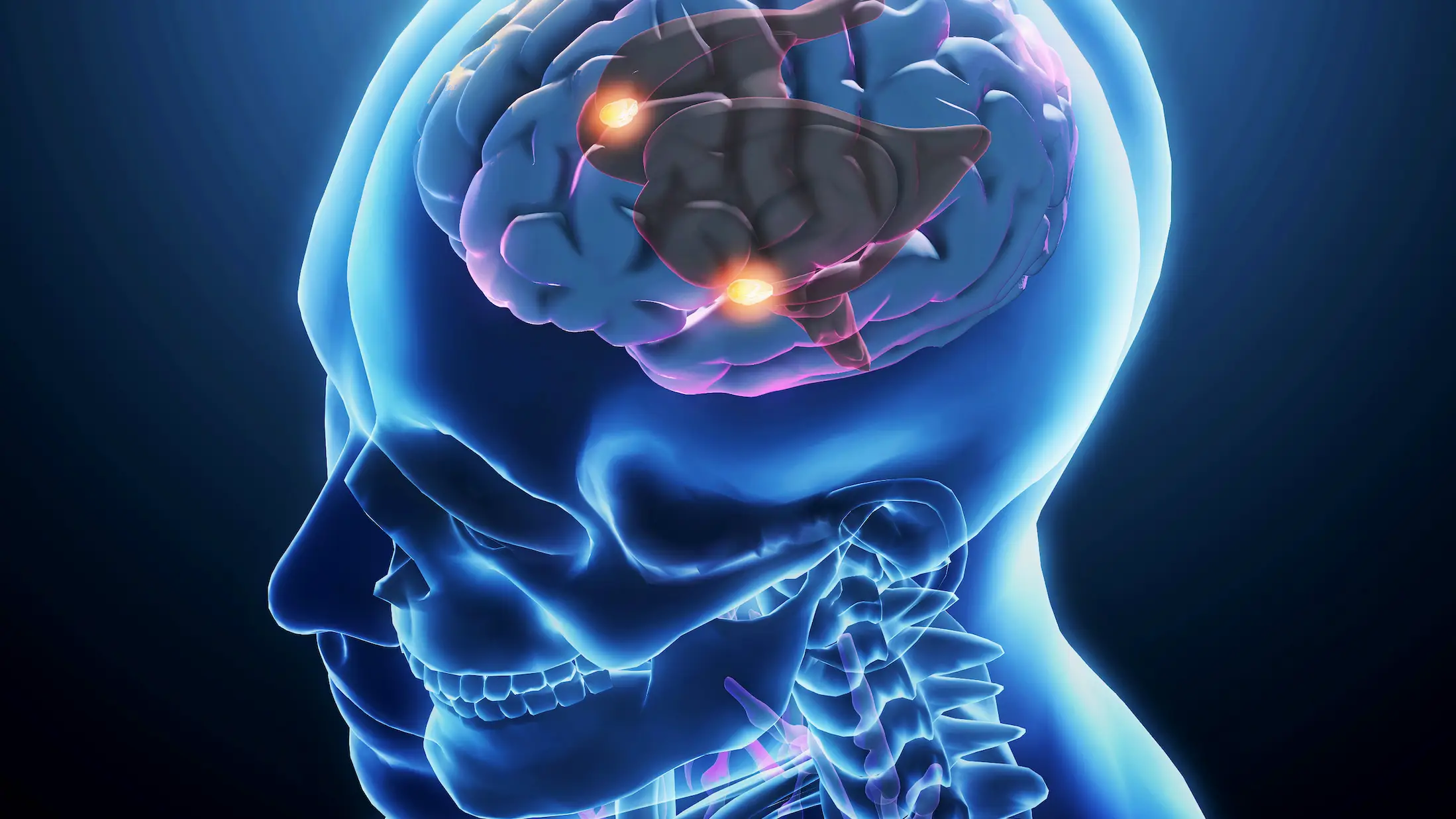
The brain creates a coherent image by filling gaps in what we see.
“Thus what we see does not depend entirely on what is out there but also to a considerable extent on what the brain computes to be most probably out there”
Vision is filtered and interpreted
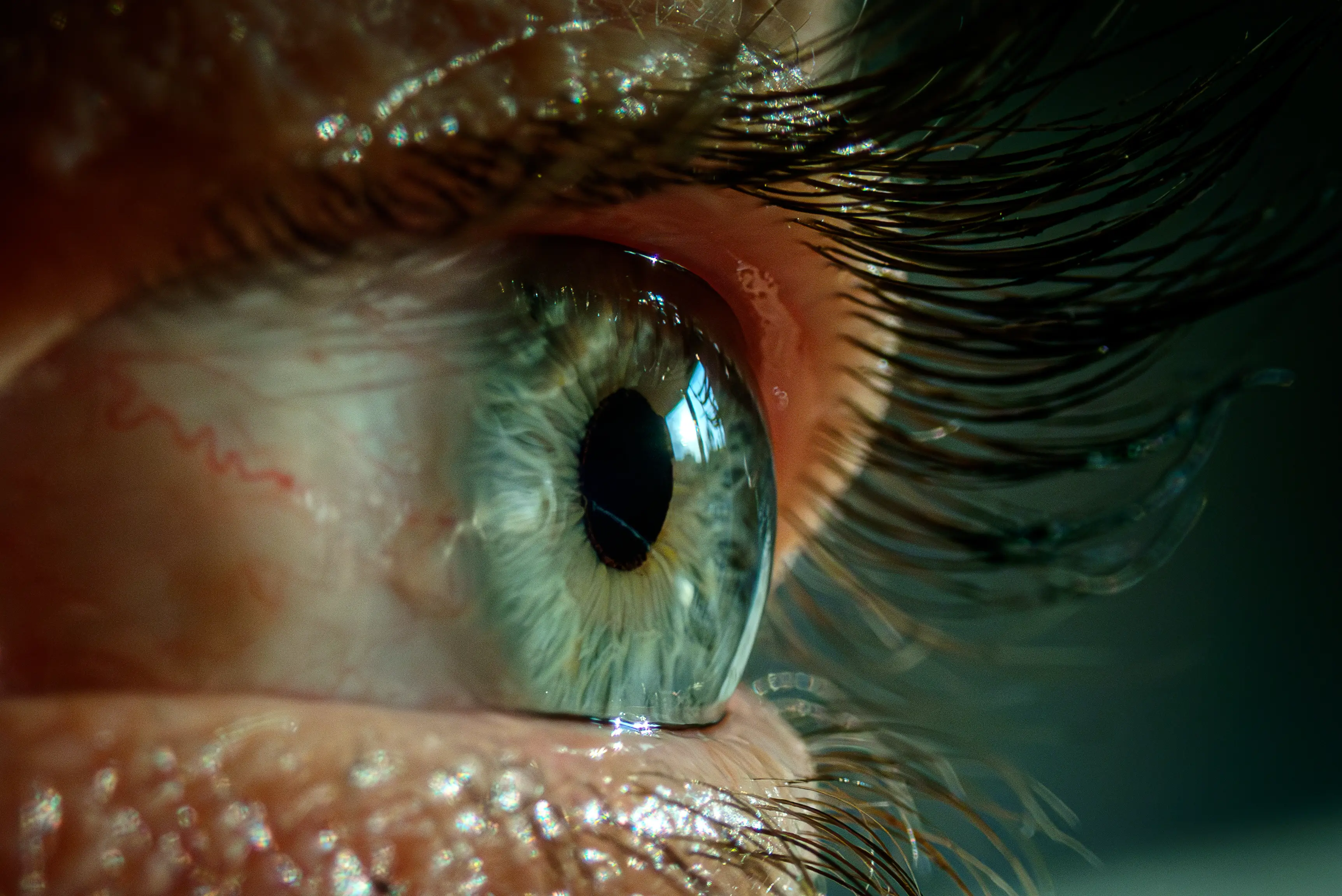
Vision is not a simple case of what eyes pick up going to the brain, it's all filtered and interpreted.
“Vision is not a simple case of what is picked up by the eyes going to the brain, it's all filtered and interpreted”
Experiment shows conflicting images
People saw mixed images of a monkey's face and jungle, but their brains created two complete images.
“They then mixed the images together into two pastiches and again showed them to one retina apiece, with the people not seeing the pastiches as they actually looked but two complete images of the monkey and jungle alternating”
Brain fills blanks during saccades
During rapid eye movements, the brain uses memory to fill in what eyes see.
“Scientists found that during a saccade, which is where the eye rapidly moves, your brain will largely create what you think you see from memory rather than relying on what the eyes are seeing”
Optical illusions rely on filling gaps
Many optical illusions work because the brain fills in gaps with expected images.
“Many optical illusions rely on the brain filling in the blanks with what it expects to see in order to hide what's actually there”
The big picture
A simulation shows the brain fills gaps in vision to create a coherent image.




