From LA NACION · LA NACION · · 2m
Argentina detects new COVID variant PJ.2.1
Researchers in Buenos Aires identify a highly transmissible omicron descendant in three patients, but vaccines still offer protection.
In brief
Researchers in Buenos Aires identify a highly transmissible omicron descendant in three patients, but vaccines still offer protection. Argentina detected the PJ.2.1 COVID variant in three hospitalised patients; the WHO is monitoring it but vaccines retain effectiveness against it. Originally reported by LA NACION.
New variant found in Argentina
Researchers at Universidad Nacional de La Plata identified PJ.2.1, a descendant of omicron, in three patients hospitalised in Buenos Aires province.
Who was infected
The three patients were two babies aged one and two months and an adult aged fifty eight years. Genetic sequencing confirmed all three carried the variant.
Highly contagious but not severe
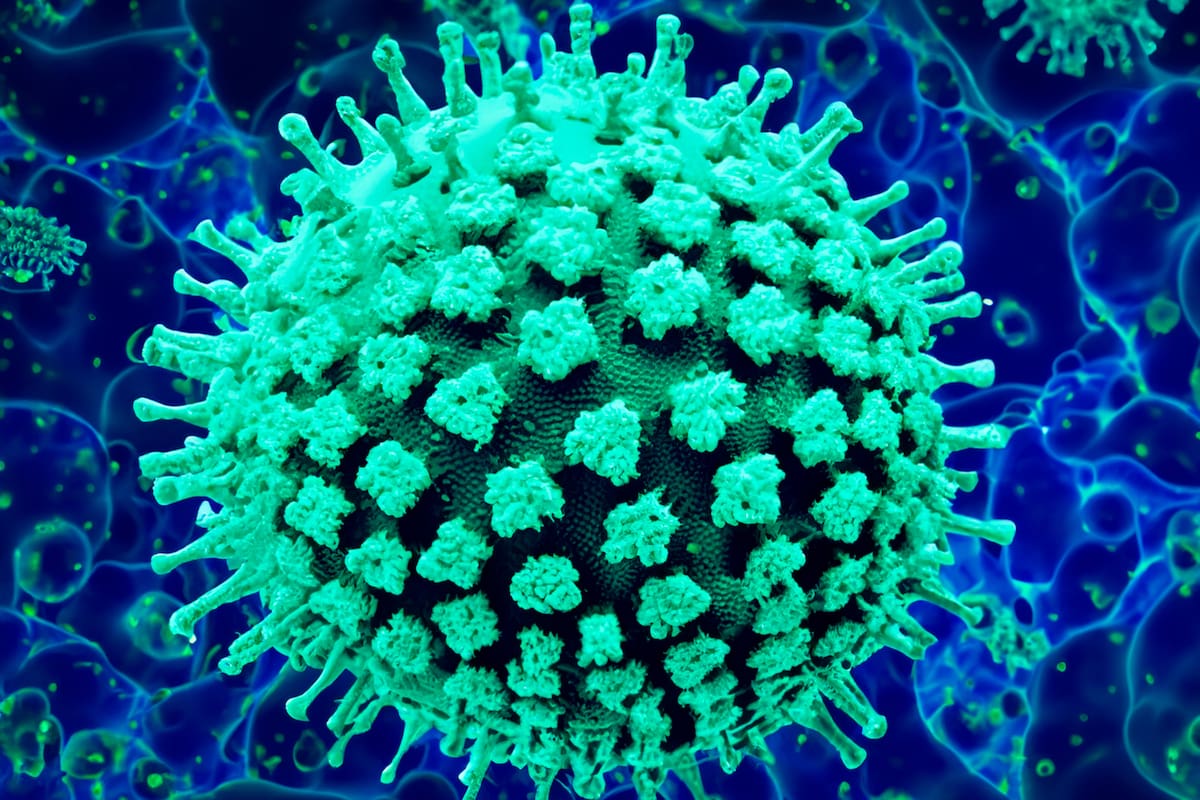
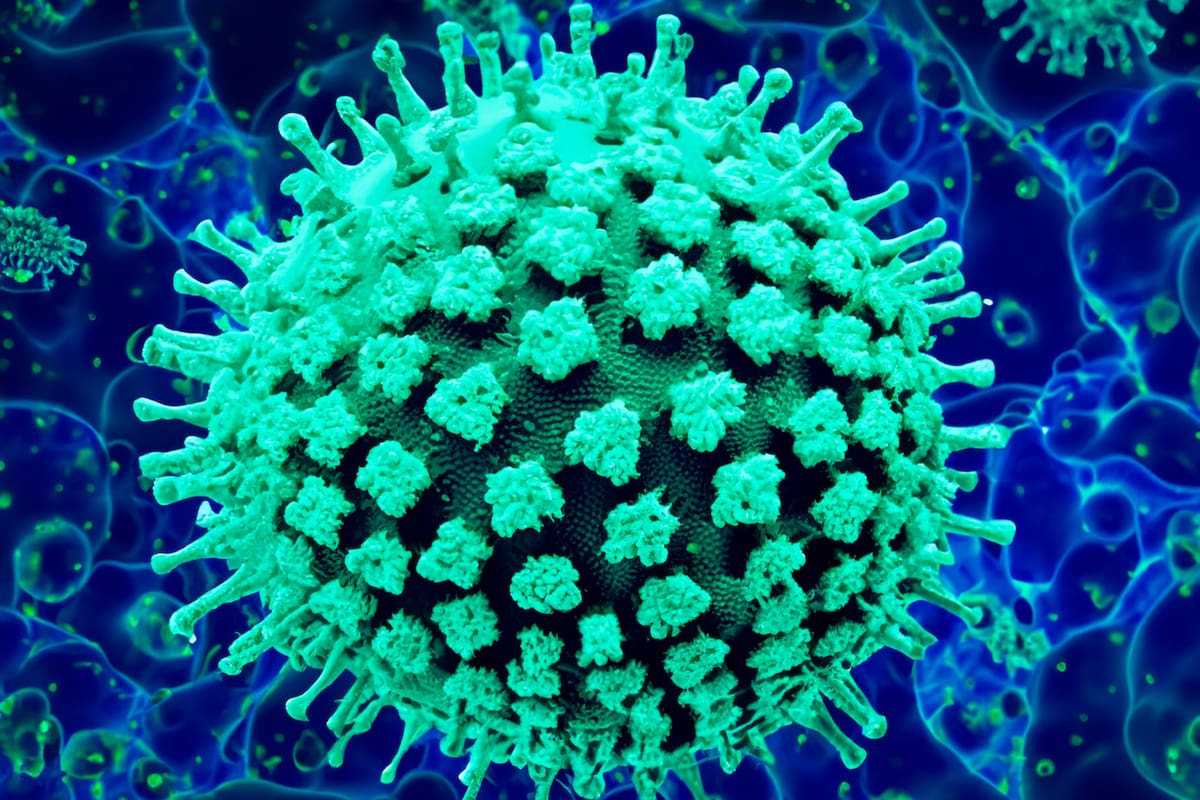
PJ.2.1 presents greater transmission capacity than other variants, but there is no evidence it causes more severe illness. The WHO added it to its surveillance list.
Expert assessment
Infectologist Hugo Pizzi said PJ.2.1 is very contagious but not severe, has circulated in the US and Europe for some time, and more cases likely exist in Argentina.
“es una variante desprendida de ómicron, muy contagiosa pero no contundente”
Symptoms are not distinctive
No specific clinical picture distinguishes PJ.2.1 infections from other coronavirus variants. Symptoms include fever, cough, sore throat and nasal congestion, similar to other respiratory infections.
Who faces greater risk
COVID can cause complications especially in older adults, immunocompromised people, those with chronic diseases and pregnant women, though many develop mild illness.
Vaccines still protect
Laboratory studies show antibodies from updated vaccines retain capacity to recognise and neutralise PJ.2.1. Neutralising activity was found against vaccines adapted to LP.8.1 and XFG variants.
Vaccination remains essential
Vaccination is a primary tool to reduce hospitalisation, complications and death from COVID, especially for vulnerable people. Pizzi recommends all frail patients and pregnant women be vaccinated.
“Recomendamos que todo paciente frágil, con enfermedades intercurrentes, se vacune”
Annual vaccination advised
Infectologist Ricardo Teijeiro said older adults, immunosuppressed people and pregnant women should be vaccinated against COVID every year, as the virus circulates year round unlike seasonal respiratory infections.
“aquellos que tienen riesgo, los adultos mayores, inmunosuprimidos y embarazadas, deben vacunarse todos los años contra el Covid”
What matters most
Argentina detected the PJ.2.1 COVID variant in three hospitalised patients; the WHO is monitoring it but vaccines retain effectiveness against it.
Read the TL;DR — this story on one card.