From LA NACION · Jorge Fernández Díaz · · 3m
Argentina's polarization trap
An opinion piece argues that Argentina's extreme political division, driven by binary thinking and hatred rather than ideology, threatens democracy itself.
In brief
An opinion piece argues that Argentina's extreme political division, driven by binary thinking and hatred rather than ideology, threatens democracy itself. Jorge Fernández Díaz argues Argentina's political polarization between peronism and antiperonism, fuelled by hatred rather than policy, will destroy democracy…
Quick answers
- Will Argentina resist polarization?
- The question remains whether Argentina will heed the Pope's call to resist polarization and abandon manichaeism. A transversal, multitudinous civil mobilization once showed exhaustion with division.
- What is the key takeaway from Argentina's polarization trap?
- Jorge Fernández Díaz argues Argentina's political polarization between peronism and antiperonism, fuelled by hatred rather than policy, will destroy democracy unless the country changes course.
Milei's binary worldview
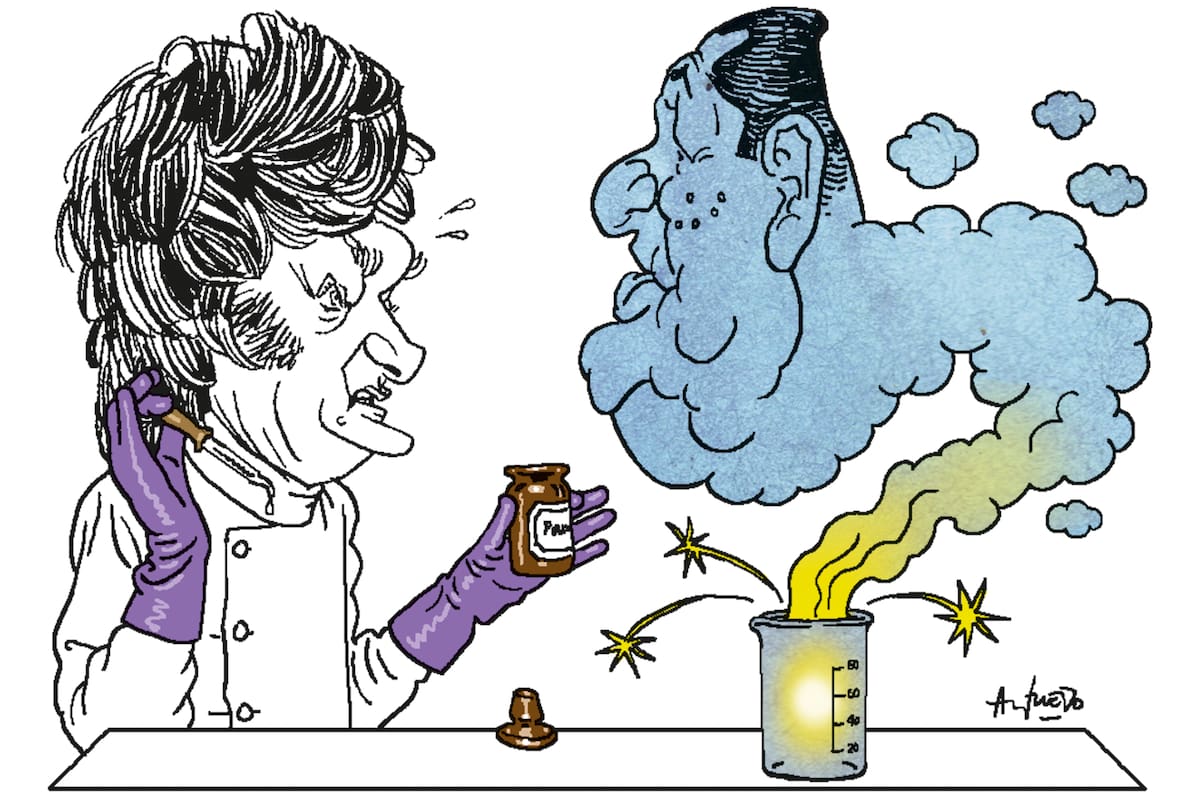
President Milei uses abstract mathematics to defend political extremes, arguing the middle ground is morally unacceptable. He frames politics as a battle between good and evil.
“una tibieza moral vomitiva e inaceptable”
Pope warns of polarization
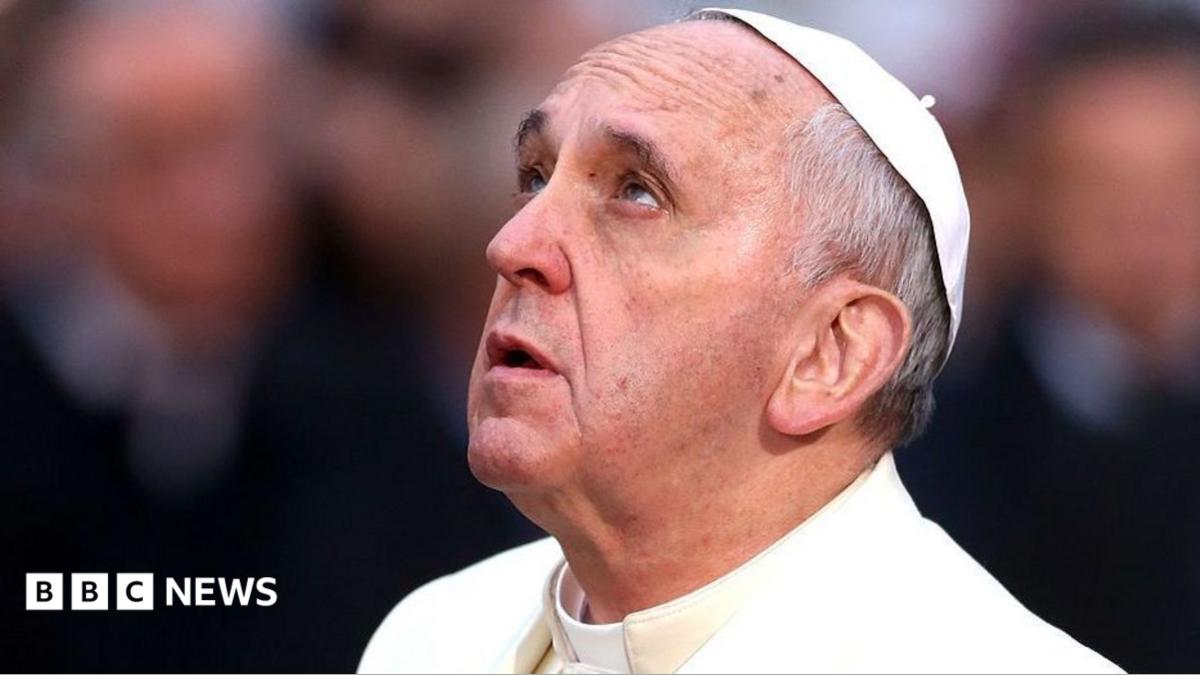
Pope Francis, returning from Latin America, called polarization one of the most destructive problems in liberal democracies. He said algorithms and media tribalism deliberately provoke it.
“Nos hemos dejado llevar por los algoritmos y una polarización que no es casual”
The Pope's plea to change
Francis urged people to change their thinking and avoid violent language. He told journalists they bear responsibility for polarization and must help break the cycle.
“podemos cambiar ese chip, podemos pensar de otra forma”
The pendulum trap
Without conversation and lasting policy agreements, there is no republic, only a cycle where each side tears down what the other built. This pendulum is the key to Argentina's devastation.
“Sin conversación, ni acuerdos de políticas perennes de fondo, no hay república”
Polarization kills democracy
Extreme polarization eventually destroys democracy. The sooner Argentina processes this truth, the better its chances of survival. Polarization also corrodes intelligence.
“La polarización al final extermina la democracia”
Ideology becomes identity
Writer Arturo Pérez-Reverte explained on El Hormiguero that ideology has become identity. Voting no longer reflects what you think but who you are, making opponents seem like enemies.
“Estás conmigo o estás contra mí, y no hay nada en el medio”
Hatred replaces ideology
Managing resentment against part of the population is easier than sketching an attractive project. Creating persecution nightmares and hatred is simpler than dreaming of sustainable progress.
Peronism versus antiperonism returns
Both government and opposition have made a Faustian pact to wage an electoral war between peronism and antiperonism. Cristina Kirchner and Sergio Massa found their saviour in Juan Perón.
A choice between lesser evils
The contest will be between Drácula and the Hombre Lobo. Neither Milei nor the opposition can offer a compelling vision after failed predictions and broken promises.
Will Argentina resist polarization?
The question remains whether Argentina will heed the Pope's call to resist polarization and abandon manichaeism. A transversal, multitudinous civil mobilization once showed exhaustion with division.
Reason must flee extremism
Molière wrote that serene reason flees all extremism and yearns for moderate prudence. The question for Argentina is whether it can change its chip and think differently.
“La serena razón huye de todo extremismo y anhela la prudencia moderada”
The short version
Jorge Fernández Díaz argues Argentina's political polarization between peronism and antiperonism, fuelled by hatred rather than policy, will destroy democracy unless the country changes course.
Read the TL;DR — this story on one card.