From LA NACION · Carola Gil · · 2m
Late bloom: why Japanese culture celebrates flowers that refuse to rush
A gardener's delayed poppy becomes a lesson in osozaki, the Japanese art of finding beauty in things that take their time.
In brief
A gardener's delayed poppy becomes a lesson in osozaki, the Japanese art of finding beauty in things that take their time. Japanese culture celebrates osozaki, late-blooming flowers and people who flourish on their own schedule, finding strength in delay rather than frustration. Originally reported by LA NACION.
A false spring confuses the garden
Few sunny days and low temperatures left the author's flowers half their usual size by November. Weeks passed with no colour, only green growth and waiting.
Poppies need sun and proper watering
The author planted tiny seeds collected the year before, marked carefully as Amapolas November two thousand twenty five. Everything seemed perfect until endless rain and no sun arrived.
The buds hung in protest
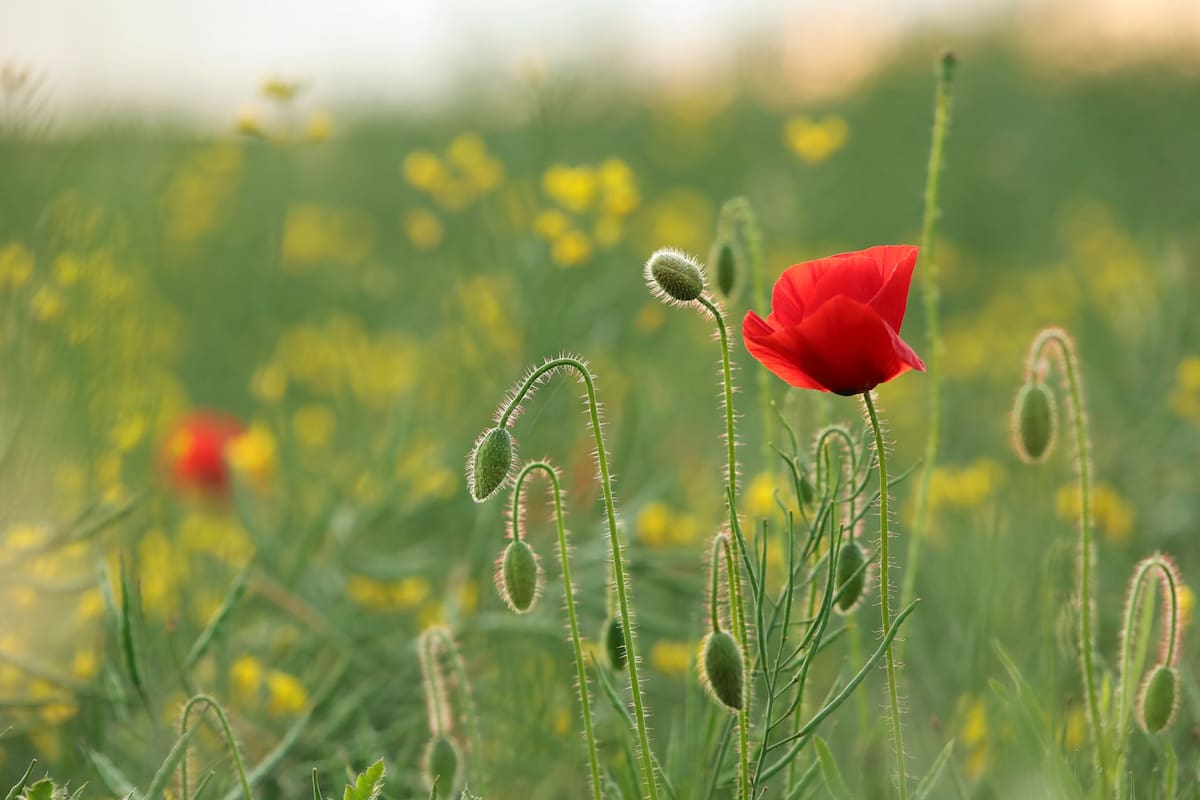
For days the oval poppy buds hung downward, a natural shape but one that felt like absolute protest against the cold climate. Then one morning, a single red poppy appeared.
Japanese has words for seasonal melancholy
The author knew nagori, literally the trace of waves, for longing as a season passes. But she needed a word for late spring. Japanese culture had exactly what she needed.
Osozaki celebrates flowers that wait
Osozaki names species with delayed flowering. Hanabie means the cold of flowers, that treacherous out of season frost that strikes when spring has already signalled its start.
Late blooms absorb more and survive better
While Western culture demands punctuality from calendars, Japanese poetry finds superior beauty in what takes time. The flower that waits absorbs more nutrients, survives late frosts, and opens with greater vital force.
“The flower that takes its time absorbs more nutrients, survives late frosts and, when it opens, does so with superior vital force.”
Osozaki applies to people too
Japanese use osozaki to describe people who reach their fullness or success late in life. The extra time for maturation produces results far deeper and more lasting than early achievement.
Character shows in blooming against odds
The author's single poppy stood alone in green, stoic and off schedule. It was a perfect osozaki, a silent triumph over harsh conditions, proof that true character is opening to the world against all odds.
“The greatest show of character is not blooming when conditions are ideal, but having the insolence to open to the world, against all odds, simply when one feels like it.”
What it means
Japanese culture celebrates osozaki, late-blooming flowers and people who flourish on their own schedule, finding strength in delay rather than frustration.