From LA NACION · Emiliano Tagle · · 3m
The cincha: from saddle strap to gaucho saying
A piece of rural equipment became woven into Argentine language, literature and folk wisdom, its name and uses preserved in sayings still spoken today.
In brief
A piece of rural equipment became woven into Argentine language, literature and folk wisdom, its name and uses preserved in sayings still spoken today. The cincha, a fundamental part of the gaucho saddle, left its mark on rural speech, popular expressions and Argentine gaucho literature that still carry meaning today…
What the cincha is
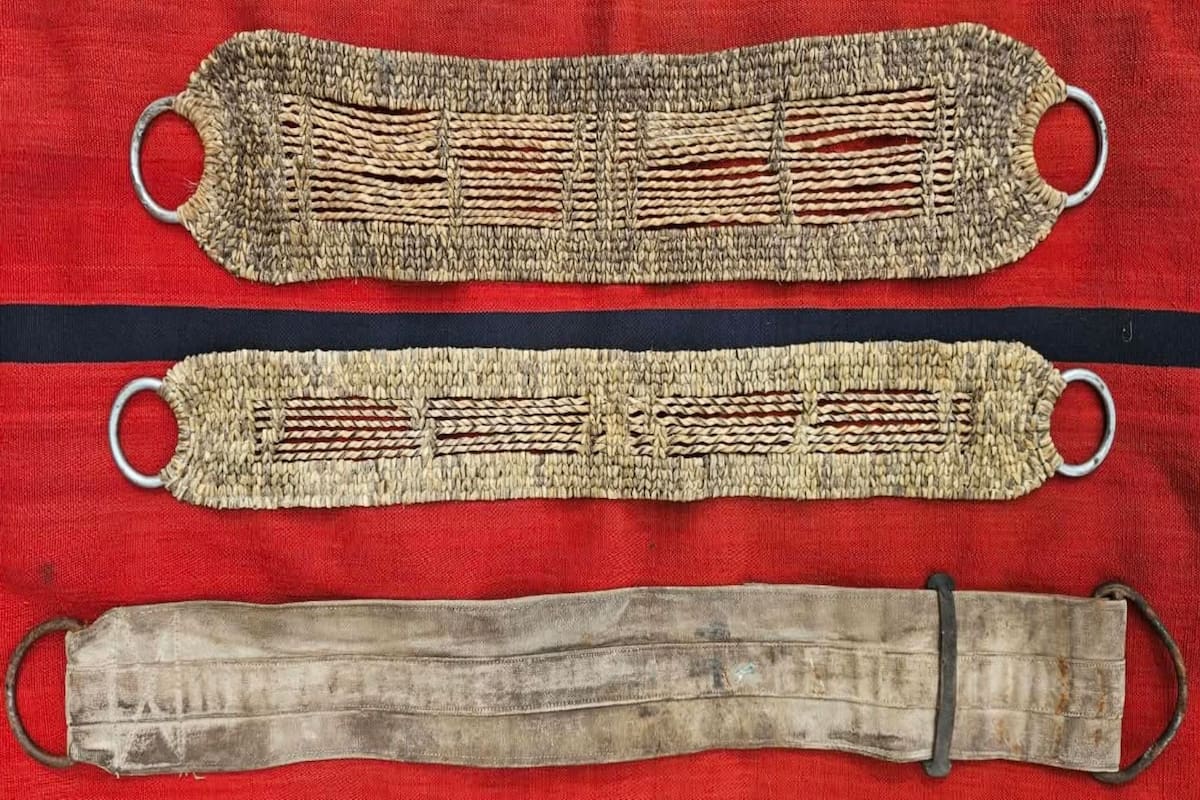
The cincha is a fundamental piece of the gaucho saddle that holds the bajeras, caronas and bastos in place. It was traditionally made from tientos, wool, thread, canvas, leather or sole.
The word's likely origin
Orestes Di Lullo, writing in the Boletín de la Academia Argentina de Letras in nineteen thirty-eight, suggested the word probably came from the Quechua sinchi, meaning hard or strong.
How it was described
Tomás Hutchinson described it as a piece made of very strong raw leather, composed of two pieces joined at one end, each with iron rings.
Dragging by cincha
Tirar a la cincha meant dragging something by horse using a guasca rope. During the colonial period, when carts were scarce, people dragged cow hides this way.
Ploughing with the cincha
Godofredo Daireaux explained that arar a la cincha meant ploughing with one mounted horse and another unmounted, with a man to manage the plough.
Rosas's warnings about the cincha
Juan Manuel de Rosas warned estancia managers to ensure animals did not sleep with bridles or tight cinchas, and to keep spare cinchas on hand for daily work.
“Debe haber siempre sogas de repuesto para cuando se hace un trabajo; especialmente cinchas, que no se pueden arreglar en el acto que se necesitan.”
A raja-cincha: at full speed
The expression a raja-cincha means at full speed, at full fury, with maximum velocity or intensity. Hilario Ascasubi used it in Santos Vega o los mellizos de la Flor.
Flojo de cincha: cowardly
A horse flojo de cincha rears when the cincha is tightened. The term also describes a person who shows cowardice or lack of firmness, a vice trainers worked to correct.
Echar la cincha a las verijas: sudden anger
This expression describes a normally calm person who suddenly becomes angry and unbearable. It compares to a horse that bucks when the cincha shifts to its flanks.
Poner una cincha: cheating at cards
In card games, poner una cincha means to cheat. José Hernández used this in Martín Fierro, describing tricks and resources players employed at the table.
“con una cincha bien puesta / se la pega uno al mejor”
Apretando la cincha: looking away
Apretando la cincha means to look the other way, to not see. Domingo F. Sarmiento illustrated it as a witness's excuse for not seeing a crime.
The cincha in gaucho literature
Godofredo Daireaux, Leopoldo Lugones, Ricardo Güiraldes and Álvaro Yunque all wove the cincha into their gaucho narratives, from accidents to escapes to warnings.
A practical tool becomes cultural legacy
The cincha moved from essential saddle equipment to a fixture of rural speech, folk wisdom and Argentine literature, its meanings still understood and used today.
The one thing
The cincha, a fundamental part of the gaucho saddle, left its mark on rural speech, popular expressions and Argentine gaucho literature that still carry meaning today.