From LA NACION · Victoria Menghini · · 4m
Visa bets on AI agents to handle your shopping
Visa says artificial intelligence will soon make purchases on our behalf, but only 20 to 25 percent of consumers trust the idea without the company's backing.
In brief
Visa says artificial intelligence will soon make purchases on our behalf, but only 20 to 25 percent of consumers trust the idea without the company's backing. Visa is preparing for a future where AI agents autonomously make purchases on behalf of consumers, addressing trust concerns through new security frameworks and…
Visa prepares for AI shopping agents
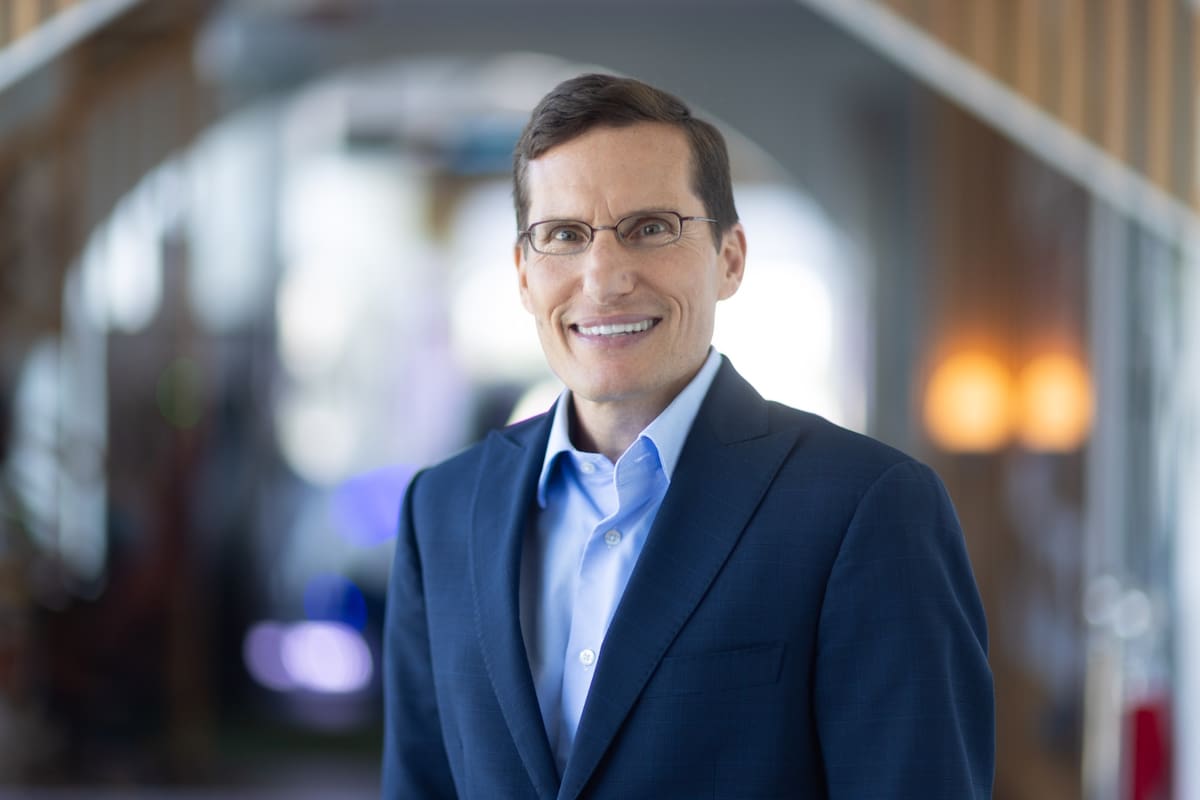
Visa is developing technology to let artificial intelligence agents make purchases on behalf of consumers. Andrew Torre, president of Visa's Value-Added Services, says this will become increasingly common in daily life.
Consumers show low trust in AI shopping
When asked if they trusted agentic commerce, only between twenty to twenty-five percent of consumers responded affirmatively. Trust jumped above sixty percent when Visa's involvement was mentioned.
Generative AI already shows purchase intent
Around fifty percent of queries to models like ChatGPT have some commercial intention, Torre said. In Argentina, generative AI adoption reaches approximately eighty-eight percent, higher than many other markets.
New platforms already enable AI shopping
Platforms like Muse and Instinct are advancing toward agentic commerce. Users are incorporating payment credentials, setting parameters, and letting agents make autonomous purchases with good results, according to James Mirfin, Senior Vice President and Global…
Visa built security framework for AI purchases
Visa developed architecture to protect both consumers and merchants in agentic commerce. If something goes wrong, the company can verify that a person authorized an agent to buy a specific product and no other.
Financial institutions must educate consumers
Torre said financial institutions have an important role in educating consumers about agentic payments. The entire ecosystem must commit to education because Visa's business is built on trust and user protection.
Visa faces nine billion cyberattacks daily
Visa registers more than nine thousand million cyberattack attempts daily. The company has invested thirteen thousand million dollars in technology and infrastructure to protect its network and clients over the last five years.
Fraud is shifting to psychological manipulation
Criminals are moving beyond transaction fraud toward manipulating consumers psychologically to trick them into payments. They convince people they are investing or in romantic relationships, Mirfin said.
Account takeover and deepfakes growing
Banks need protection against account takeover attempts where criminals try to breach user access. Deepfakes, voice cloning, and phone number spoofing are also increasing threats, with data showing growth quarter to quarter worldwide.
Argentina faces above-average fraud rates
In Latin America, the average fraud level is elevated compared to other world regions. Argentina and Brazil are among countries exceeding that average, according to Gabriela Renaudo, Group Country Manager for the Cono Sur.
Agentic and e-commerce will converge
Torre expects in-person shopping to continue, but agentic commerce and e-commerce will probably begin to converge as people incorporate these tools into their consumption habits. Trust and security will remain fundamental.
The one thing
Visa is preparing for a future where AI agents autonomously make purchases on behalf of consumers, addressing trust concerns through new security frameworks and technology investments.
Read the TL;DR — this story on one card.