From MadeForMums · · 4m
Sex in your 40s gets better, not worse
Research shows women often experience more confidence, pleasure and freedom in midlife sexuality than they did in their youth.
In brief
Research shows women often experience more confidence, pleasure and freedom in midlife sexuality than they did in their youth. Midlife sex isn't decline, it's recalibration. Many women report their most confident, pleasurable sex happens in their 40s and 50s, driven by reduced anxiety and better communication rather…
The cultural myth about aging women
Popular culture suggests female desirability has an expiry date. But characters like Samantha Jones and Nicole Kidman's Babygirl heroine show a different reality: mature women claiming sexual authority without apology.
What research actually reveals
Over the past decade, studies into midlife women's sexual health have grown more sophisticated. The findings resist simple narratives: hormones fluctuate and desire may dip, but communication improves, anxiety recedes, and pleasure can deepen.
How hormones shift in your 40s

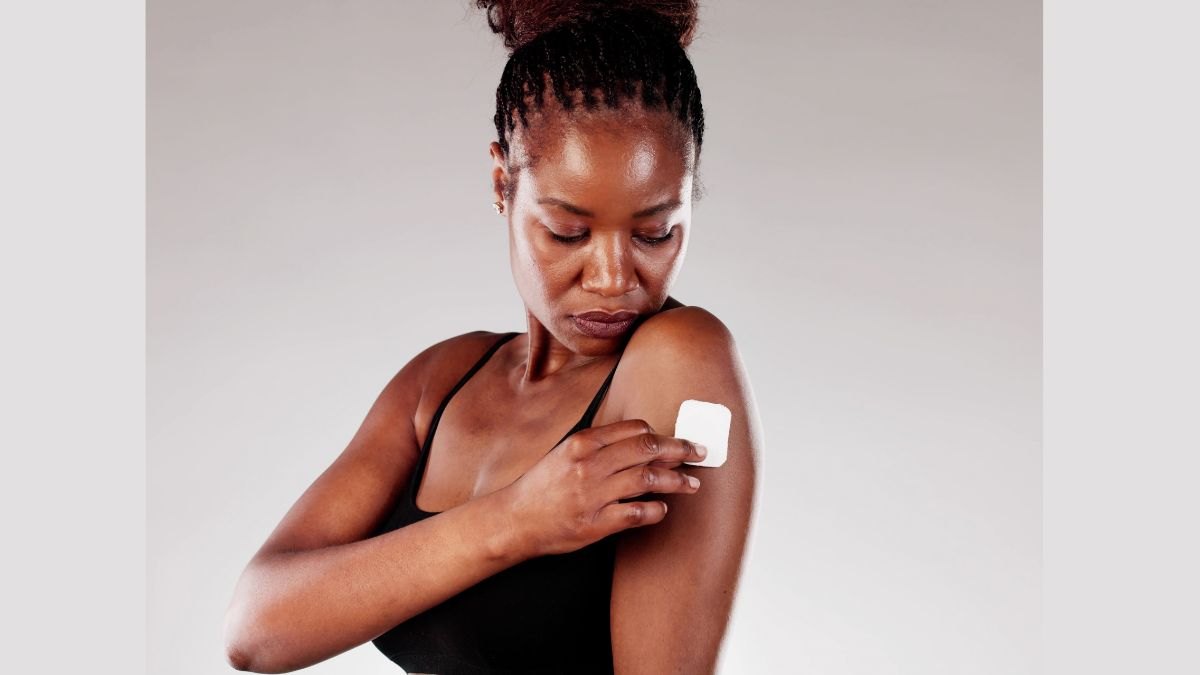
Perimenopause can begin in a woman's early 40s and last for years. Oestrogen, progesterone and testosterone all decline, affecting vaginal tissue, lubrication and blood flow to the clitoris.
The sexual difficulties that emerge
A 2025 review of 21 international studies found low sexual desire, impaired arousal and pain during intercourse were commonly reported during menopause. Yet the same research reveals a paradox: for every account of loss, there is another of liberation.
Freedom from performance anxiety
Women in their 40s often report caring far less about how they look during sex. One woman said: "I'm not monitoring my stomach or thinking about lighting. I'm actually in it."
“I care less about how I look during sex than I ever have. I'm not monitoring my stomach or thinking about lighting. I'm actually in it.”
Body satisfaction increases with age

Younger women tend to evaluate themselves through an imagined external gaze. Older women shift towards functional appreciation: this body has endured childbirth, illness and grief. It is less ornament, more instrument.
Shedding inhibition as you age
Research participants describe menopause as unexpectedly freeing. One said: "I've lived all my life for everybody else. So that part of it is really good." Freedom from pregnancy anxiety and bodily surveillance both play a role.
“I've lived all my life for everybody else, right? So that part of it is really good.”
Frequency drops, satisfaction rises
People in their 20s have sex more often than those in midlife. But frequency and satisfaction are not the same. Women in their mid-30s and beyond often report more reliable and intense orgasms than younger counterparts.
Experience builds better communication
Sex therapist Tracey Cox observes that what many describe as their best sex correlates strongly with confidence rather than novelty. Familiarity, paradoxically, can be erotic.
When desire suddenly disappears
Some women experience a sharp drop in sexual desire during perimenopause and mistake it for relationship trouble. A 2025 Australian study of 5,468 women found early perimenopause was associated with a two-fold increase in desire dysfunction.
“I just didn't want sex. At all. I thought I'd fallen out of love.”
Spontaneous versus responsive desire
Many women report that while they may not initiate sex, they enjoy it once engaged. The distinction between spontaneous desire and responsive desire becomes particularly relevant in midlife, yet cultural scripts rarely accommodate this nuance.
The healthcare taboo around sex
A 2025 review described a two-way taboo in healthcare: women hesitate to raise sexual concerns and clinicians fail to ask. Nearly half of women report feeling uninformed about menopause before experiencing it.
Sex without autonomy is performative
Not all midlife sex is consensually joyful. Research highlights accounts where sex was framed as duty rather than desire. Gender norms, emotional labour and economic dependence shape sexual experiences as much as hormones do.
“Without autonomy, sex is performative.”
Communication is the decisive variable
In supportive relationships, adaptation often occurs. When partners discuss challenges like vaginal dryness, intimacy can improve. Presence rather than performance appears to be the quiet engine of midlife intimacy.
“You don't have to be perfect, you just have to be present.”
Desire shifts from being chosen to choosing
What changes in midlife is not merely lubrication or libido, but perspective. Many women describe a shift from seeking validation to seeking connection. The frantic energy of youth gives way to something slower, more deliberate and often more honest.
The main idea
Midlife sex isn't decline, it's recalibration. Many women report their most confident, pleasurable sex happens in their 40s and 50s, driven by reduced anxiety and better communication rather than hormonal peaks.