From Malay Mail · · 2m
Bank of Japan set to hike rates to 1.25% on inflation fears
Central bank expected to raise rates Friday as surging energy costs and weak yen drive up prices across Japan.
In brief
Central bank expected to raise rates Friday as surging energy costs and weak yen drive up prices across Japan. The Bank of Japan is likely raising rates to 1.25% to combat inflation from high energy prices and support the weakening yen. Originally reported by Malay Mail.
BoJ poised for rate hike
The Bank of Japan is expected to raise interest rates by 0.25 percentage points to 1.25% on Friday. This would be the highest level in over three decades.
Energy prices fuel inflation
Surging oil prices from the Middle East crisis are driving up inflation. The conflict shows little sign of ending, keeping upward pressure on prices.
Weak yen raises import costs
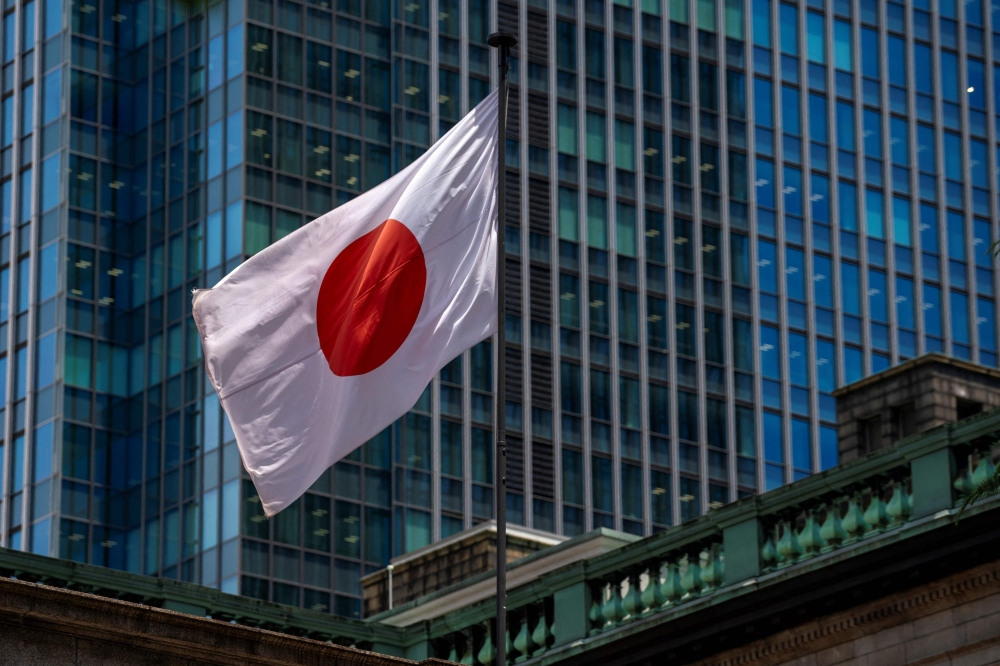
The cheap yen is making imported goods more expensive for Japanese consumers. Inflation accelerated in July toward the BoJ's two percent target.
Markets already expect the move
BoJ members have signaled the rate increase themselves. Former currency chief Takehiko Nakao says a hike to 1.25% has already been priced in.
“In the face of advancing inflation, interest rates must be raised in a timely manner to contain it.”
More hikes likely ahead
Analysts expect inflation excluding fresh food and energy to rise toward 2.5% by early next year. Rates could hit two percent by mid-2027.
Yen hit 40-year low

The yen fell to its weakest level against the dollar in 40 years in July. This prompted a historic joint intervention by the US and Japan.
US pressure on Japan
Treasury Secretary Bessent expressed strong support for Japan's steps to address the yen's undervaluation. Markets believe the US demands faster rate hikes in exchange for intervention.
“The economic and political cost of disappointing markets and the US has become too big for the BoJ and government to ignore.”
Slow normalization blamed for weakness
After years of ultra-low rates until 2024, the BoJ's slow move toward normal interest rates is a major factor behind the weak yen. The last hike was in June.
Fiscal policy worries investors

Prime Minister Sanae Takaichi's stimulus plans with higher public spending are concerning markets. Japan's 10-year bond yields climbed above three percent, the highest since 1996.
Sales tax cut adds pressure
Japan approved a drastic reduction in the sales tax on food starting in April. This adds to market concerns about the government's fiscal approach.
Here's the gist
The Bank of Japan is likely raising rates to 1.25% to combat inflation from high energy prices and support the weakening yen.





