From Malay Mail · · 1m 30s
Chef tours Africa to preserve culinary heritage
Chef Kwame-Olisa Asié documents African fisherwomen’s razor clam traditions in Gabon.
In brief
Chef Kwame-Olisa Asié documents African fisherwomen’s razor clam traditions in Gabon. Chef Kwame-Olisa Asié visits Gabon to preserve Indigenous African culinary knowledge before it is lost. Originally reported by Malay Mail.
Chef documents fisherwomen’s traditions
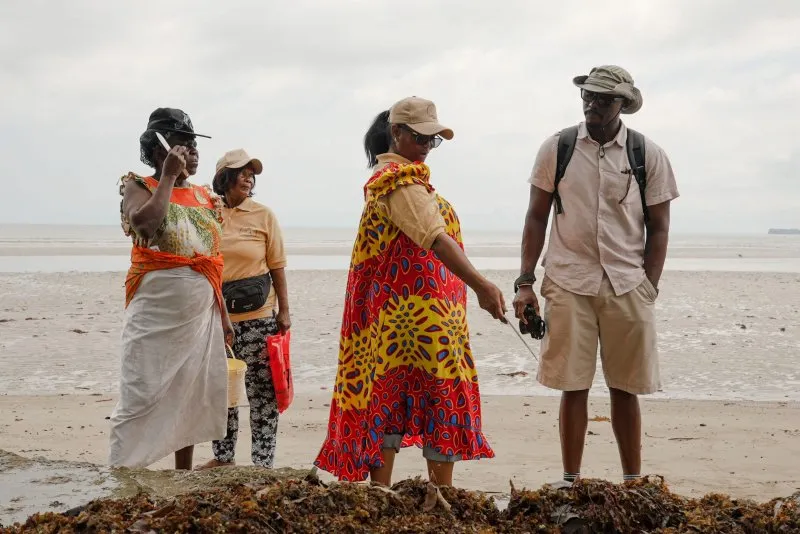
Nigerian-Ghanaian chef Kwame-Olisa Asié visits Gabon’s coast to document local fisherwomen’s razor clam and seafood traditions for his African food heritage project.
“Food is identity for us as Africans, food creates memory, food is the way we express our tradition”
Razor clams harvested on Cap Estérias beach
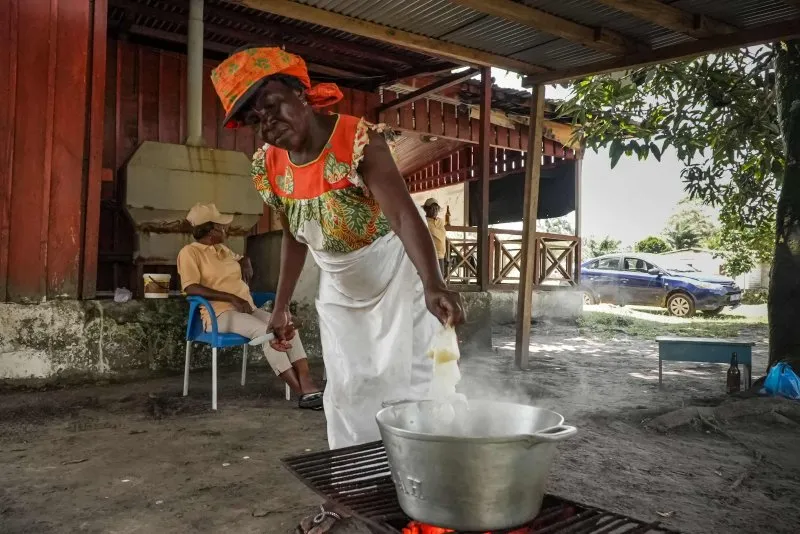
Women from the Lambi La Mboka cooperative search and harvest razor clams on Cap Estérias beach on October 15, 2026.
Food as cultural identity
Chef Kwame-Olisa Asié says African food is identity and memory, warning that Indigenous culinary knowledge is being lost because it is passed on informally.
One big kitchen concept
Chef Kwame-Olisa Asié tours all 54 African countries to preserve and share local recipes, techniques and food customs, saying Africa is 'one big kitchen'.
“I feel like Africa is one big kitchen”
Culinary heritage at risk
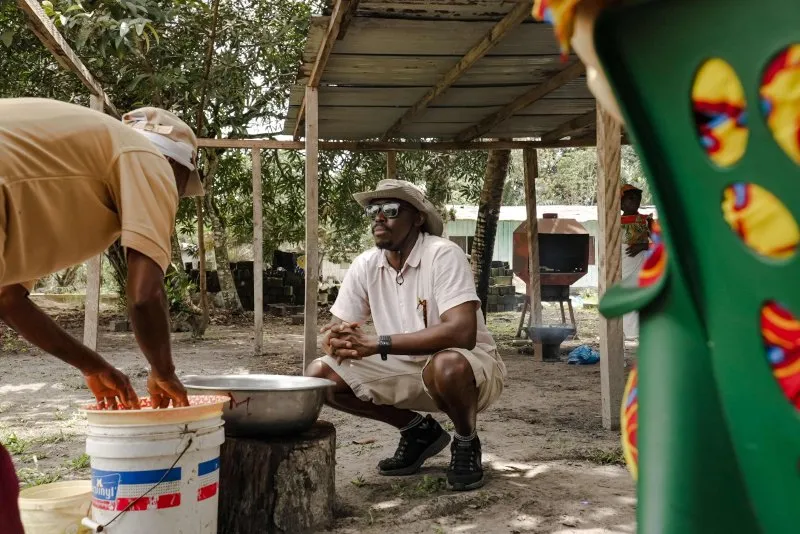
Most African food techniques are not documented and stay within Indigenous communities, risking loss to future generations.
Ceremonial food significance
African food has ceremonial, medicinal or religious significance, such as healing postpartum women or preparing offerings for gods.
Three-year mission
Chef Kwame-Olisa Asié aims to complete his tour of all 54 African countries in three years to preserve Indigenous culinary knowledge.
The main idea
Chef Kwame-Olisa Asié visits Gabon to preserve Indigenous African culinary knowledge before it is lost.
Read the TL;DR — this story on one card.