From Malay Mail · Ben Tan · · 1m 50s
Experts warn high-risk groups vulnerable to haze
Health experts say children, seniors and pregnant women face heightened haze risks despite no single group being most vulnerable.
In brief
Health experts say children, seniors and pregnant women face heightened haze risks despite no single group being most vulnerable. High-risk groups like children, seniors and pregnant women are more vulnerable to haze effects than the general population, with health risks including respiratory issues and cardiovascular…
Haze health risks
Health experts say high-risk groups like children, seniors and pregnant women face heightened haze risks despite no single group being most vulnerable.
Who is most vulnerable
Children below five years, older adults over sixty, and pregnant women with medical conditions face higher haze risks due to developing lungs, age-related health issues, and pregnancy complications.
Haze health impacts
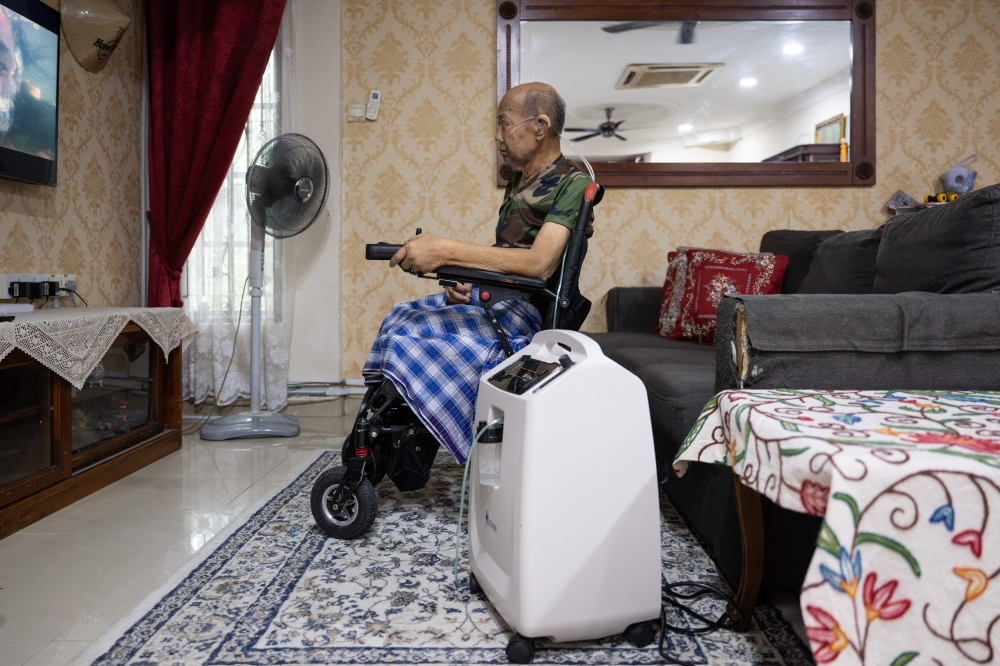
Haze exposure can worsen asthma, respiratory conditions, and cardiovascular health, increasing risks of hospitalization, heart attacks, and strokes for vulnerable groups.
PM2.5 risks
Fine particulate matter PM2.5 can penetrate deep into lungs and bloodstream, worsening respiratory and cardiovascular conditions for high-risk groups.
Children's risks
Children below two years face higher haze risks due to underdeveloped lungs, which can aggravate asthma and trigger worsening respiratory symptoms.
Pregnant women risks
Pregnant women with medical conditions face increased risks of preterm birth and low birth weight due to haze exposure during pregnancy.
Health precautions
Wearing N95 masks, staying indoors, and monitoring air quality are recommended to reduce haze exposure for vulnerable groups.
Expert recommendations
Health experts advise taking extra precautions for children, seniors, pregnant women, and those with respiratory or heart conditions during haze episodes.
Haze exposure timing
Brief haze episodes do not necessarily cause pregnancy complications, but prolonged exposure increases health risks for vulnerable groups.
Haze health monitoring
Diagnosis of haze-related illnesses requires symptoms, exposure history, medical conditions, and clinical findings, with no single test confirming causation.
Here's the gist
High-risk groups like children, seniors and pregnant women are more vulnerable to haze effects than the general population, with health risks including respiratory issues and cardiovascular problems.