From Malay Mail · · 1m 20s
Millions of species, missing data
Scientists struggle to catalog Earth's biodiversity due to data gaps and poorly understood species.
In brief
Scientists struggle to catalog Earth's biodiversity due to data gaps and poorly understood species. Scientists face significant data gaps in cataloging Earth's biodiversity, with 86% of terrestrial species and 91% of marine creatures yet to be formally described. Originally reported by Malay Mail.
Rediscovered insect mystery
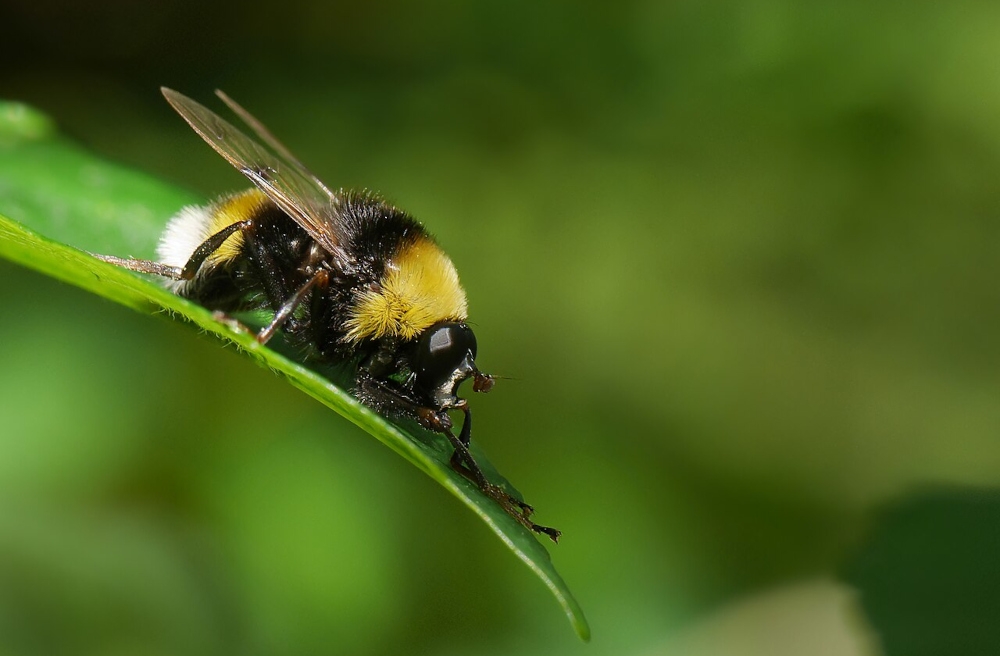
A bumblebee-mimic hoverfly last seen in France 150 years ago was spotted again in 2025.
“We are beyond heartbroken”
Biodiversity data gaps
Scientists estimate 86% of terrestrial species and 91% of marine creatures remain formally undescribed.
Extinction risk assessment
Only about eight percent of known species have extinction risk assessments completed by 2025.
Field research challenges
Researchers check insect traps weekly to identify species using DNA, but data gaps persist.
Genetic identification limits
A single trap can contain up to 261 DNA types, but these may not represent 261 distinct species.
Reference database needs
Scientists require rich reference databases to effectively identify species and track biodiversity.
Citizen science limitations
Public involvement in species monitoring can introduce biases and overlook remote areas.
Data inconsistency issues
Different monitoring methods lead to conflicting conclusions about species decline.
Biodiversity crisis uncertainty
Without reliable data, scientists cannot determine if biodiversity is declining or what actions to take.
The main idea
Scientists face significant data gaps in cataloging Earth's biodiversity, with 86% of terrestrial species and 91% of marine creatures yet to be formally described.