From Malay Mail · · 1m 20s
What it really takes to send an emergency alert to millions of Malaysians
Malaysia's emergency alert system reaches millions without internet, but public trust is key.
In brief
Malaysia's emergency alert system reaches millions without internet, but public trust is key. Malaysia's MySiren system broadcasts emergency alerts to millions via mobile networks without internet, but success depends on reliable delivery and public awareness. Originally reported by Malay Mail.
The emergency alert system
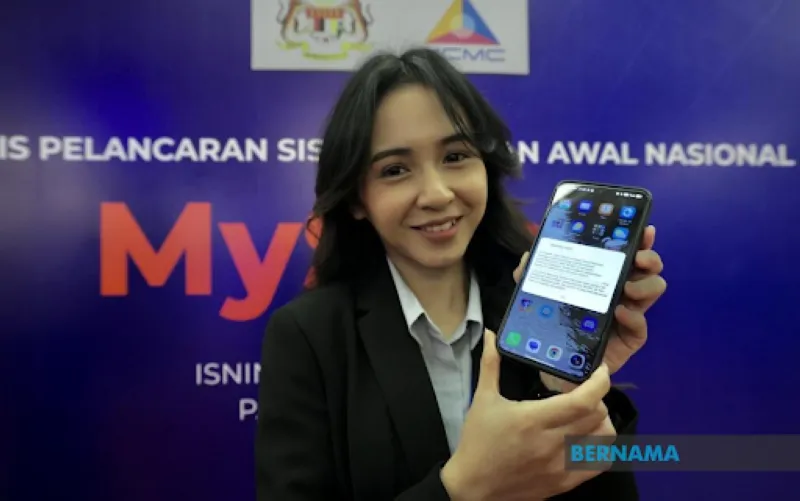
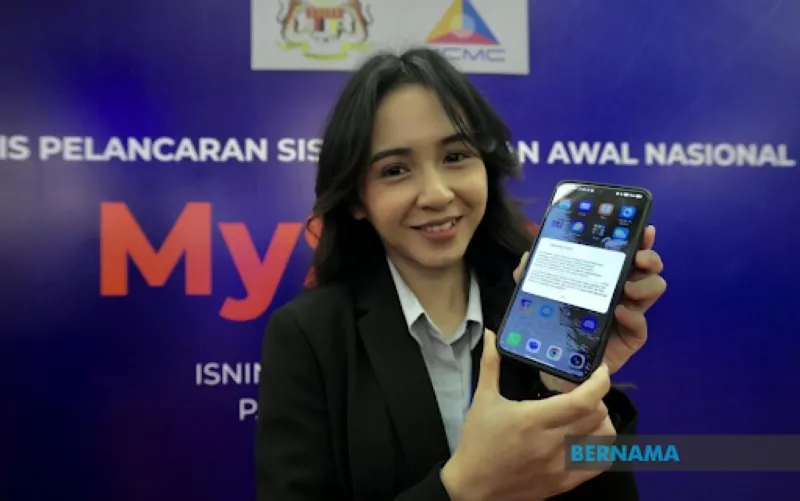
Malaysia's Early Warning System (EWS) known as MySiren sends emergency alerts to millions without internet or mobile data.
How MySiren works
MySiren uses Cell Broadcast System CBS to broadcast warnings through mobile network cells without identifying individual recipients.
Technical challenges
Flood zones and mobile network coverage don't always align, causing people outside affected areas to receive alerts.
Coordination needed
Malaysia's telecoms landscape requires coordination between regulators, disaster agencies, technical teams, and device manufacturers.
Public readiness matters
Keeping devices updated and emergency alert settings enabled is crucial for effective warning delivery.
Social media paradox
Social media spreads fake warnings faster than genuine MySiren alerts, risking public panic.
System readiness
MySiren is expected to be operational by end of 2026 after necessary testing and readiness assessments.
The essence
Malaysia's MySiren system broadcasts emergency alerts to millions via mobile networks without internet, but success depends on reliable delivery and public awareness.
Read the TL;DR — this story on one card.