From Malay Mail · · 1m 10s
WHO finds inequality shapes risk, diagnosis and treatment of major diseases
WHO study shows inequality worsens health outcomes for major diseases globally.
In brief
WHO study shows inequality worsens health outcomes for major diseases globally. WHO reports non-communicable diseases cause 75% of global deaths with varying impacts across different demographics and socio-economic groups. Originally reported by Malay Mail.
WHO study reveals health inequality
World Health Organization reports non-communicable diseases cause 75% of global deaths with varying impacts across different demographics and socio-economic groups.
Socio-economic factors impact health
Lower-educated individuals and rural inhabitants face greater health challenges due to socio-economic status influencing disease risk and management.
WHO recommends tax and policy changes
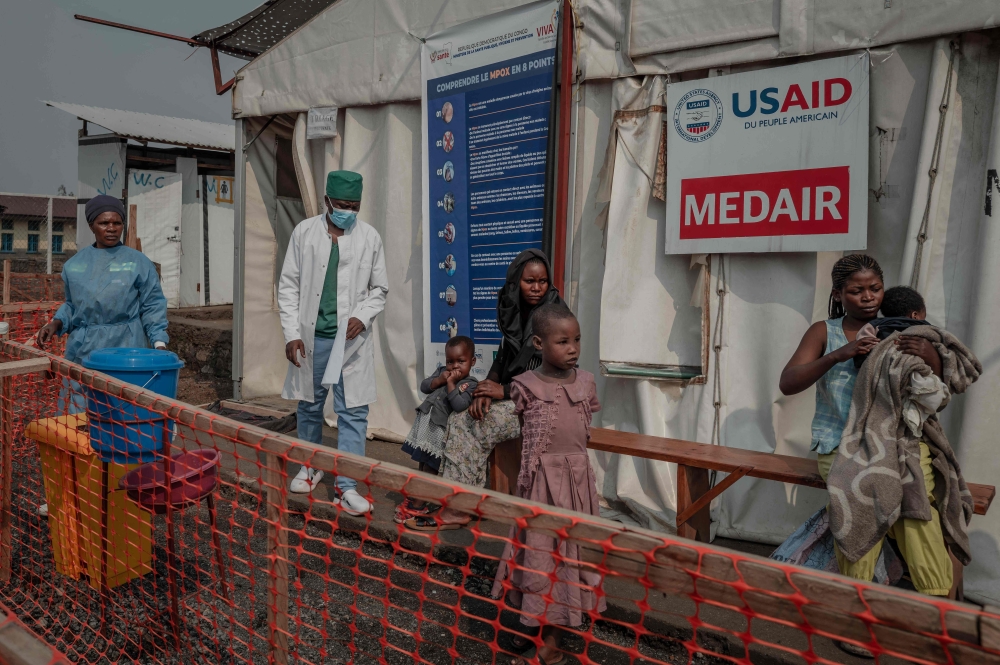
WHO urges raising taxes on tobacco, alcohol, and sugary drinks while adapting health policies to address health inequalities.
Geographical disparities in care
People in rural areas have significantly less access to hypertension diagnosis and cancer screening services.
Gender and age differences
Men with hypertension are diagnosed and treated less frequently than women despite higher tobacco and alcohol consumption.
Social factors increase disease risk
Social marginalisation, disability, and migrant status significantly contribute to increased disease risk and health challenges.
The essence
WHO reports non-communicable diseases cause 75% of global deaths with varying impacts across different demographics and socio-economic groups.


