From Malay Mail · · 4m
Why the haze keeps coming back
Southeast Asia's recurring haze isn't just an enforcement problem, it's a broken system of incentives that nobody wants to fix first.
In brief
Southeast Asia's recurring haze isn't just an enforcement problem, it's a broken system of incentives that nobody wants to fix first. The haze persists because every player waits for others to pay the cost of prevention first. Change the rules, not the players. Originally reported by Malay Mail.
The haze emergency returns
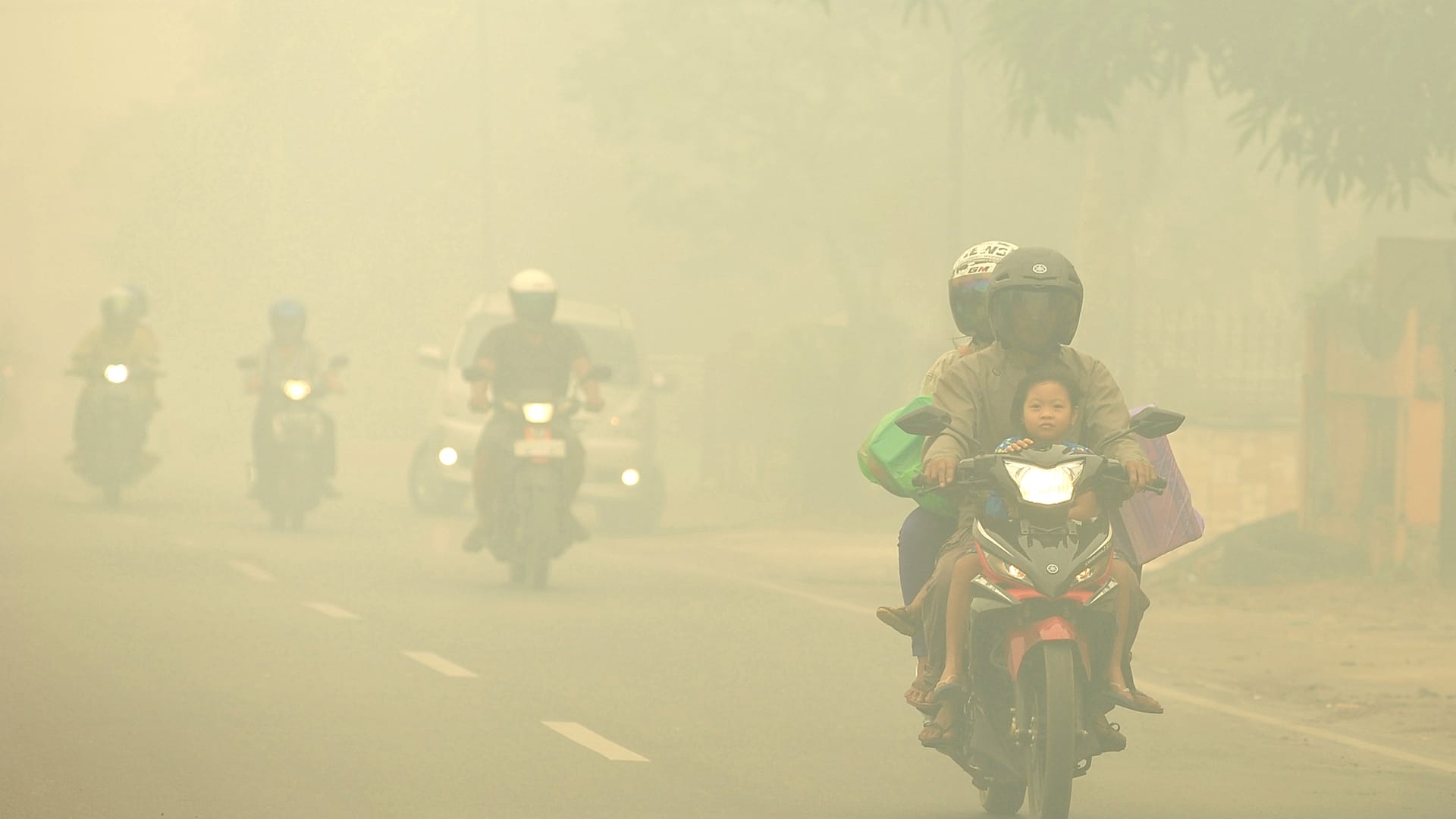
Serian in Sarawak hit an API reading of 518 this month, triggering an emergency declaration. Once again, fires burning elsewhere became Malaysia's problem.
Agreements exist but fail
Asean has an agreement, ministers meet, satellites monitor fires, and Indonesia deploys resources. Yet once fires are controlled, the problem just waits to return.
The wrong question
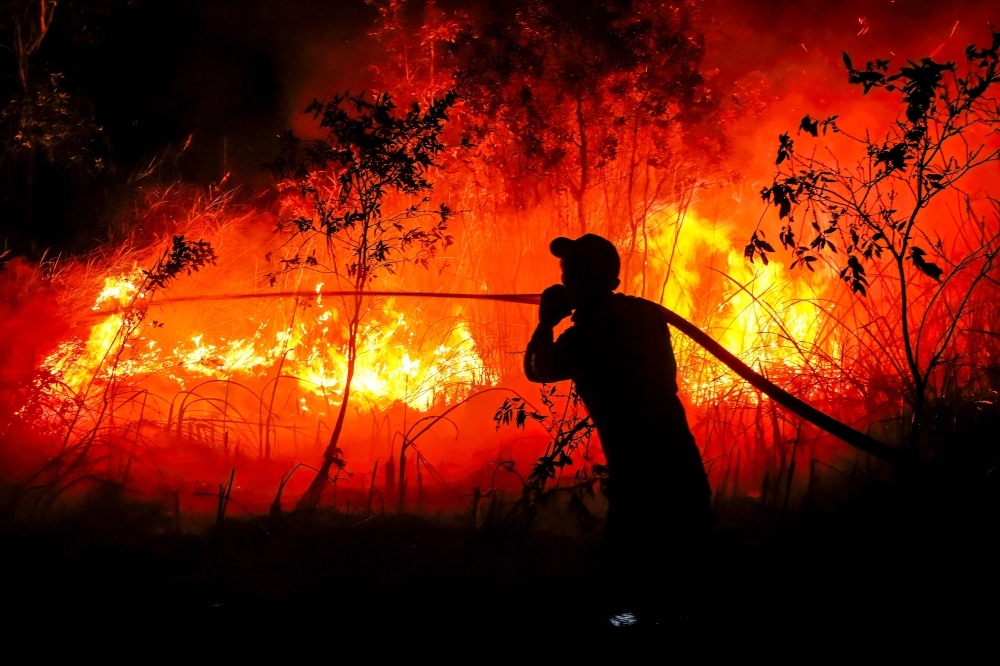
Instead of asking who started the fire, we should ask: if almost everyone loses from the haze, why does no one want to move first?
“if almost everyone loses from the haze, why does no one want to move first?”
Not just enforcement
Anwar says Malaysia won't shield companies involved in fires and Asean mechanisms need strengthening. But the haze is a problem of incentives, not just enforcement.
Companies calculate costs
Fire prevention costs money today, while environmental damage appears later and may be borne by people hundreds of kilometres away. The current system rewards the cheaper, riskier option.
Corporate responsibility is wider

A hotspot in a concession doesn't prove who lit it. But companies must answer: How was land managed? Were contractors controlled? Was enough invested in prevention?
Smallholders face different constraints
A farmer thinking about family survival can't just be told not to burn. Where does machinery come from? Who pays? Can the farmer afford the alternative?
Reduce transition costs
The answer isn't rewarding people for not breaking the law. It's reducing the cost of legal transition through shared machinery, financing and technical support.
Local governments caught between

Indonesia's local authorities want investment and jobs, not fires. A strict policy from Jakarta looks clear nationally, but locals must enforce it and face the economic consequences.
Sovereignty limits solutions
Jakarta must suppress fires while managing domestic industries and local interests. Malaysia can't simply cross the border and enforce Indonesian law.
Victims pay twice
Malaysia and Singapore don't control the fire source but pay through health costs, school disruptions, tourism losses and lower productivity. Then we spend more helping contain fires.
Help is loss reduction

If helping Indonesia contain fires costs Malaysia less than allowing haze to worsen, assistance isn't charity. It's strategic. We help because refusing costs more.
Asean's coordination limit
Asean has a framework for monitoring and cooperation, but coordination isn't accountability. Smoke crosses borders easily, enforcement power doesn't.
“coordination is not the same thing as accountability”
A stable bad outcome
Everyone dislikes the haze, but whoever moves first pays first. Each actor makes a rational decision from their position, yet together they produce an outcome everyone hates.
Change the rules

Game theory explains the problem but can't be an excuse for inaction. If the same rules produce the same bad outcome, stop asking players to become better people.
Singapore's approach matters
Singapore's Transboundary Haze Pollution Act shows that pollution may cross borders, but responsibility doesn't have to stop there. Malaysia should examine what it can control.
Capital crosses borders
If Malaysian companies operate on high-risk land overseas or banks finance such activities, should they face stronger disclosure requirements and due diligence at home?
Borneo needs special focus

Sabah and Sarawak border Kalimantan. Politically there's a border, but ecologically Borneo is one connected space. Cooperation shouldn't wait until smoke has already crossed.
Redesign the game
Make prevention cheaper than damage. Make poor management more expensive than compliance. Make legal transition realistic. Make cross-border capital carry cross-border responsibility.
“The solution is to change the rules and incentives that shape the game.”
What matters most
The haze persists because every player waits for others to pay the cost of prevention first. Change the rules, not the players.