From MoneyWeek · · 3m
Bank of England faces pressure to hike rates as inflation climbs
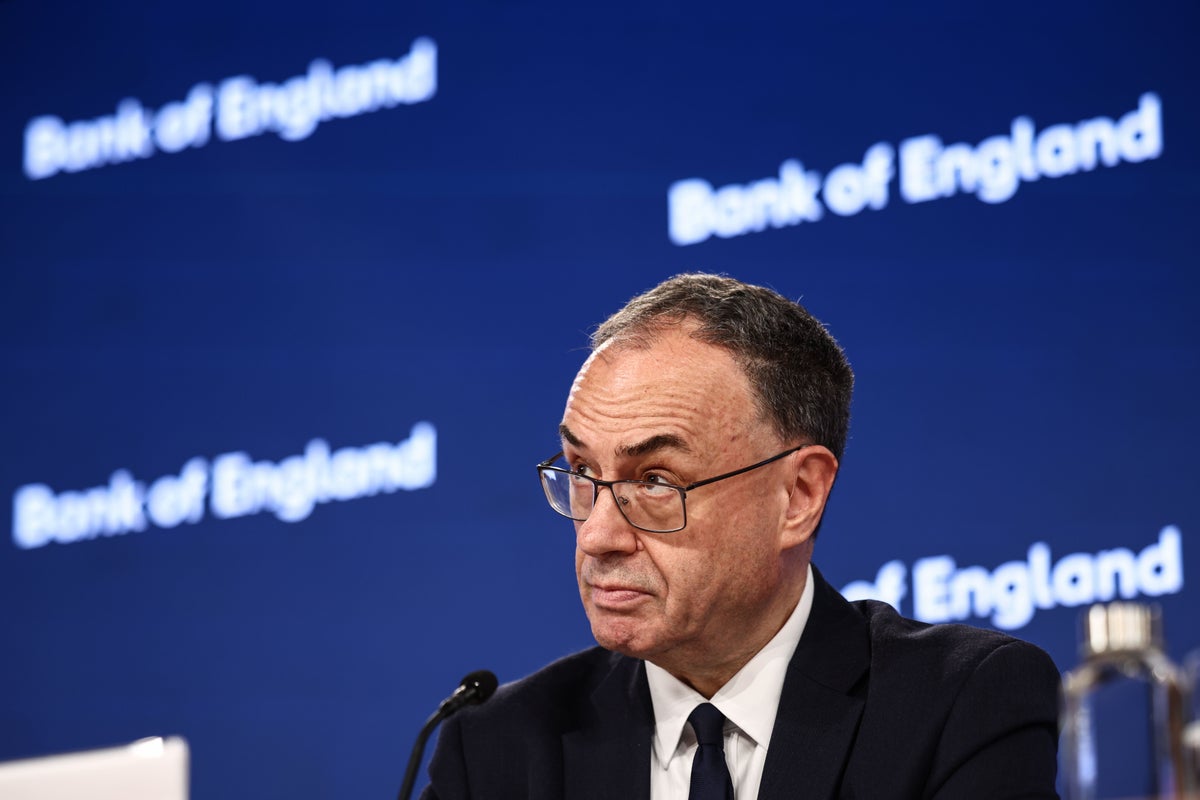
The MPC is expected to hold rates at 3.75%, but rising inflation and the Iran war are testing the Bank's wait-and-see approach.
In brief
The MPC is expected to hold rates at 3.75%, but rising inflation and the Iran war are testing the Bank's wait-and-see approach. Despite expectations for a hold, three MPC members want to raise rates now to prevent falling behind the curve on inflation. Originally reported by MoneyWeek.
MPC decision looms tomorrow
The Bank of England's Monetary Policy Committee will announce its latest interest rates decision on 17 September at noon. Most experts expect rates to stay at 3.75%.
Inflation jumped to 3.1%
UK prices rose 3.1% in the year to August, up from 2.9% in July. This is well above the Bank's 2% target and puts pressure on the MPC to act.
Fuel drove prices higher
Sharp rises in fuel prices were the main driver of August's inflation increase. Higher airfares, housing costs, and recreation also contributed to the jump.
Three members want a hike
At July's meeting, three of nine MPC members voted to raise rates by 0.25 percentage points. They were Huw Pill, Megan Greene, and Catherine L Mann.
The wait-and-see risk
Chief economist Huw Pill warned the Bank's current approach could mean it falls behind the curve if inflation proves worse than predicted.
“fall 'behind the curve' in addressing emerging inflationary risks”
Better to be too high
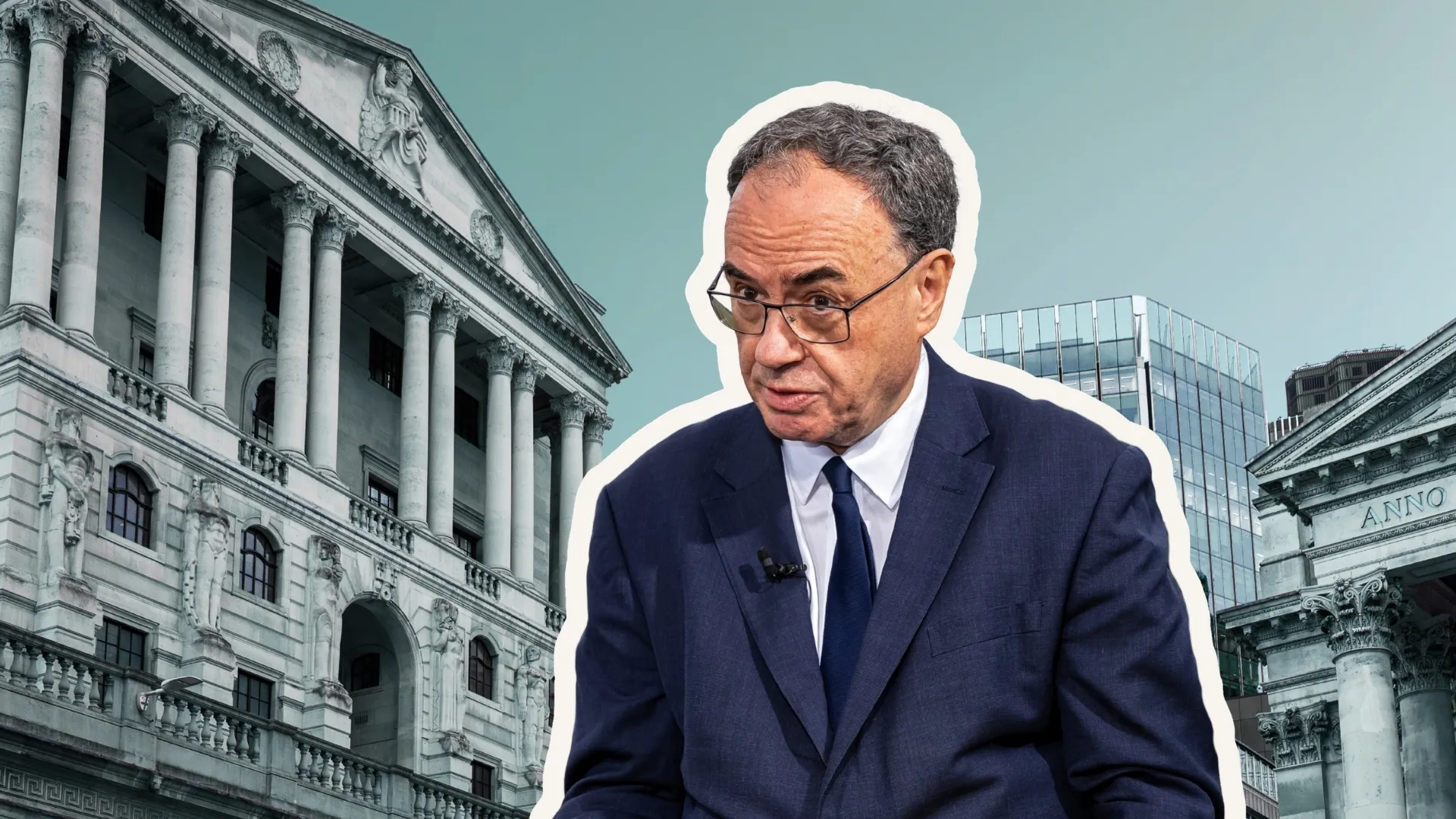
Catherine Mann believes it's better for rates to be slightly too high and then correct than be too low. She's likely to vote for a hike again.
“it's better for Bank Rate to be slightly too high and then correct than be too low”
Oxford Economics predicts 6-3 split
The advisory firm expects the same three members to vote for a hike tomorrow, with the majority holding at 3.75%. The vote split would mirror July's meeting.
What the MPC watches
The committee uses inflation data, labour market metrics, and economic growth to inform decisions. Their mandate is to keep inflation at 2%.
Labour market holding steady

Unemployment stayed at 4.9% for the fourth month in a row through July. Regular wage growth hit a near six-year low at 3.5%.
Public sector wages outpace private
Public sector earnings grew 6.3% in the three months to July, while private sector wages rose just 2.9%. This split matters for inflation pressure.
How the base rate works
The bank rate is what the BoE pays to institutions holding money with it and charges on loans to them. This affects mortgage rates and savings accounts across the UK.
Rates frozen since Iran war

Interest rates have been held at 3.75% since the Iran war began on 28 February. Before that, the MPC cut rates six times between August 2024 and December 2025.
From pandemic lows to highs
Rates fell to 0.1% during Covid, then climbed to 5.25% by August 2023 to fight inflation. The recent cuts brought them down to 3.75% by end of 2025.
Patience may be running thin
Deutsche Bank's Sanjay Raja says the case for holding rates is weakening. Higher energy prices, resilient growth, and wage risks all point toward potential action.
“we think the MPC's patience may be running thin. And the case for staying on hold is weakening slowly”
The essence
Despite expectations for a hold, three MPC members want to raise rates now to prevent falling behind the curve on inflation.