From MoneyWeek · · 4m
Why wealth taxes are political theater
Economists reject wealth taxes as costly failures, but politicians push them anyway to look tough on the rich.
In brief
Economists reject wealth taxes as costly failures, but politicians push them anyway to look tough on the rich. Wealth taxes sound good in soundbites but don't work in practice. They're expensive to administer, raise little money, and drive talent abroad. Originally reported by MoneyWeek.
Gary Stevenson's brief fame

Former City trader Gary Stevenson became a socialist advocate for wealth taxes, even making a Channel 4 documentary about himself. His arguments were dismantled by actual experts, leading him to quit social media citing burnout.
The fiscal hole problem
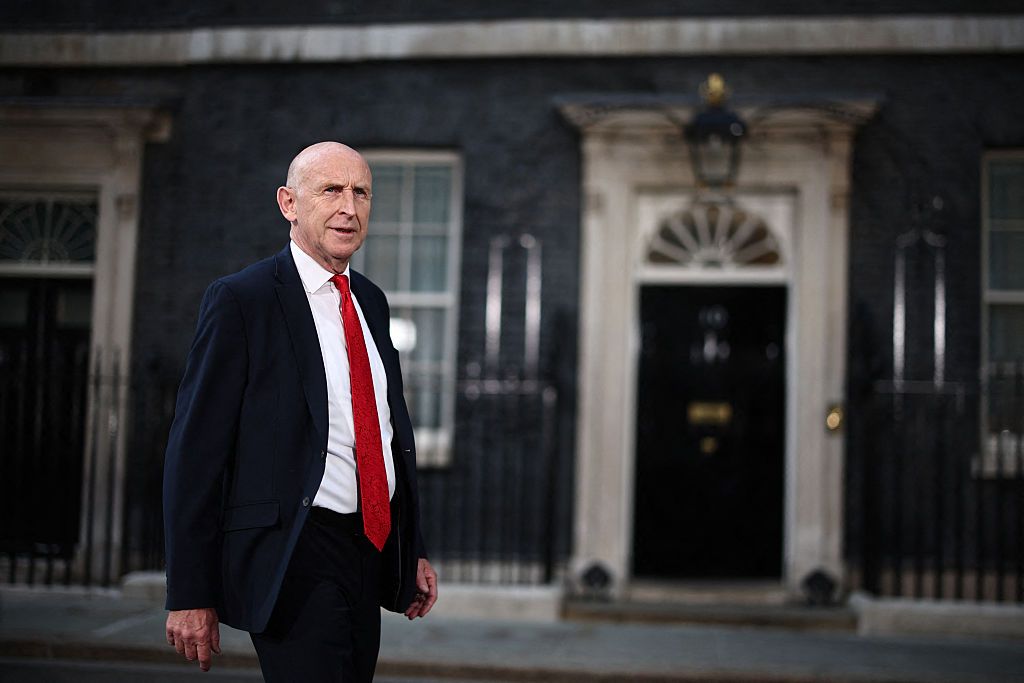
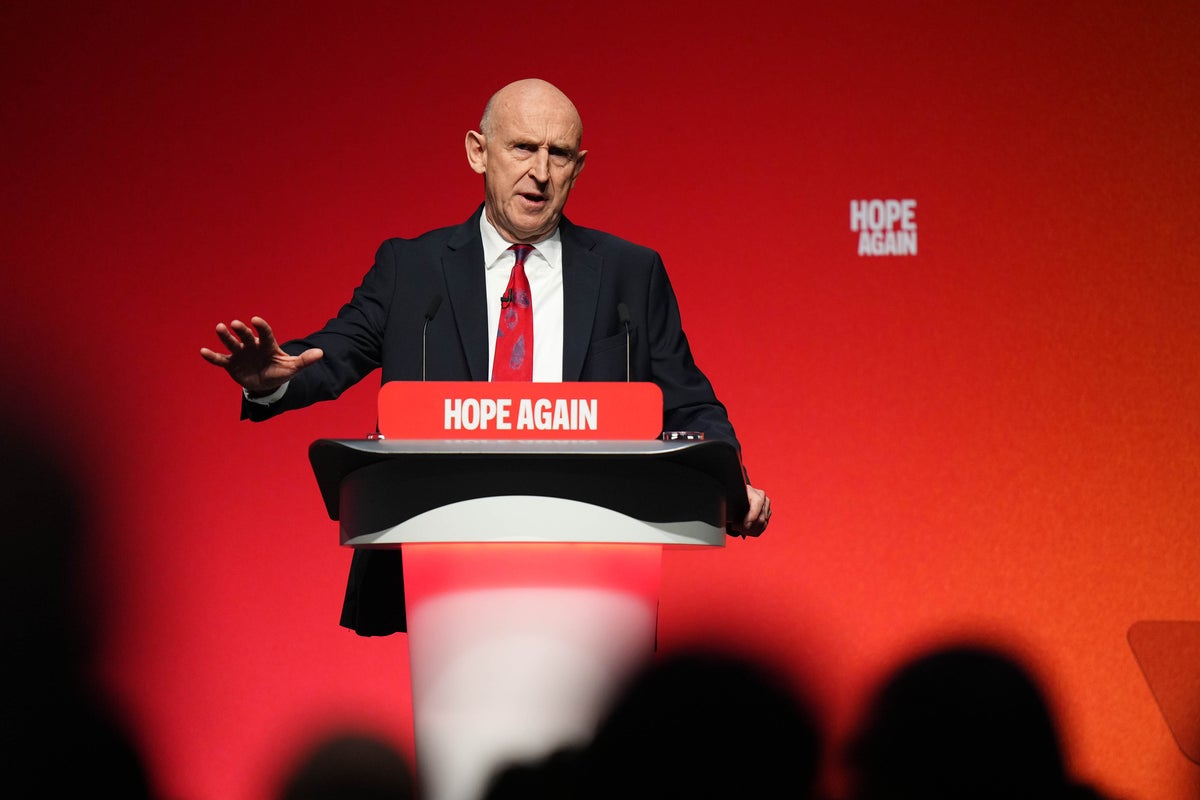
Chancellor John Healey faces a massive budget shortfall from weak growth and war spending. He's ruled out raising main taxes, so attention is turning to wealth taxes as an easy political solution.
Why modern taxes work differently
Tax systems evolved to rely on recurring flows of income, profits and spending. These generate four-fifths of OECD tax revenue. Wealth taxes try to tax stocks of assets instead, which is far harder to execute.
The behavioral response problem
Even at just 1% tax rate, the Wealth Tax Commission estimated behavioral responses could shrink the tax base by 7 to 17%. People who are asset rich but cash poor end up forced to borrow or sell assets just to pay the tax.
Wealth isn't sitting in bank accounts
Rich people's money is invested in shares that fluctuate daily, property with unknown values, and businesses whose price is unknown until sale. Calculating actual wealth requires expensive, bureaucratic valuations open to endless challenge.
The OECD graveyard
In 1990, twelve OECD countries had wealth taxes. Today only three remain. Norway and Switzerland use them as substitutes for other taxes. Spain's is so full of holes it raises almost nothing.
Why politicians still push them
Wealth taxes are perfect slopulism: easy to explain in soundbites but rejected by experts. The message "billionaires are bad, take their money" beats complex tax policy that takes five minutes to explain.
“Billionaires are bad, so let's take away their money!”
You can already tax wealth income
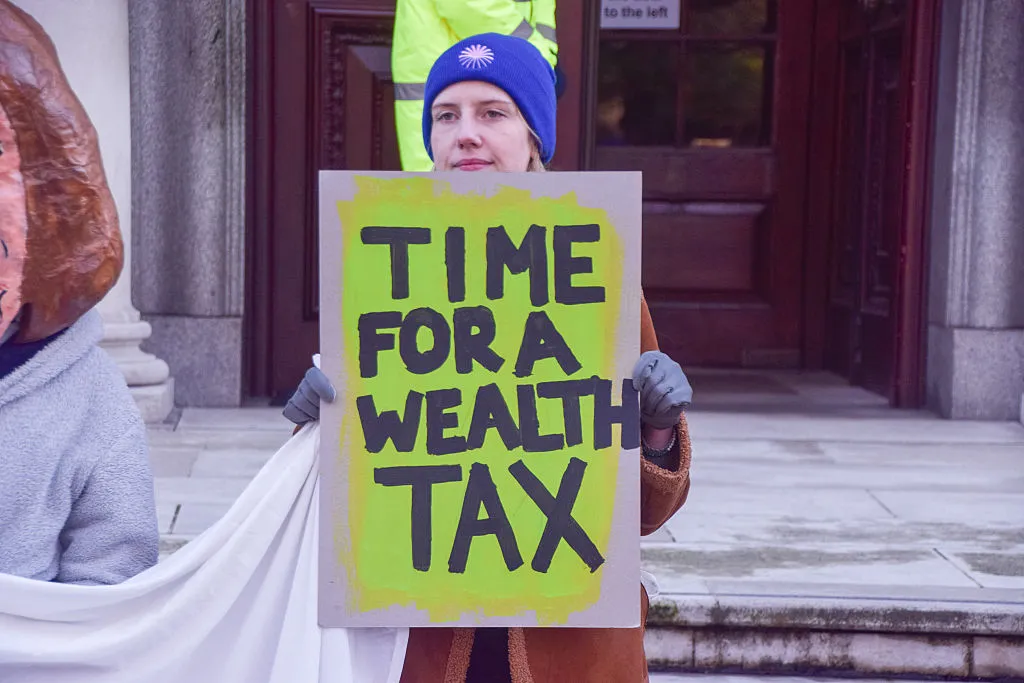
Capital gains, dividends and interest payments are already taxable as income. There's nothing a wealth tax accomplishes that can't be done by taxing the flow of returns from assets, not the stock itself.
Anger isn't tax policy

Wealth taxes appeal to people angry at billionaires like Elon Musk and Peter Thiel. But the desire to punish enemies is not a sound basis for designing tax policy that actually works.
“The desire to punish one's enemies is not a sound basis for tax policy.”
The stealth wealth tax approach
Politicians who don't believe in wealth taxes but want to look tough are instead raising capital gains taxes, cutting allowances, hiking landlord rates, and introducing mansion taxes. These mimic wealth taxes without being one.
The mansion tax intrusion
The government plans to send tax inspectors to value homes over 2 million pounds. Inspectors will have powers to demand entry into people's homes. This is the inevitable bureaucratic cost of taxing wealth that hasn't been sold.
Public support collapses with facts

Polls show 61% support wealth taxes. But when told such taxes could drive rich people abroad and reduce public services, support drops to 37%. Voters understand the tradeoff when given the information.
The top earners fund everything
The top 10% of earners contribute 60% of all income tax revenue. If enough net contributors leave Britain to escape higher taxes, the bill lands on everyone else through higher taxes or worse services.
The millionaire exodus has started
Britain now has 442,000 sterling millionaires, down 7% since 2024 and the lowest number since the financial crisis. The tax burden is already at post-war highs, described as uncharted territory by the Office for Budget Responsibility.
The 60% marginal tax trap
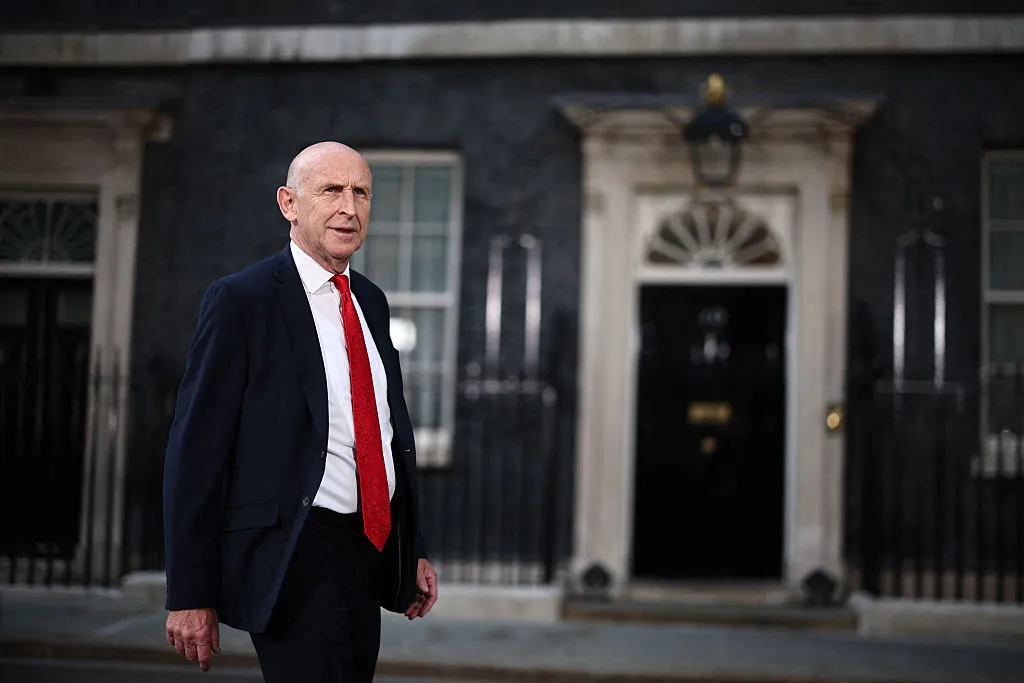
Earning between 100,000 and 125,140 pounds can leave you facing an effective marginal income tax rate of 60%. Yet 81% of the public agree people should keep more of what they earn and pass it to children.
A settled moral position ignored
The public has reached consensus that people should keep more earnings and pass wealth to children. Yet no major political party currently builds its tax policy around this widely held belief.
“That is about as close as Britain comes to a settled moral position on tax, and no major party currently builds its policy around it.”
Stop reviving failed ideas
Policymakers should stop wasting resources on wealth taxes and other failed ideas used mainly for political signaling. Instead focus on fostering growth and expanding opportunity from the bottom up.
“Stop wasting public resources reviving failed ideas, especially ones that are more about political signalling than devising meaningful solutions.”
What matters most
Wealth taxes sound good in soundbites but don't work in practice. They're expensive to administer, raise little money, and drive talent abroad.