From Mother Jones · Michael Mechanic · · 4m
The biological war scenario that keeps experts awake
Author Annie Jacobsen explores why engineered pathogens pose a greater extinction threat than nuclear weapons.
In brief
Author Annie Jacobsen explores why engineered pathogens pose a greater extinction threat than nuclear weapons. Biological weapons are more dangerous than nuclear ones because the barrier to entry is far lower: while nuclear weapons require state resources, pathogens can be accessed and modified by almost anyone with…
AI chatbots face bioweapon queries

Anthropic reported five cases where foreign scientists tried to bypass Claude's safeguards on gain-of-function research, the practice of enhancing pathogens to make them more infectious or deadly.
The dual-use dilemma
Genetic engineering knowledge can help develop vaccines and drugs, but the same information enables weaponization. This tension defines the gain-of-function debate.
Meet Annie Jacobsen
The bestselling author of Nuclear War: A Scenario just released Biological War: A Scenario, drawing on decades of national security reporting and access to military and government officials.
Biological weapons rank second

A Pentagon document lists biological weapons as nearly as destructive as nuclear weapons, but far more likely to be used because the threshold for entry is extremely low.
Nuclear weapons need states
Creating a nuclear weapon requires weapons-grade fissile material, ICBMs, bombers, and submarines. Only nation states can realistically build them.
“You've got to be a state!”
Pathogens are everywhere
While nine nuclear-armed states control nuclear arsenals, most of the world has access to potential pandemic agents, making biological weapons far more accessible.
Accidents more likely than attacks
Intelligence agencies actively disrupt bioweapons programs, but 3,600 biosafety labs worldwide conduct gain-of-function research. Accidental release is statistically far more probable than deliberate deployment.
“Think about all the people, scientists, nation states, academic institutions, that are manipulating pathogens for greater virulence.”
Lab accidents have happened
A researcher can stick themselves with a syringe and go into denial, heading home infected. Soviet scientist Nikolai Ustinov infected himself with Marburg virus and died in isolation.
Post-9/11 research acceleration
After the 2001 anthrax attacks, the riskiest gain-of-function research accelerated, including experiments making flu airborne and creating mousepox variants that evade immunity.
Scientists defend publication
Some researchers argue that publishing deadly pathogen sequences is necessary, comparing it to not stopping knife or airplane production because they can be weaponized.
Jacobsen chose plague for her scenario
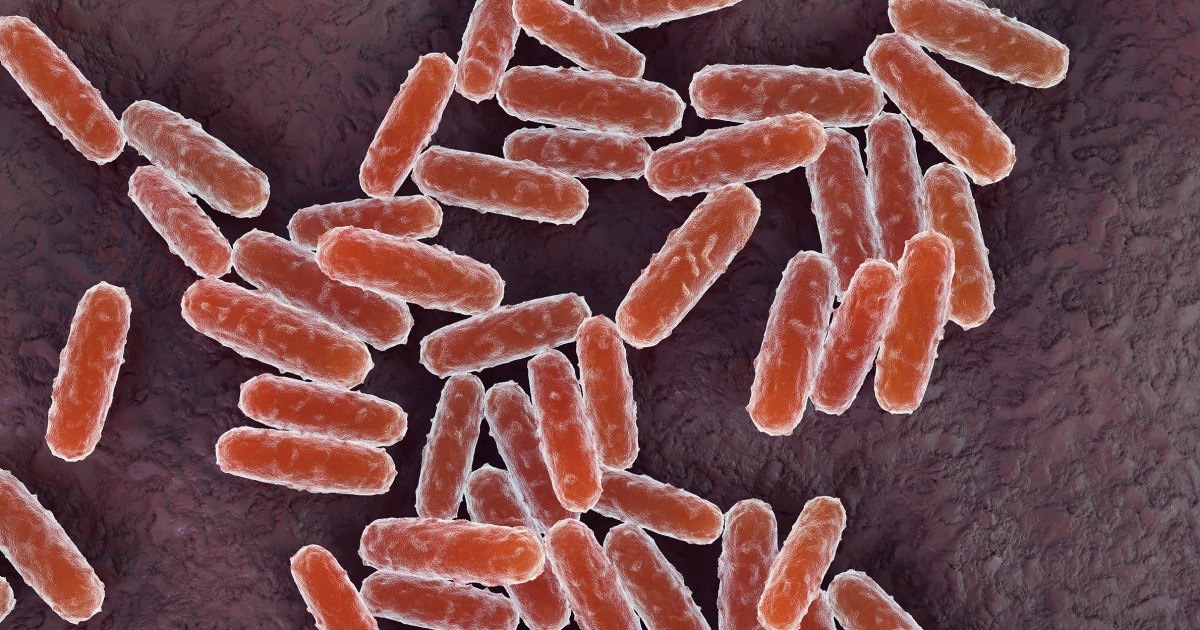
She selected a weaponized Yersinia pestis strain because plague represents the dual nature of science: antibiotics once cured it, but genetic engineering could render them useless.
“I chose plague because it seems to be this dark metaphor for the two different uses of science and technology, one for good and one for bad.”
Pneumonic plague kills everyone
Airborne plague has a 100 percent fatality rate, matching only rabies. Only two diseases on Earth are that lethal.
The Soviet super-plague program
Thirty to forty years ago, the Soviet Union built a genetically engineered plague weapon designed to kill all people while leaving infrastructure intact, according to defector scientists.
Russia likely still has programs
The State Department says the illegal Soviet-era bioweapons program was absorbed into Russia's current program, which is deeply disturbing given the sophistication of the original work.
No real defense exists
A retired Air Force colonel who ran Pentagon war games told Jacobsen there is no real defense against large-scale biological attack, only mitigation to reduce extinction.
“There is no real defense against a large-scale biological attack, only things you can do to mitigate extermination.”
Devolution plan activates
If catastrophic biological attack causes anarchy, the president can declare the Insurrection Act and trigger Devolution, moving predetermined government officials to classified bunkers to reconstitute government.
AI-enabled bio threats exploding
Jacobsen didn't include AI in her book but notes in acknowledgments the terrifying concept of mirror life, where AI could help extinguish all humans. The Fort Detrick lab director said she spoke the quiet part out loud.
Purpose is pressure, not panic
Jacobsen writes that her books aim to create pressure for change, not panic. Readers report feeling less terrified after understanding real threats versus hypothetical existential fears.
At a glance
Biological weapons are more dangerous than nuclear ones because the barrier to entry is far lower: while nuclear weapons require state resources, pathogens can be accessed and modified by almost anyone with lab access.