From NBC News · Kelly O'Donnell · · 2m
Secret Service studies workplace violence to find warning signs
The Secret Service's National Threat Assessment Center analyzed 50 cases of workplace violence over a decade to identify patterns and help prevent future attacks.
In brief
The Secret Service's National Threat Assessment Center analyzed 50 cases of workplace violence over a decade to identify patterns and help prevent future attacks. The Secret Service released a study of 50 workplace violence cases over ten years, finding that grievances are the primary motive and that most attackers…
Secret Service shifts focus to workplace violence
The Secret Service's National Threat Assessment Center released a study analyzing fifty cases of workplace violence over the past decade to identify common patterns and warning signs.
The toll of workplace attacks
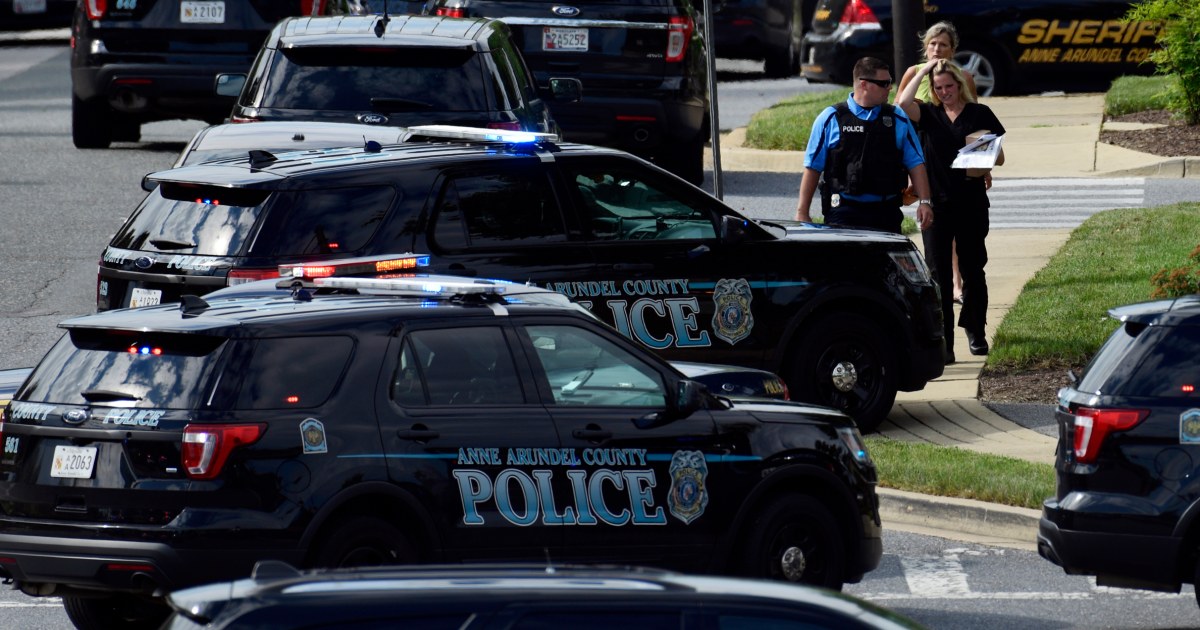
The fifty cases studied resulted in one hundred nineteen deaths and one hundred twenty eight injuries, including the Capital Gazette shooting in Annapolis, Maryland in two thousand eighteen.
Why the Secret Service got involved
The threat assessment center examined mass attacks and found most targeted locations were businesses. Lina Alathari, who leads the center, said the initiative aims to understand workplace attackers' thinking and behavior.
“To look at how can we prevent targeted workplace violence. What is the thinking, behavior and circumstances of workplace attackers?”
Grievances drive workplace attacks
Alathari said grievances are always the number one motive that might trigger someone to carry out an attack. Attackers do not belong to any specific demographic group but share similar patterns.
“Grievances are always the No. 1 motive that might sort of trigger someone to carry out an attack.”
Retail and service businesses most at risk
Retail and service businesses are the most frequently attacked because the public often has easy access, followed by manufacturing and healthcare facilities.
Personal connections to targets
The connection between a targeted business and perpetrator is typically direct and personal. Sixteen of the attackers were actively employed at the sites they targeted.
Domestic violence as a warning sign
More than forty percent of suspects in workplace violence cases had histories of domestic violence, though they were not always charged with crimes related to that violence.
How attacks unfold and end
Most attackers used firearms, but others used knives, explosives or vehicles.Nearly twenty five percent involved more than one weapon.In more than seventy five percent of cases, attackers stopped on their own and were arrested.
Recognizing warning signs before attack
The study advises looking for changes in behavior, depression, increased absenteeism, discussion of weapons, violent thoughts or threats against coworkers. One case involved a fired employee whose badge access remained active.
Intervention and prevention going forward
Last year the Secret Service led four hundred training sessions on preventing mass violence for roughly fifty thousand participants nationwide. Alathari said there are always opportunities for intervention.
“There are always opportunities for intervention, and what I can tell you is that the cost of inaction can be deadly.”
At a glance
The Secret Service released a study of 50 workplace violence cases over ten years, finding that grievances are the primary motive and that most attackers show warning signs beforehand.