From NPR · · 4m
A doctor's honest take on AI scribes in medicine
They save time and let doctors focus on patients, but they make mistakes and raise real privacy concerns.
In brief
They save time and let doctors focus on patients, but they make mistakes and raise real privacy concerns. AI scribes are spreading through medicine to write clinical notes, but doctors must catch errors and patients should know their options. Originally reported by NPR.
Quick answers
- What are AI scribes?
- AI scribes are software tools that record doctor-patient conversations and automatically generate clinical notes for medical records. They are spreading through medicine from gynecology to emergency rooms.
- Who is liable for errors?
- Dr. Gordon is ultimately responsible for the content of AI-generated notes. Most AI scribe software requires doctors to sign user agreements stating they are liable for everything in the medical record, even if a scribe…
- Could recordings be used for research?
- Most AI scribe companies delete recordings within a set period to protect privacy and shield doctors from malpractice lawsuits. Some researchers call the recordings "digital gold" for studying physician-patient communication and assessing note quality.
- Can patients opt out?
- Most patients agree when Dr. Gordon asks about using AI scribes, but some decline. If a patient refuses, she takes notes on the computer as she did before AI scribes became available.
- Will AI replace doctors?
- Dr. Kim thinks AI might change how patients experience primary care, possibly for the better if it lets doctors focus on patients. But she believes human intelligence remains critical in medicine.
What are AI scribes?
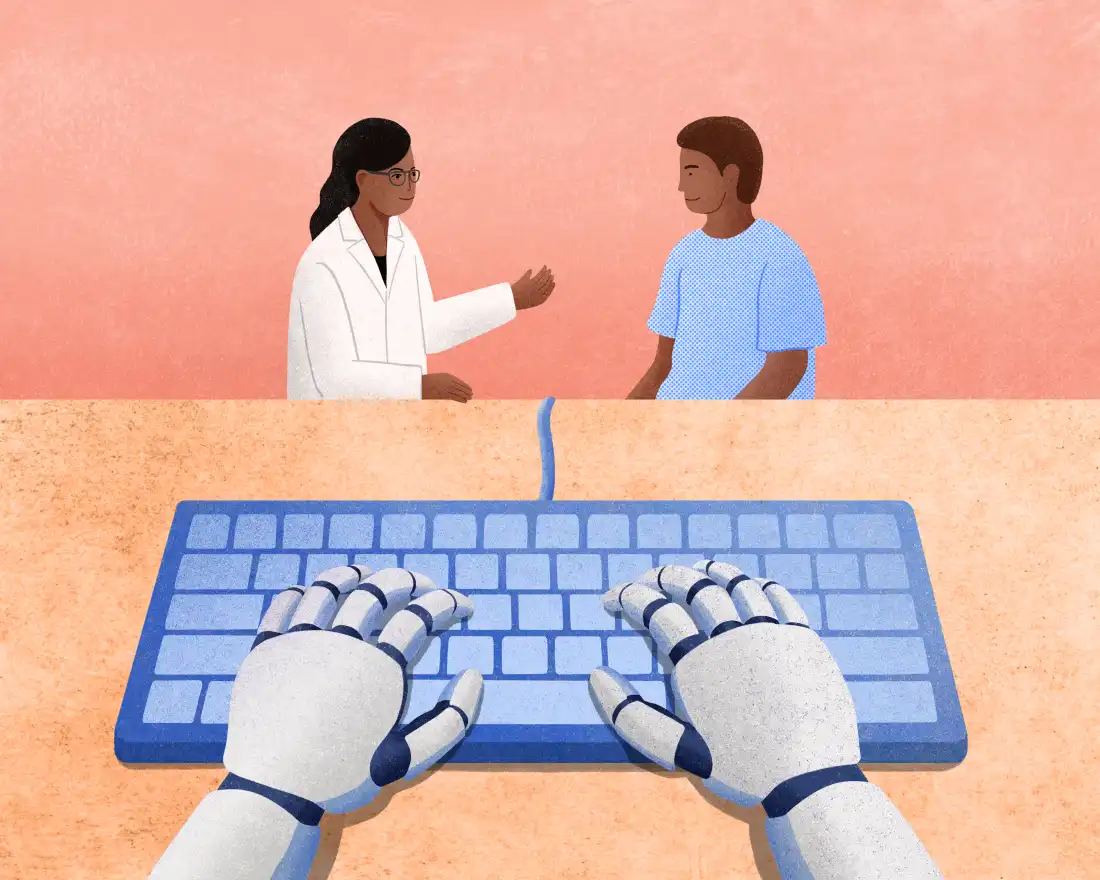
AI scribes are software tools that record doctor-patient conversations and automatically generate clinical notes for medical records. They are spreading through medicine from gynecology to emergency rooms.
Why doctors like them
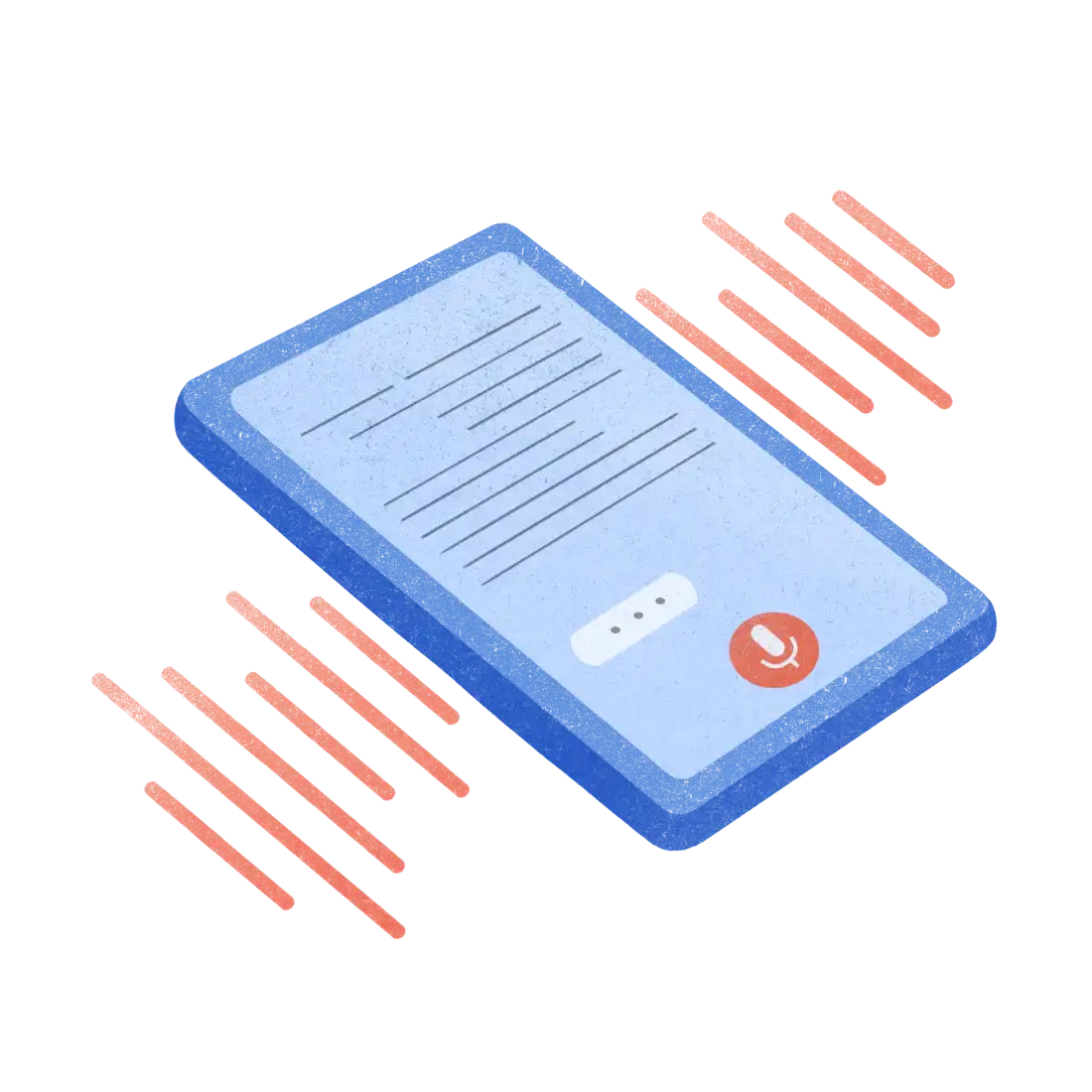
Dr. Mara Gordon, a family physician in Camden, New Jersey, uses an AI scribe app on her smartphone. It saves her time and lets her focus on patients instead of staring at a computer screen.
How the technology works
The app records the conversation using automatic speech recognition, which distinguishes between doctor and patient voices. After the visit, a large language model converts the transcript into a formatted medical note.
Different products available
AI scribes range from apps doctors download on personal smartphones to software embedded in electronic medical records. Most use smartphone recording, though some use desktop computers or separate recording devices.
Privacy protections in place
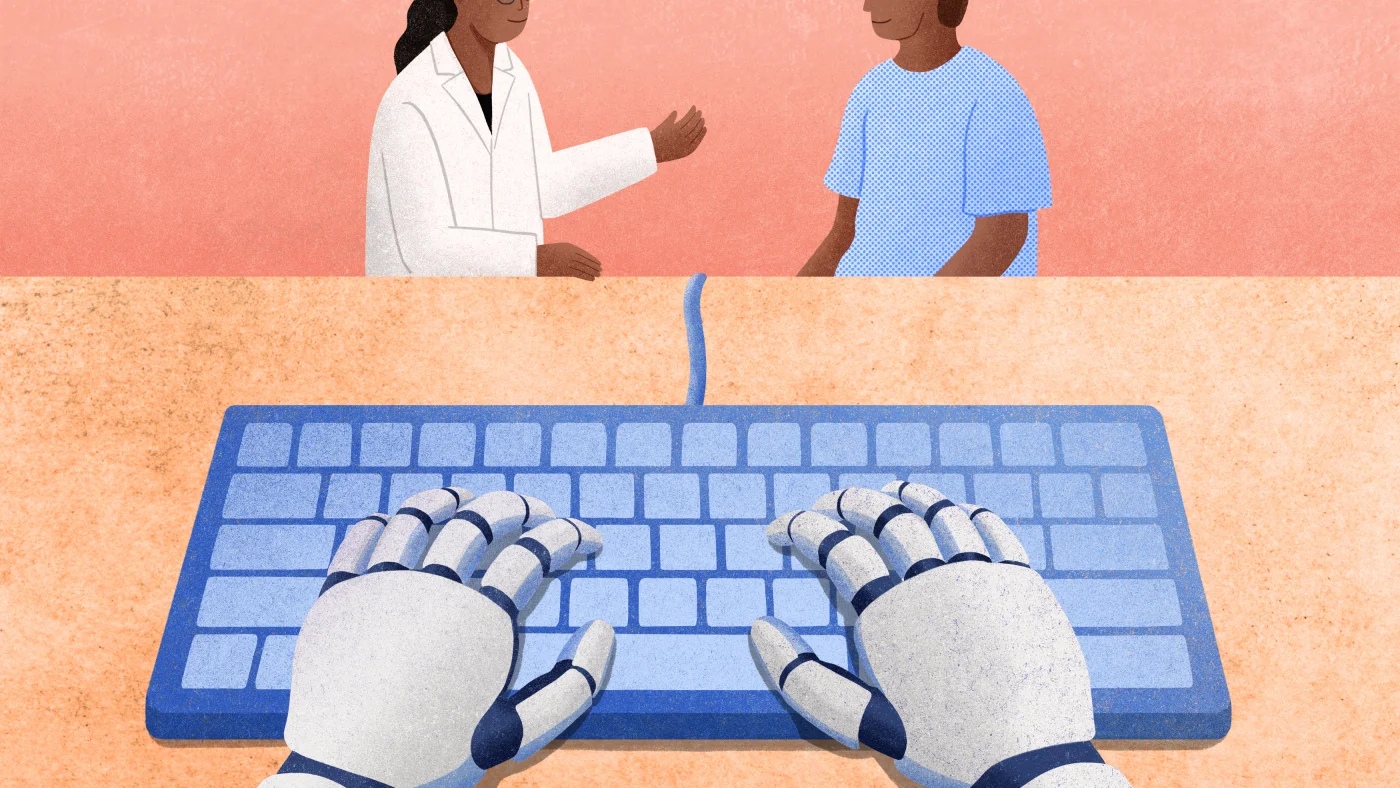
Conversations are uploaded to a HIPAA-compliant cloud, not stored on the doctor's phone. Most systems delete recordings after a set period. HIPAA-compliance means the software was designed to protect patient privacy under federal law.
Company responsibility for data
The software company is responsible for safeguarding data at every step, from recording to generating notes. They encrypt data, control access, protect against data breaches, and are liable if data is leaked.
AI scribes make mistakes
Dr. Gordon saw a patient with metastatic cancer who did not believe his diagnosis. The AI scribe note simply said he had been misdiagnosed, missing the nuances of their conversation.
Common errors in notes
AI scribes often mistake patient gender or age.Alarmingly, they confuse "I do" with "I do not" statements.
“The difference between "I do have chest pain" and "I do not have chest pain" can be a matter of life and death.”
How errors propagate
Dr.Eileen Kim, an assistant professor of internal medicine at the University of California San Diego, warns that overburdened doctors may not review AI notes carefully.
Who is liable for errors?
Dr. Gordon is ultimately responsible for the content of AI-generated notes. Most AI scribe software requires doctors to sign user agreements stating they are liable for everything in the medical record, even if a scribe…
Health equity concerns
Many AI scribes only work with English-speaking patients. Health equity advocates fear this creates unequal access to technology that could improve care, potentially widening health disparities.
Patient fears about recordings
Some patients worry that AI companies are listening to private conversations or that recordings could be used to identify them. A patient fearful of AI listening might avoid sharing sensitive health information, affecting care quality.
Could recordings be used for research?
Most AI scribe companies delete recordings within a set period to protect privacy and shield doctors from malpractice lawsuits. Some researchers call the recordings "digital gold" for studying physician-patient communication and assessing note quality.
Can patients opt out?
Most patients agree when Dr. Gordon asks about using AI scribes, but some decline. If a patient refuses, she takes notes on the computer as she did before AI scribes became available.
Opting out of AI entirely is nearly impossible
AI is embedded throughout healthcare systems for billing, clinical decision-making, and patient communication. Dr. Kim says patients cannot opt out entirely unless they are so healthy that risk calculators never apply to them.
“It's just everywhere. It would be impossible to separate. We use it throughout the healthcare system.”
Will AI replace doctors?
Dr. Kim thinks AI might change how patients experience primary care, possibly for the better if it lets doctors focus on patients. But she believes human intelligence remains critical in medicine.
The limits of AI in medicine
Dr.Kim says AI is good at sounding like doctors and pretending to be them, but it is still pretending.The core of medicine is the relationship between doctor and patient, which no robot can replace.
“It looks really good because it's really good at sounding like us, and it's really good at pretending to be us. But it's still just pretending in a way. There's no real brain.”
The big picture
AI scribes are spreading through medicine to write clinical notes, but doctors must catch errors and patients should know their options.
Read the TL;DR — this story on one card.