From NPR · · 4m
Arctic birds face a timing crisis as climate warms
Pectoral sandpipers fly 17,000 miles yearly between Alaska and Argentina, but warming temperatures are throwing their migration out of sync with food sources.
In brief
Pectoral sandpipers fly 17,000 miles yearly between Alaska and Argentina, but warming temperatures are throwing their migration out of sync with food sources. Nearly half of forty-one shorebird species breeding in Alaska are declining as climate change disrupts the timing of their migrations and food availability…
Tiny birds, epic journeys
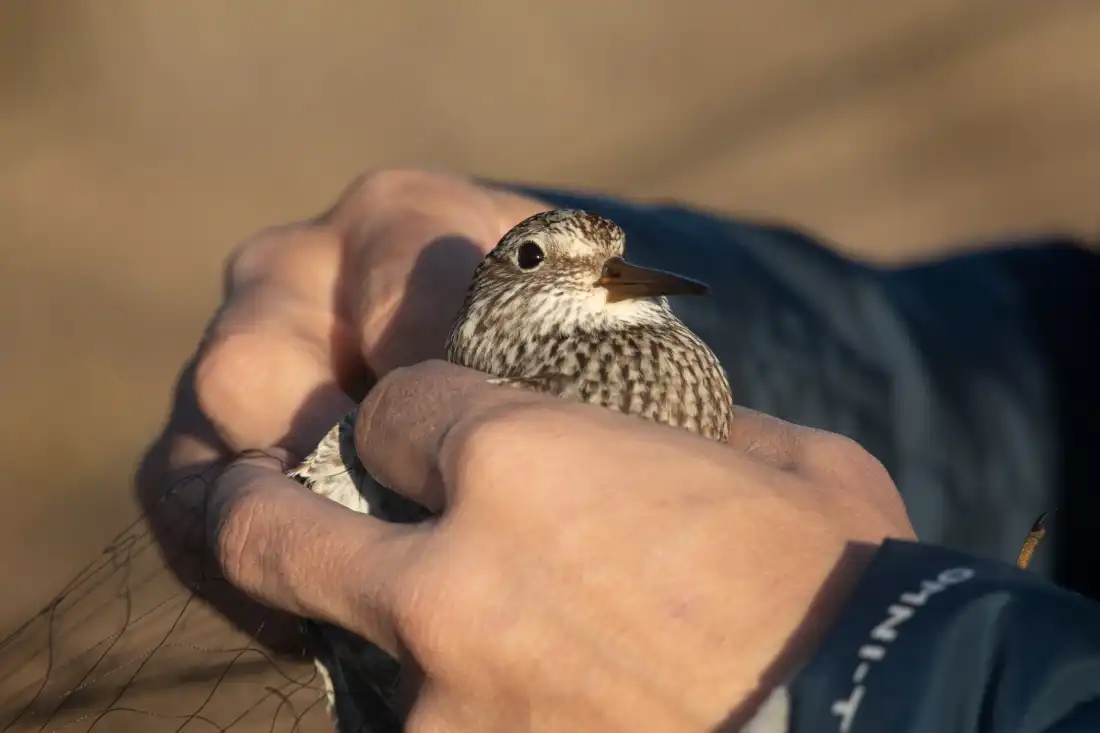
Pectoral sandpipers fly more than seventeen thousand miles a year, crossing entire continents from Alaska to Argentina and back. They weigh around three ounces.
Twelve million birds migrate north
More than twelve million shorebirds migrate to Alaska every year to breed in the short summer season on open lands near water.
Extreme adaptations for survival
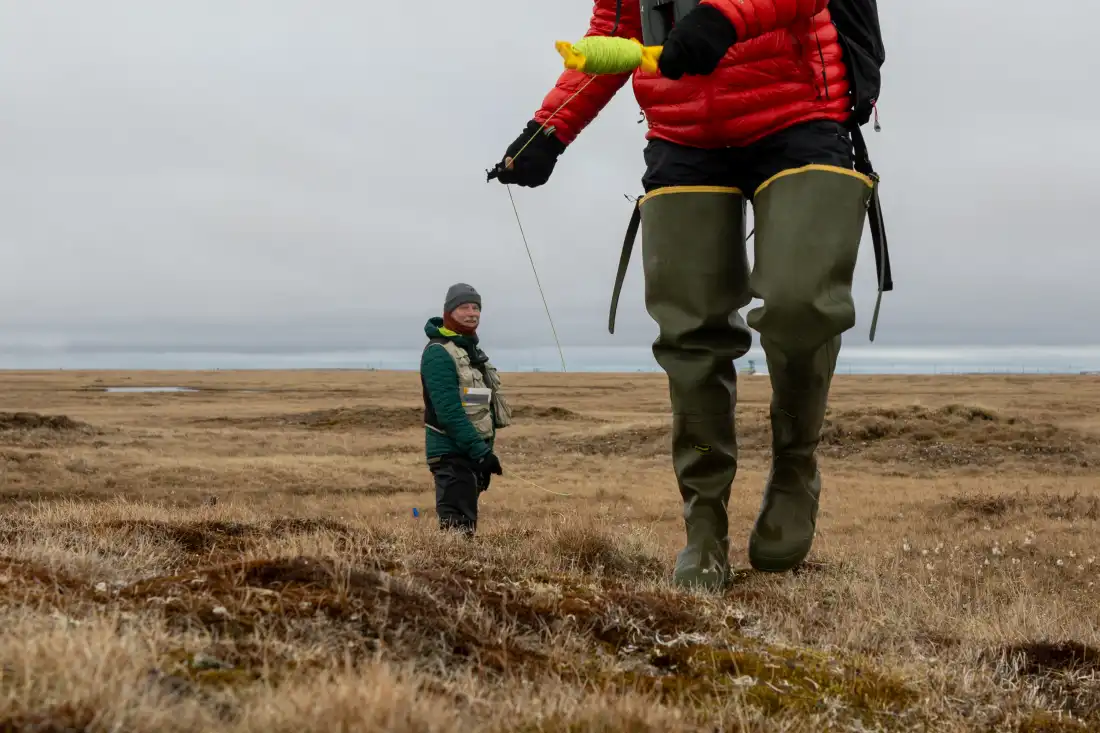
Rick Lanctot of the U.S. Fish and Wildlife Service says shorebirds shrink organs they don't need during migration. Their digestive system becomes tiny to save weight.
“All of the organs that they don't need during a nonstop migration get really tiny, like their digestive system shrinks.”
Shorebird populations are crashing
After twenty-four years of tracking, researchers found that almost half of the forty-one shorebird species breeding in Alaska are declining. Some lost more than half their population in thirty years.
Timing is everything for migrants
Birds orchestrate journeys to arrive when food is ample and weather ideal. But spring arrives earlier with warming, and habitats like wetlands and grasslands are disappearing.
Tracking tiny athletes
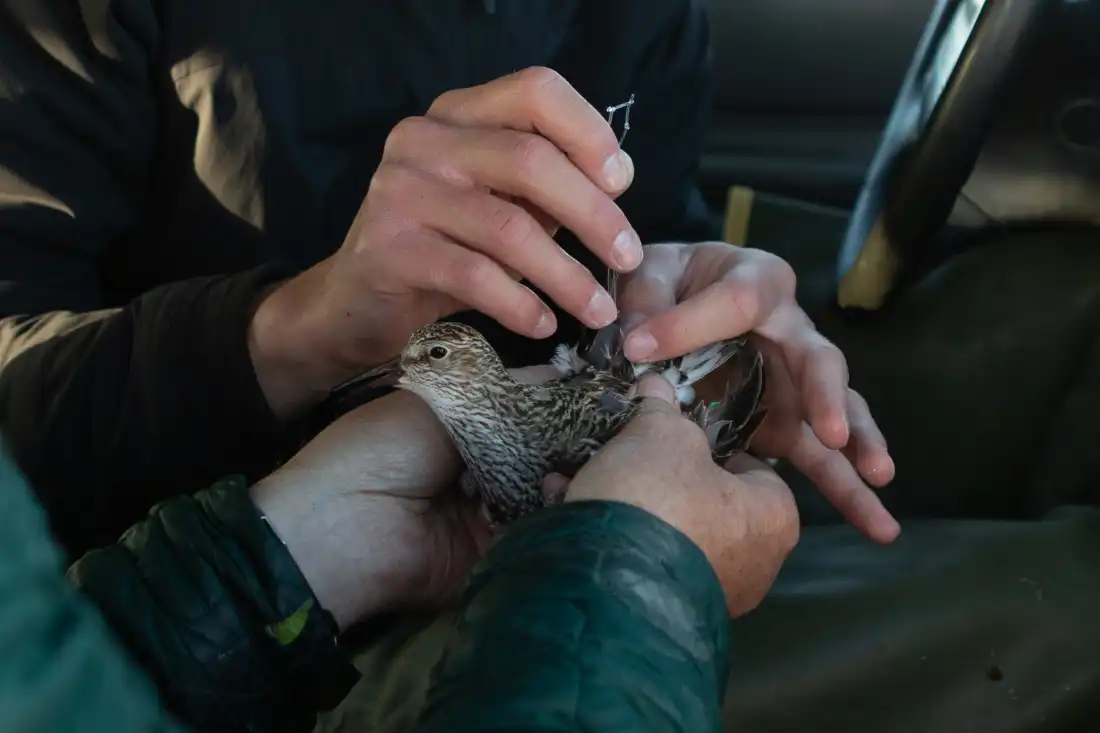
Researchers attach backpack GPS transmitters to pectoral sandpipers. The tags log positions every fifteen minutes, uploading data when birds pass cell towers during migration.
Tracking reveals extreme journeys
A bar-tailed godwit flew more than eight thousand miles for eleven days straight without stopping from Alaska to Australia. Tracking tags have only become light enough for small birds in the last fifteen years.
Six weeks to prepare for migration
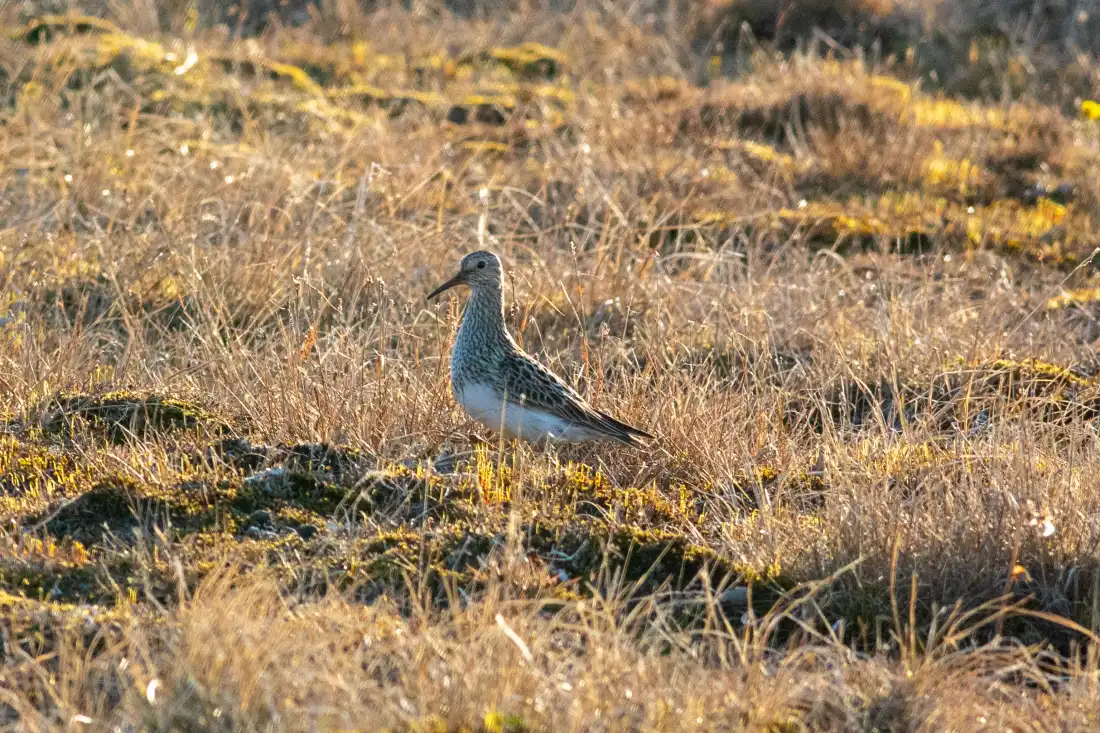
Pectoral sandpipers spend roughly six weeks in the Arctic. They must eat enough to build fat reserves, lay eggs, and raise chicks large enough to migrate within a month.
Indigenous knowledge of change

Robin Mongoyak grew up in Utqiaġvik and is now a wildlife guide. He says seasonal patterns the Inupiat people have known for centuries are changing rapidly.
“Birds have always been very special to the Inupiat people. They give us something to always look forward to after a long, cold winter.”
Arctic warming four times faster
Mongoyak remembers when sea ice lasted multiple years. Now it breaks up earlier in spring. Temperatures in the Arctic have risen four times faster than the rest of the globe.
“I don't see as many birds as I used to like seeing. It's really changed a lot in the last thirty-five years, at least.”
Insects are the key to survival

Researchers study how warming affects shorebird food. Julia Berliner of the University of Texas at Austin collects insects using a modified leaf vacuum to sample the tundra.
Insects emerge earlier with warmth
Small flying insects only emerge briefly during the short Arctic summer. As permafrost thaws with warming, flies and spiders emerge earlier than before.
The mismatch problem
Shorebirds time chick hatching to peak insect populations. But when spring arrives earlier, insects also emerge earlier, putting birds out of sync with their food supply.
Late chicks have lower survival
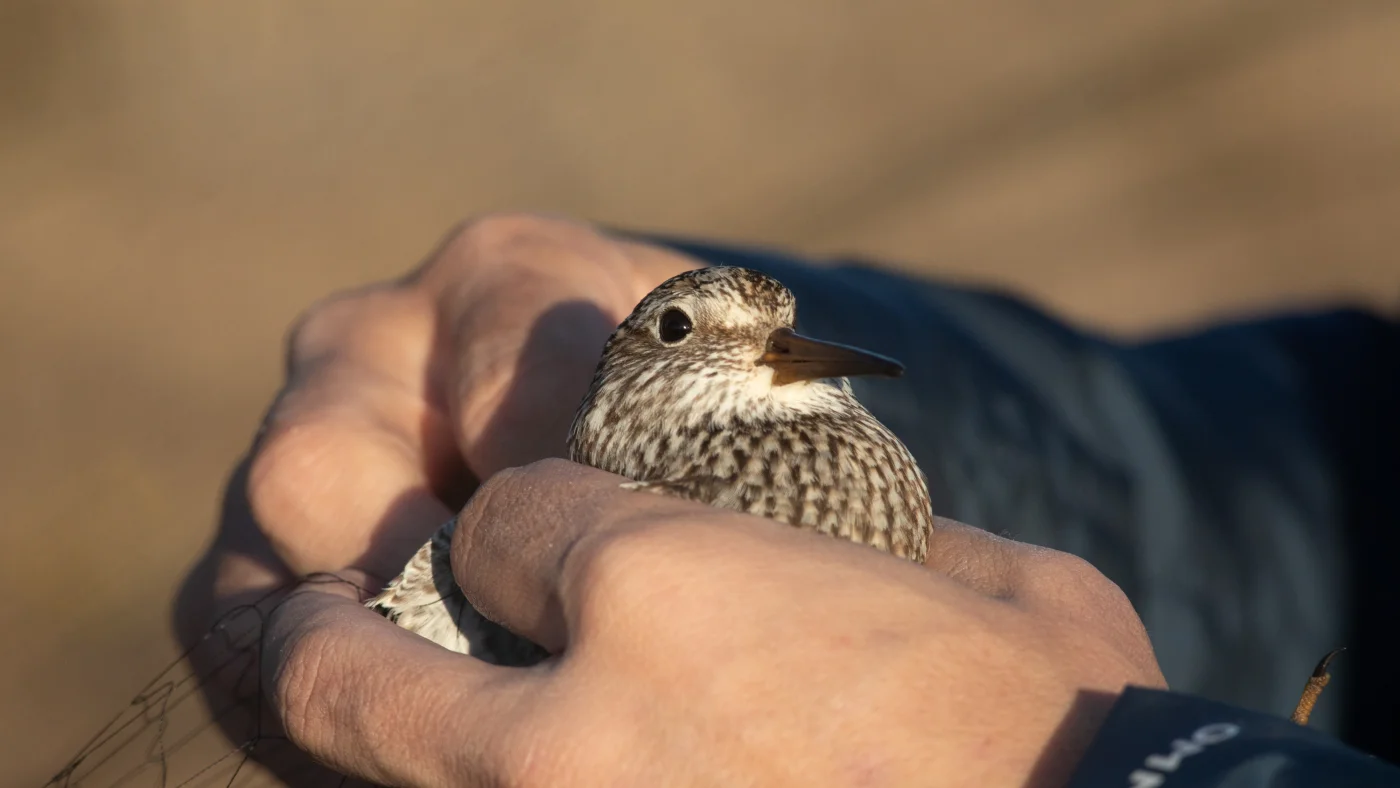
Research shows that when chicks hatch late, fewer of them survive. Different insects emerge at different times, so what birds can eat also matters for nutrition.
Birds cannot adapt fast enough
Some shorebirds can speed up nesting and lay eggs slightly earlier than normal when spring arrives early, but not enough to keep pace with climate changes.
Habitat loss compounds the crisis
Habitat loss from development is driving shorebird decline, particularly wetlands and grasslands used as rest stops. Drought intensifies these losses and is worsening with climate change.
Conservation efforts underway
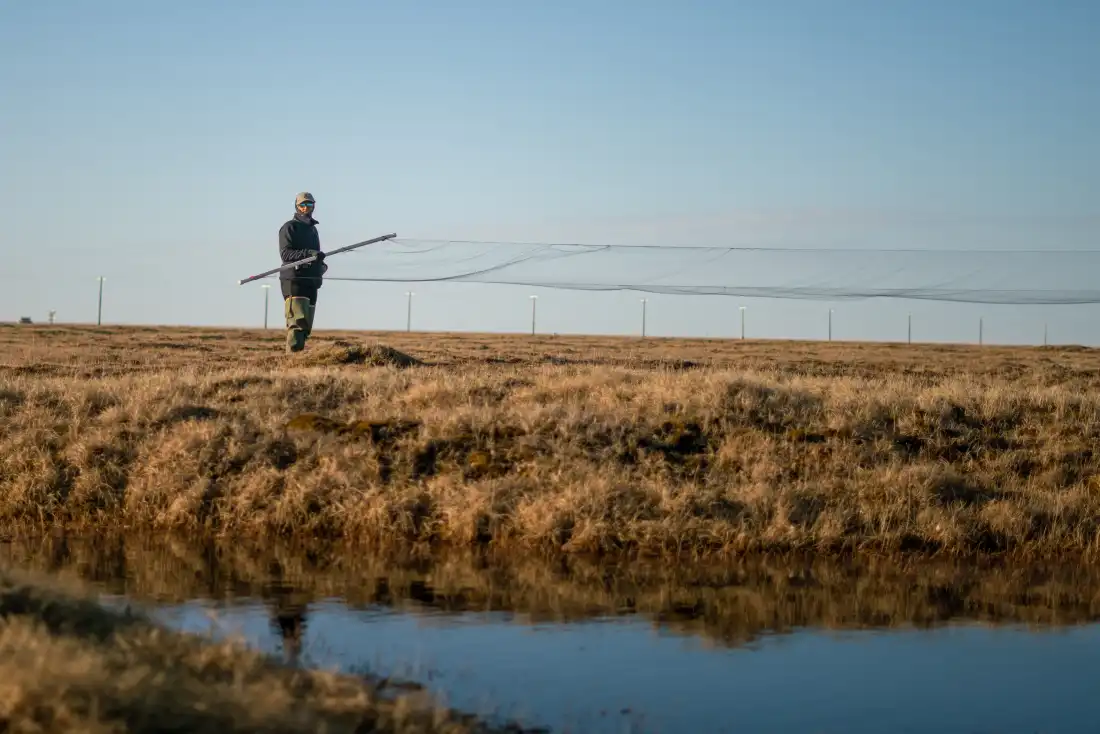
In some places, conservation efforts boost habitat. California pays farmers to keep rice fields flooded longer so migrating birds can use them as rest stops.
Extinction is now a possibility
Nathan Senner of the University of Massachusetts Amherst says if shorebirds keep declining, extinction is possible for many species. The race is on to understand how much they can adapt.
“Shorebirds truly are sentinels about what is happening to the planet, because they're touching down in so many of the places across that planet.”
The key point
Nearly half of forty-one shorebird species breeding in Alaska are declining as climate change disrupts the timing of their migrations and food availability.
Read the TL;DR — this story on one card.