From NPR · · 3m
Asia charts Arctic shipping routes to dodge Middle East chaos
As conflicts threaten traditional trade lanes, South Korea, China, and India are racing to establish commercial Arctic passages, reshaping global shipping and geopolitics.
In brief
As conflicts threaten traditional trade lanes, South Korea, China, and India are racing to establish commercial Arctic passages, reshaping global shipping and geopolitics. Climate change is opening Arctic shipping routes, but geopolitical tensions between Russia, the West, and China are turning the region into a new…
South Korea's Arctic breakthrough

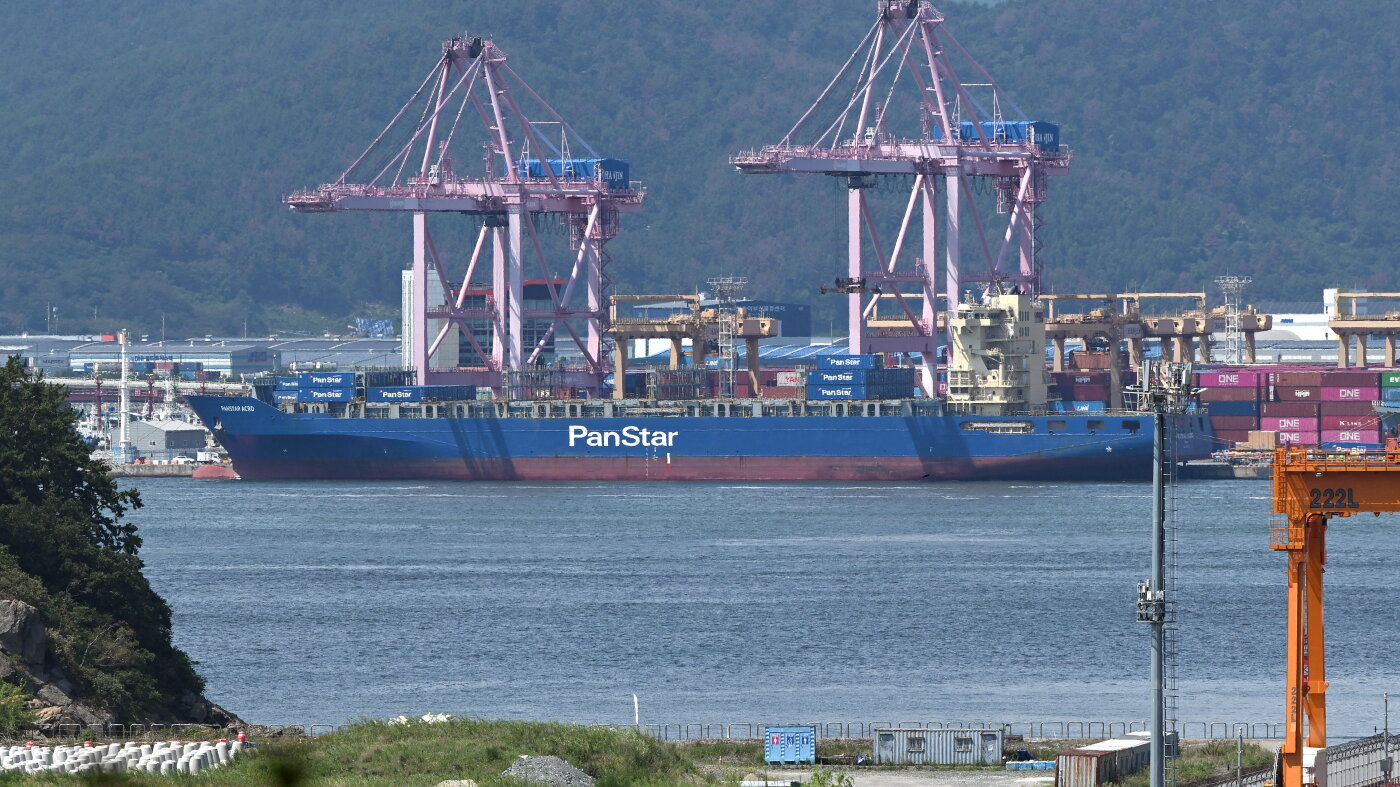
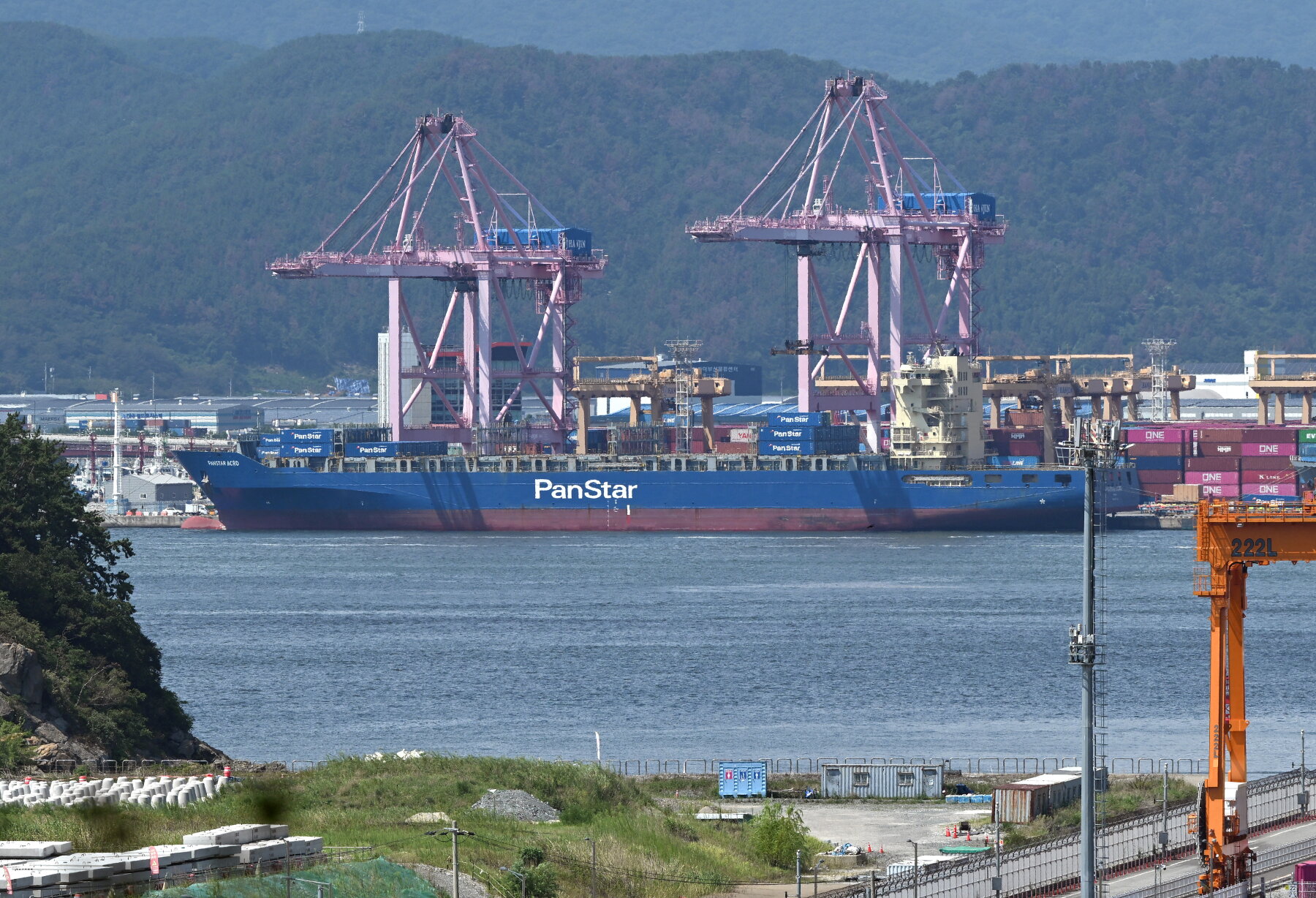
The PanStar Acro became South Korea's first container ship to reach Europe via the Arctic, arriving in Felixstowe, England in September 2026 after a 45-day voyage from Busan through the Northern Sea Route.
Red Sea chaos accelerates Arctic plans
Houthi rebels seized the Bab el-Mandeb Strait at the Red Sea's southern entrance, pressuring another global trade chokepoint and adding urgency to Asia's Arctic shipping experiments.
Asia's decade-long Arctic quest
China and South Korea began pilot Arctic voyages over ten years ago to find faster routes to Europe and the Middle East that avoid vulnerable chokepoints like the Strait of Hormuz and Red Sea.
India and Japan join the race
India plans its first cargo ship voyage via the Northern Sea Route next year, while Japan is building its first Arctic research icebreaker to explore polar waters.
Climate change melts Arctic ice
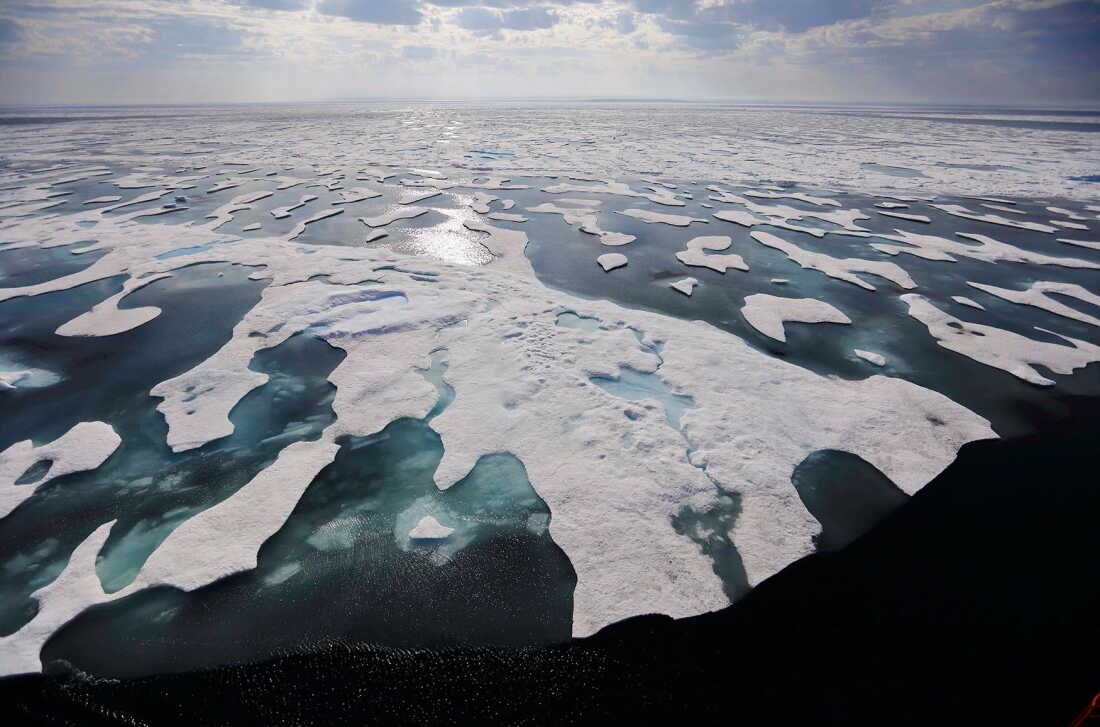
Arctic sea ice coverage in September is dropping 10 to 15 percent per decade due to global warming, making previously unnavigable waters accessible to commercial shipping.
“we're seeing the surface area covered by the ice in September, much lower than it used to be. We're losing an average of about 10 to 15% per decade”
Arctic shipping still has limits
Insurance costs remain high and the navigable window is short, from late summer to early fall. Most shipping companies still prefer the longer but more predictable southern Africa route.
Russia controls the Northern Sea Route
Russia views the Northern Sea Route as domestic waters and requires transit permits. It can mandate use of its state-owned nuclear icebreakers, which are under Western sanctions due to the Ukraine war.
South Korea walks a diplomatic tightrope
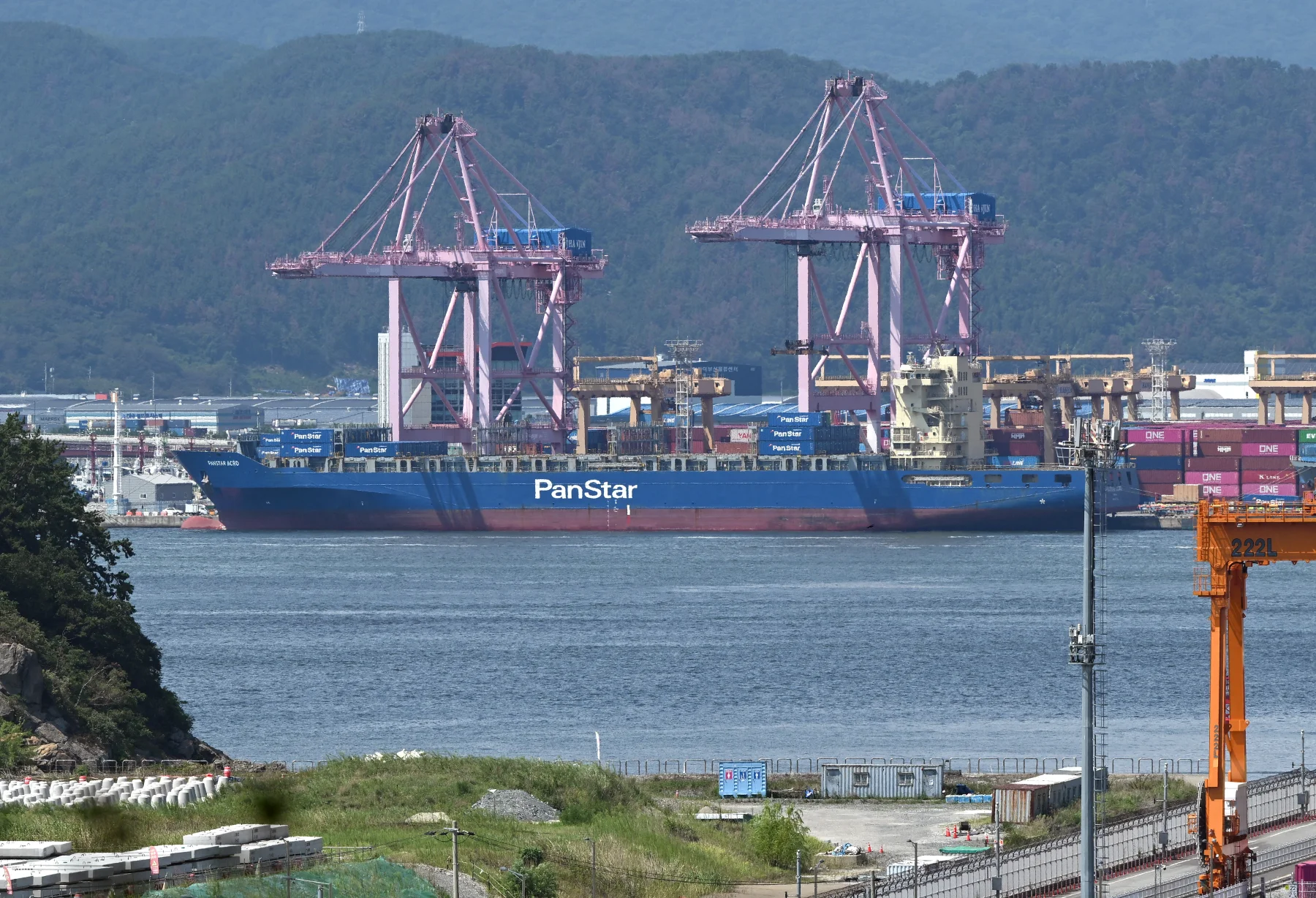
South Korea balances between its U.S. and EU security allies and Russia's Arctic claims. Critics argue the government prioritized U.S. relations over consulting Russia about the PanStar Acro's transit.
China takes a different approach
China has declared a no-limits strategic partnership with Russia and opposes Western sanctions, cooperating without broad international consensus unlike South Korea's more cautious stance.
Arctic Council cooperation collapses
Russia's invasion of Ukraine halted the Arctic Council's work and froze international environmental and climate cooperation in the region.
Military tensions escalate in Arctic
Russia and NATO have stepped up Arctic military exercises and restored Cold War-era bases. The Arctic remains strategically vital as the shortest missile and bomber route between Russia and America.
Arctic exceptionalism fades
For three decades after the Cold War, the Arctic was viewed as an exceptional zone of international cooperation. That vision now appears increasingly unrealistic amid growing trade competition and military tensions.
The key point
Climate change is opening Arctic shipping routes, but geopolitical tensions between Russia, the West, and China are turning the region into a new arena of strategic competition.