From NPR · · 2m
Aspen tests AI drones to fight wildfires
Colorado fire crews are training to operate Seneca's new fire-suppressing drones, which could reach remote fires before firefighters arrive.
In brief
Colorado fire crews are training to operate Seneca's new fire-suppressing drones, which could reach remote fires before firefighters arrive. Aspen Fire Protection District is training to become the first fire department to independently operate AI-enabled drones that can carry and drop fire-suppressing foam on remote…
Giant drones arrive in Aspen
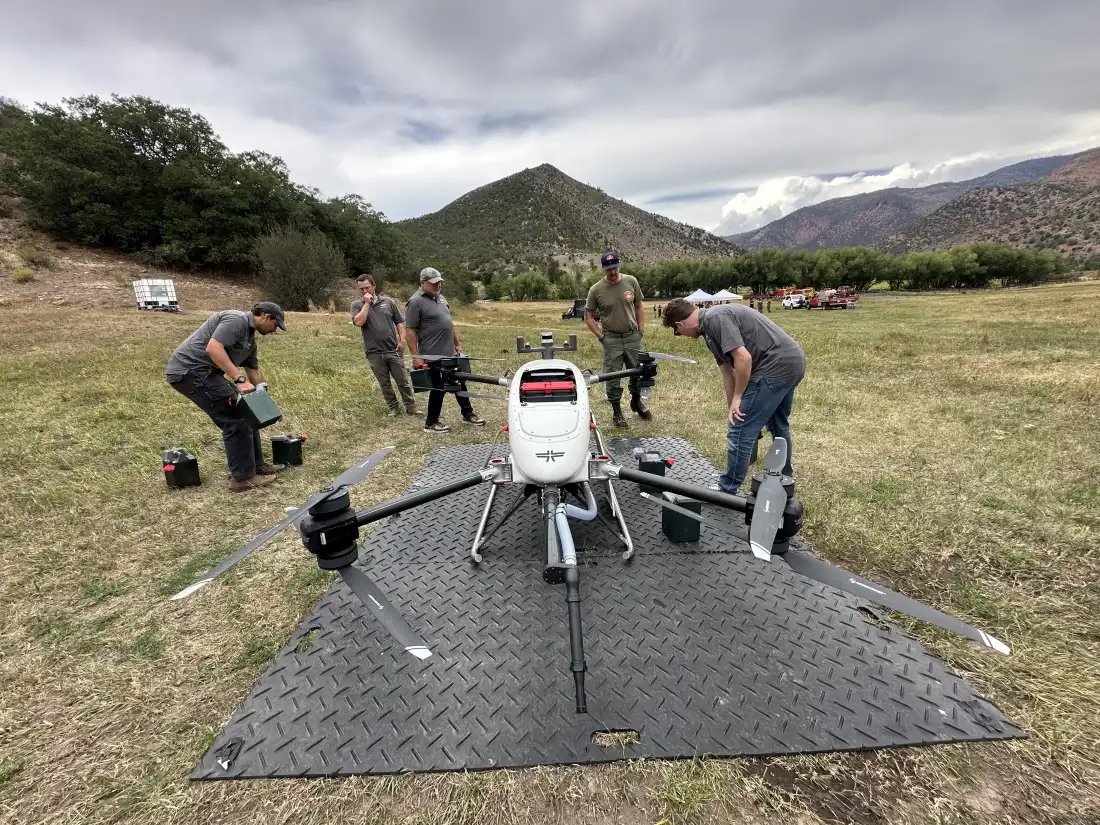
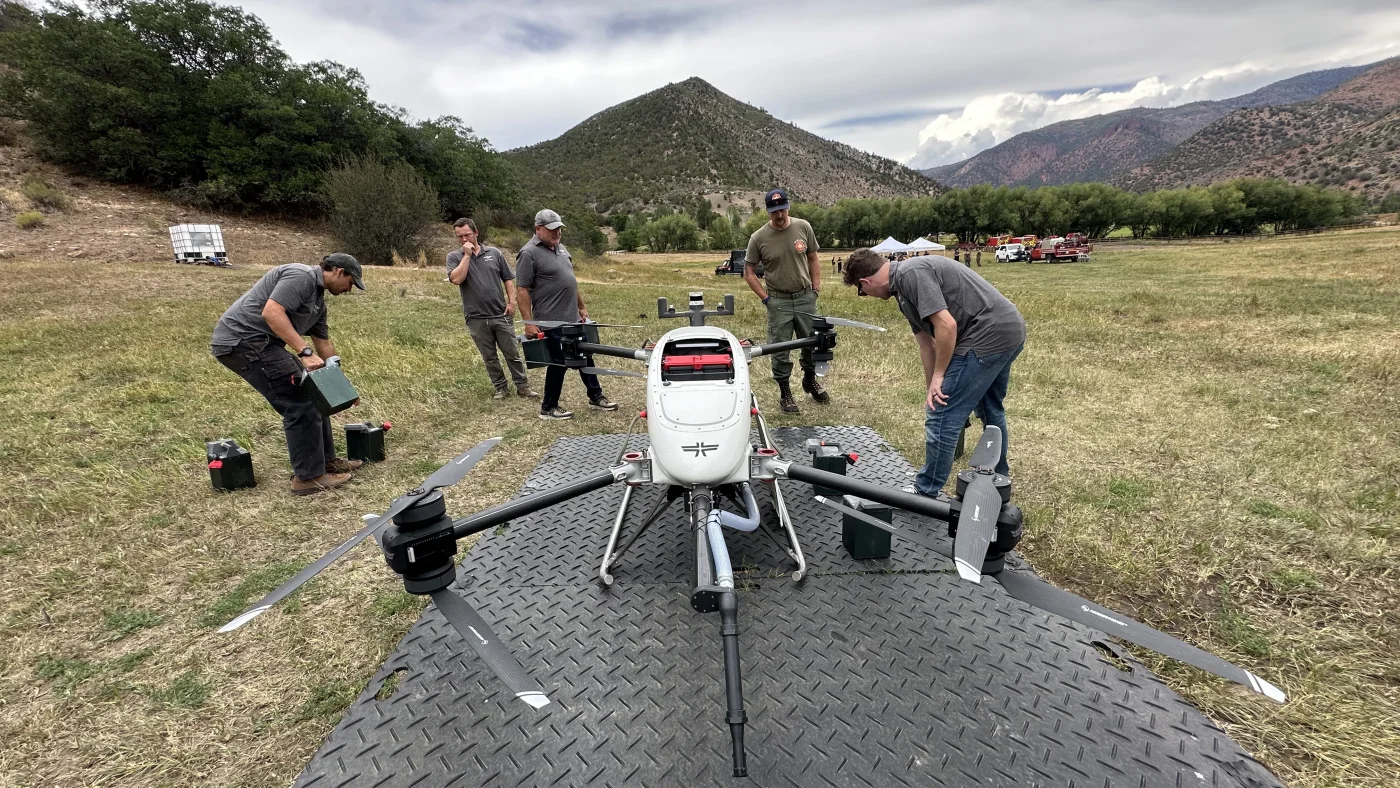
Fire crews in Aspen, Colorado are training to operate new drones from manufacturer Seneca. The machines are about ten by twelve feet wide, black and white with four large propellers.
What makes these drones different
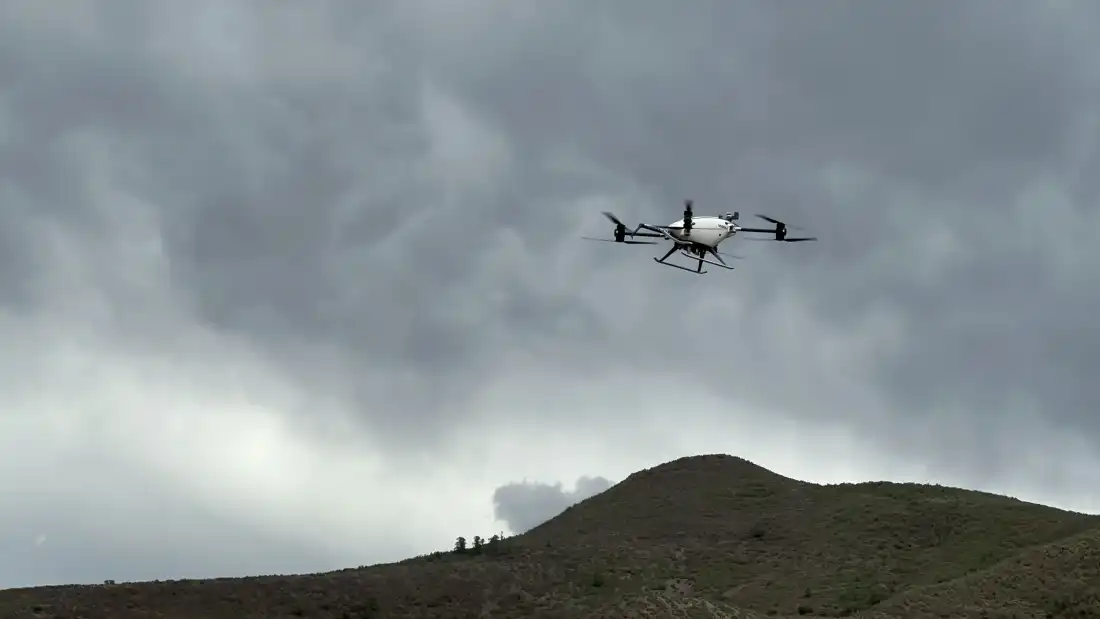
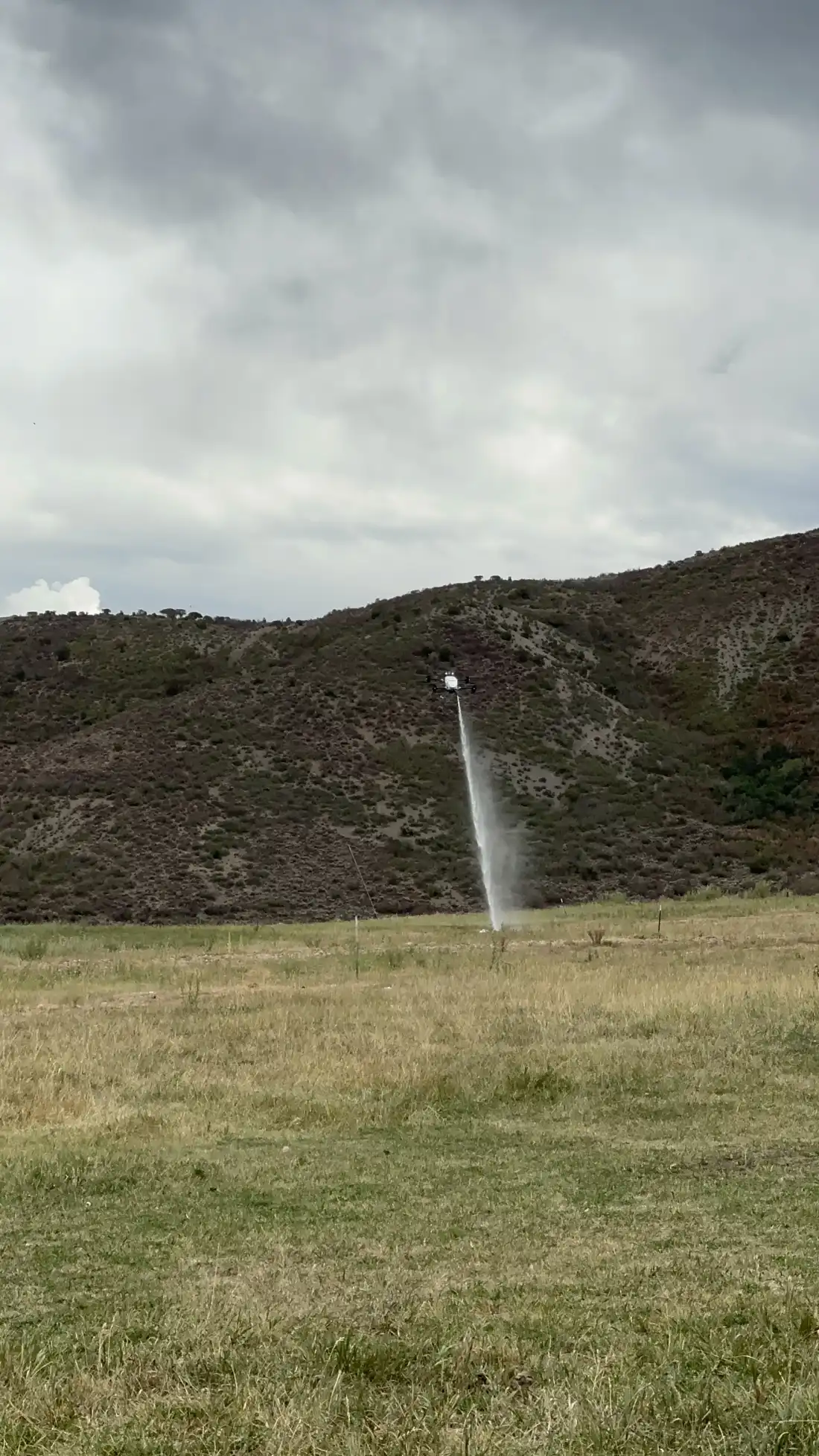
Unlike drones used for decades to monitor wildfires, these new machines use AI to help extinguish fires. Five drones working together can carry five hundred to one thousand gallons of fire-suppressing foam.
Easy to fly, firefighters say
Aspen Fire staff reported the drones were simple to operate. Deputy chief Andy Fisher joked about their ease of use, saying they were so straightforward that a child could pilot them.
“We were just joking that my 12-year-old could fly these things”
First independent operation planned
When Aspen Fire officially launches its drone program as early as next year, it will be the first fire department in the world to operate the drones independently.
Reaching fires before firefighters
Fisher wants to send drones to hard-to-reach fires like remote lightning strikes before firefighters arrive. Aspen is surrounded by dense forests and has few evacuation routes, making early fire suppression critical.
“If we could get it quick, keep them small and attack them while they're smoldering instead of waiting for the wind to pick them up, I feel like that's the most ideal use case”
How the drones work
The drones have a range of five to ten miles, or double that if empty.
“You can think about it almost like a flying Waymo”
Cost advantage over helicopters
Seneca founder Stuart Landesberg said the drones won't replace air tankers on big fires but can carry tools, monitor fires and extinguish hot spots. They could make aerial firefighting more affordable than helicopters.
“We can be the next best thing at two orders of magnitude less cost”
Skepticism from experienced firefighters
Joe Stutler, a firefighter with nearly sixty years experience, supports the technology but remains skeptical.The drones have only been tested on prescribed burns, not real wildfires, and he has not seen results backing up claims.
“I haven't seen any results. It's one thing to make a claim. It's something else to back it up with data.”
FAA approval and next steps
The FAA granted Aspen Fire a waiver in late October. Once training is complete, the department can fly drones up to two hundred feet in Pitkin County, though someone must watch them at all times…
In short
Aspen Fire Protection District is training to become the first fire department to independently operate AI-enabled drones that can carry and drop fire-suppressing foam on remote wildfires.