From NPR · · 3m
Death row inmate becomes museum artist at 68
Gary Tyler spent 41 years in Angola Prison for a murder he didn't commit. Now freed, his quilts tell the stories of those still locked away.
In brief
Gary Tyler spent 41 years in Angola Prison for a murder he didn't commit. Now freed, his quilts tell the stories of those still locked away. Gary Tyler, sentenced to death at seventeen for a murder he did not commit, received his first solo museum exhibition at sixty eight after spending forty one years in Angola…
Arrested at sixteen for a murder
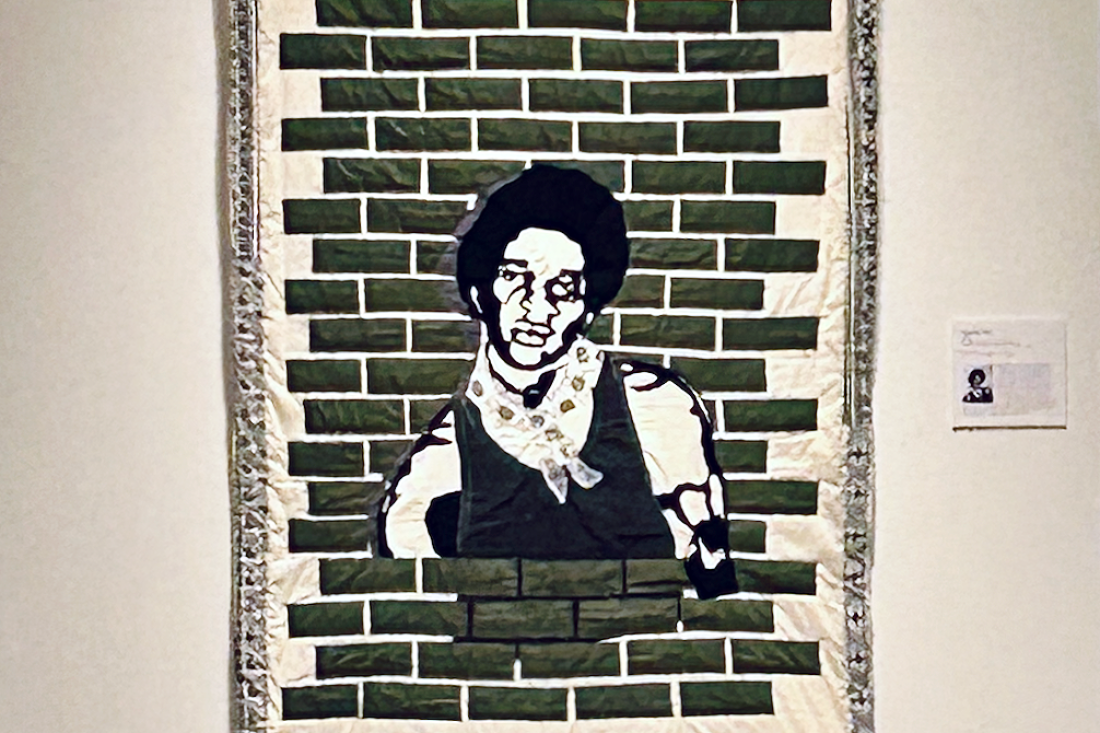
Gary Tyler was a sixteen year old in Louisiana when a white thirteen year old was shot during anti school integration violence. Police arrested Tyler and charged him with murder.
Convicted by an all white jury
Tyler's divorce lawyer represented him incompetently. Four friends testified against him, then recanted. The judge instructed the all white jury to assume he meant to kill multiple people. He was convicted and sentenced to death.
Youngest person on death row
At sixteen, Tyler became the youngest person on death row. He was sent to Louisiana State Penitentiary, also known as Angola, and placed in a form of solitary confinement. He maintained his innocence.
Louisiana's incarceration crisis
Louisiana has the highest rate of incarceration in the U.S.Globally, it is second only to El Salvador.It also has one of the lowest parole rates.
Pardons refused three times
The Louisiana Board of Pardons and Committee on Parole recommended Tyler be pardoned three times. Each time, the state's governor refused. Tyler remained imprisoned at Angola.
Learning quilting in prison
In the late nineteen eighties, Tyler and other men created a hospice program to care for terminally ill inmates.The group raised money for coffins by making and selling quilts.That is how Tyler learned the craft.
“Men in prison, taking care of terminally ill men to, you know, end of life, it had the way of really transforming you, changing you.”
Quilts raise thirty thousand dollars
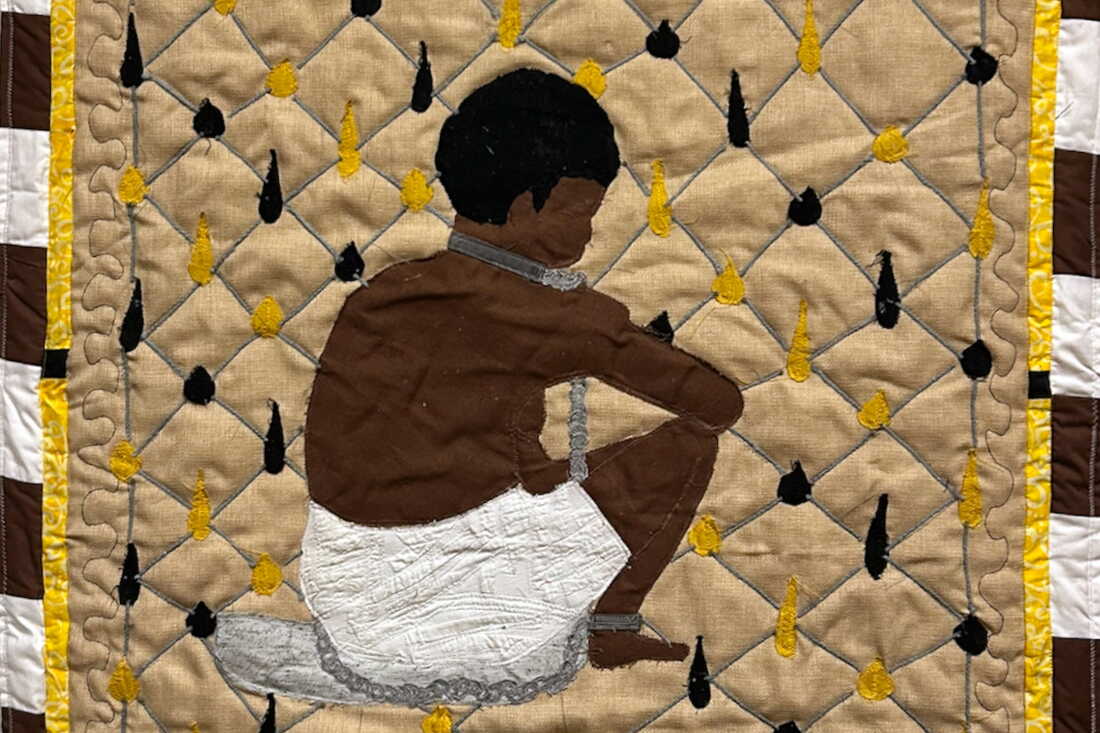
One of Tyler's quilts was raffled off at the Angola Prison Rodeo, a biannual public event, and raised thirty thousand dollars for the hospice program. The Smithsonian later acquired one of his quilts.
Released after Supreme Court ruling
A two thousand sixteen U.S.Supreme Court ruling required states to resentence all people given life without parole as juveniles.The St.Charles Parish District Attorney proposed resentencing Tyler for manslaughter.
Tyler's critique of the system
Tyler says the criminal justice system is unfairly administered, especially to people of color and poor people. He argues there are better ways to adjudicate and punish a person in prison humanely.
“The system is unfairly administered, especially to the people of color and poor people in the United States.”
Quilts honor those still imprisoned
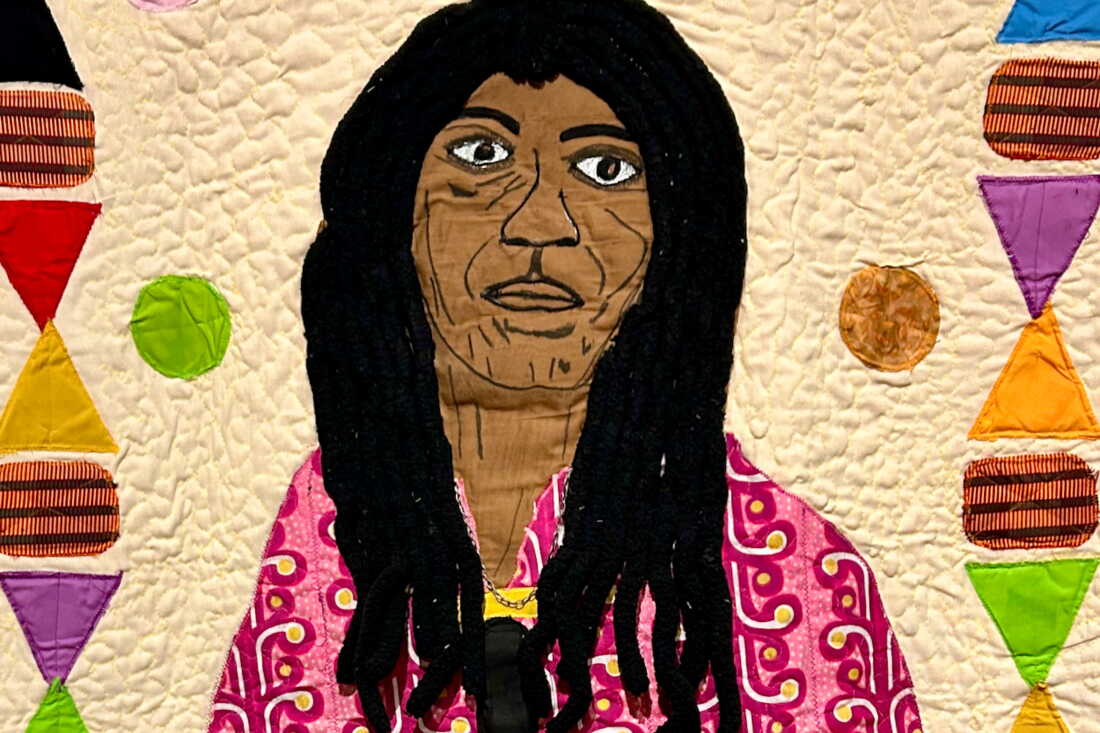
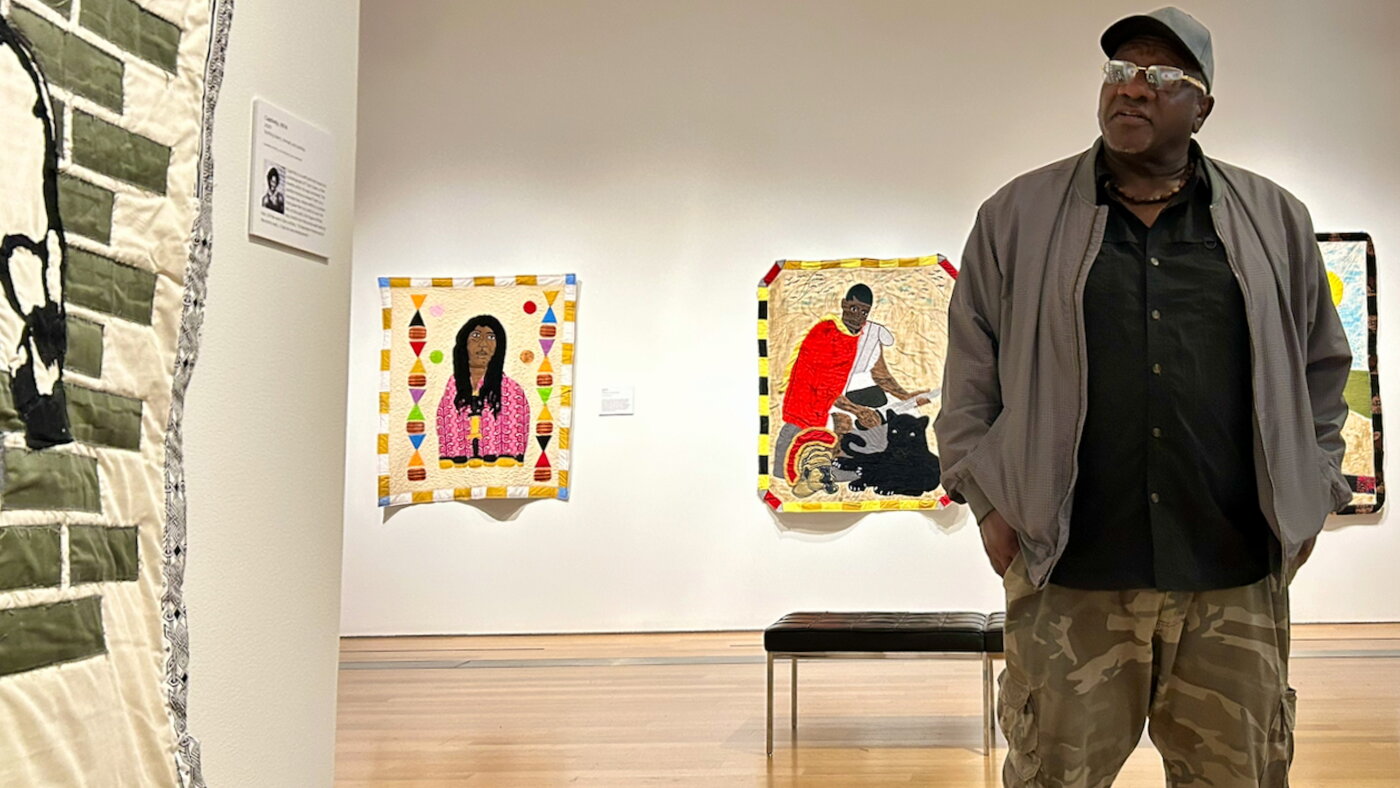
Tyler's art now honors those still locked up. He creates portrait quilts featuring incarcerated men and women he met behind bars. He uses applique, yarn, jewelry, charcoal and other mixed media to emphasize their humanity.
“Because when you see Sandra Stall, Trinidad, Big Toe, Mary, and Bertha, that's my way of showing moral and spiritual support.”
First solo exhibition at sixty eight
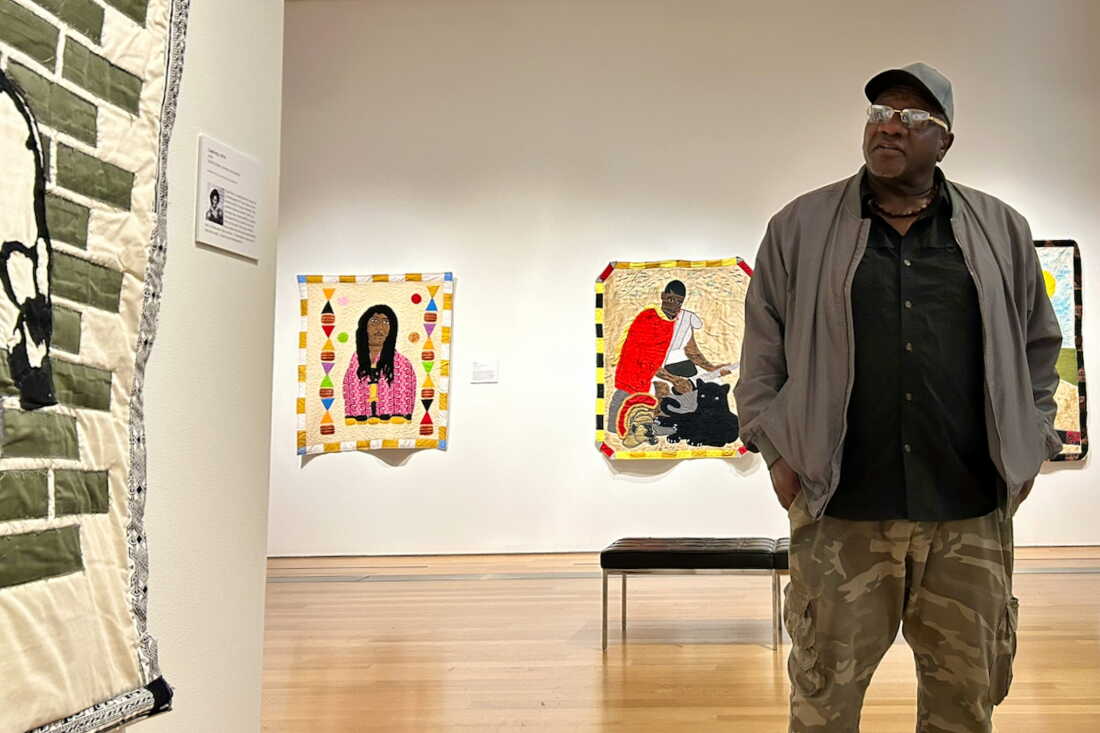
Gary Tyler received his first solo museum exhibition at the Grand Rapids Art Museum in Michigan.The exhibit, Gary Tyler: Rebirth, runs through January third.His work draws attention to the plight and humanity of the incarcerated.
The takeaway
Gary Tyler, sentenced to death at seventeen for a murder he did not commit, received his first solo museum exhibition at sixty eight after spending forty one years in Angola Prison.


