From NPR · · 1m 30s
Europe's warming fuels West Nile virus spread
Rising temperatures are extending mosquito season and helping West Nile virus reach new areas across Europe.
In brief
Rising temperatures are extending mosquito season and helping West Nile virus reach new areas across Europe. Climate change is lengthening the period when mosquitoes can transmit West Nile virus, allowing the disease to spread to regions that were previously unaffected. Originally reported by NPR.
Italy battles West Nile surge
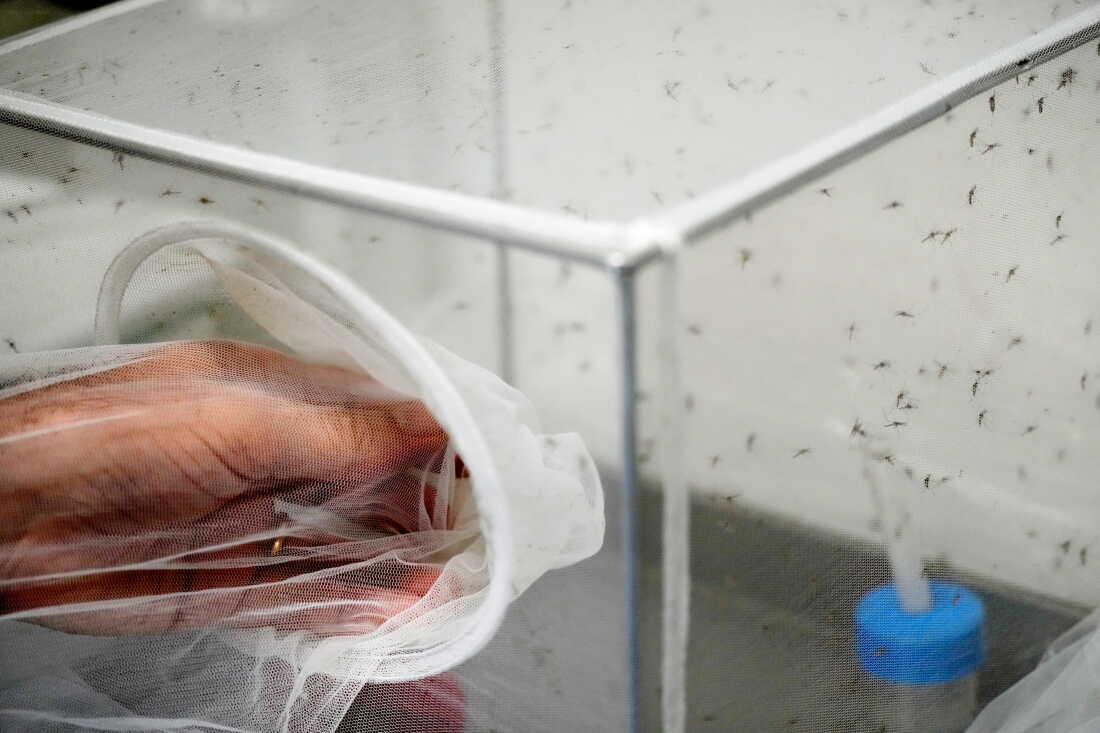
Italy has reported over 650 West Nile infections this year, accounting for roughly half of all European cases. The virus has been endemic since 2020 and now appears every summer and early fall.
Heat extends mosquito season
Rising temperatures linked to climate change help mosquitoes reproduce and can extend the transmission season into November. Warmer weather allows the virus itself to survive longer.
“Higher temperatures linked to climate change help mosquitoes reproduce and extend the transmission season, increasing the chances that infected mosquitoes will spread the virus to people.”
Virus spreads to new regions
Areas once largely unaffected by West Nile are increasingly reporting infections, reflecting gradual expansion across Italy. The virus is now reaching farther north into Europe.
Northern Europe takes notice

Belgium sent researchers to study Italy's surveillance system after recording local West Nile cases. The Netherlands reported over two dozen cases this year, the first since 2020, plus several deaths.
Invasive mosquitoes expanding fast
The Aedes albopictus mosquito was established in 8 European countries a decade ago. Today it's in 13 countries and 337 regions. Aedes aegypti, which transmits dengue and Zika, is now in Cyprus.
Multiple factors drive expansion
Climate warming, loss of biodiversity, and changes in land use all contribute to increased virus activity. Declining bird diversity may favor species that are efficient virus reservoirs.
“There are definitely trends which we think are contributing to increased activity.”
Here's the gist
Climate change is lengthening the period when mosquitoes can transmit West Nile virus, allowing the disease to spread to regions that were previously unaffected.
/file/attachments/2999/41_389608.png)
/file/attachments/orphans/DMXCREATIONAFRICAROLLOUT-POST9-BIO_471227.png)