From NPR · · 4m
Fiji's HIV crisis fueled by crystal meth
The Pacific island nation faces the world's fastest-growing HIV epidemic, driven by surging methamphetamine use among young people.
In brief
The Pacific island nation faces the world's fastest-growing HIV epidemic, driven by surging methamphetamine use among young people. Fiji declared a national HIV emergency in September twenty twenty-six after cases rose twelve-fold since twenty ten, with crystal meth use and unsafe injection practices driving…
Paradise faces twin epidemics

Fiji, known as a tropical honeymoon destination, now confronts two intertwined crises: rapidly rising HIV cases and widespread crystal methamphetamine addiction among its youth.
Cases surge twelve-fold in fifteen years
HIV cases in Fiji rose twelve-fold between twenty ten and twenty twenty-five. In mid-September, the government declared a national emergency, with estimates of upward of nine thousand cases.
One in sixty adults now infected
Fiji's health minister announced that one in sixty adults are now living with HIV. The country faces the fastest-growing HIV epidemic in the world, according to public health specialists.
Young people bear the burden
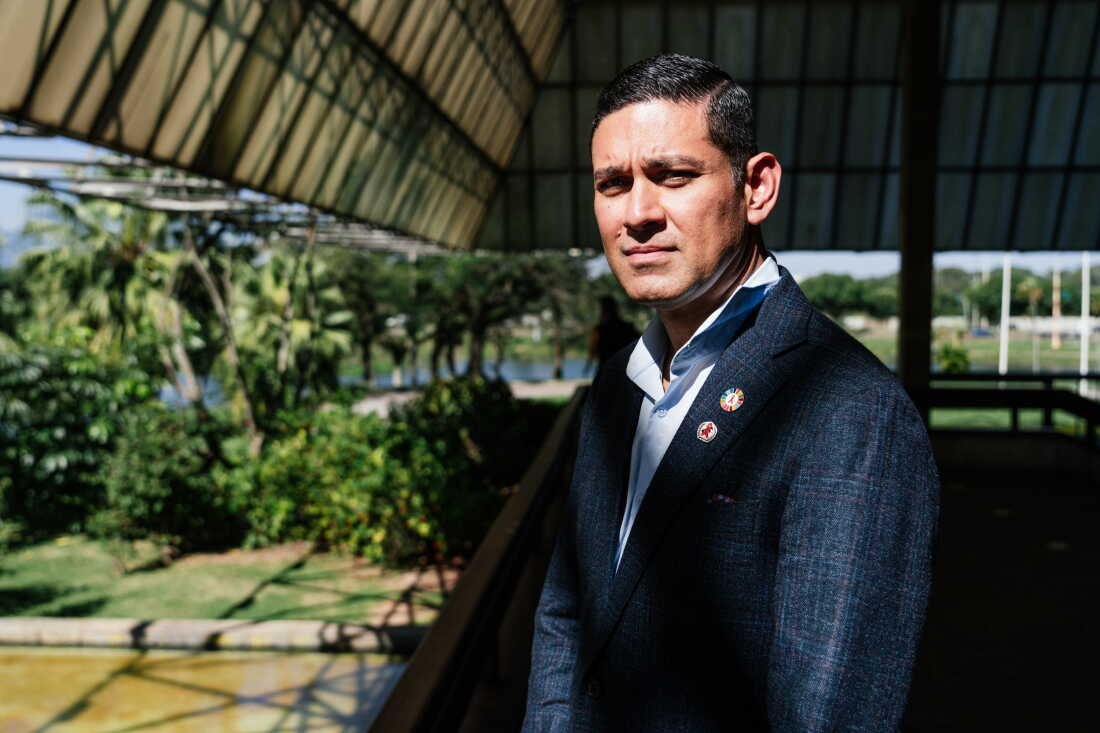
Two-thirds of HIV cases are in people aged twenty to thirty-four. Jason Mitchell, leading Fiji's HIV response, warns that unless solutions come quickly, the epidemic will worsen.
“Our young, active, productive population is currently being infected with HIV, and unless we find solutions quickly, this will continue to get worse.”
Meth use drives needle sharing
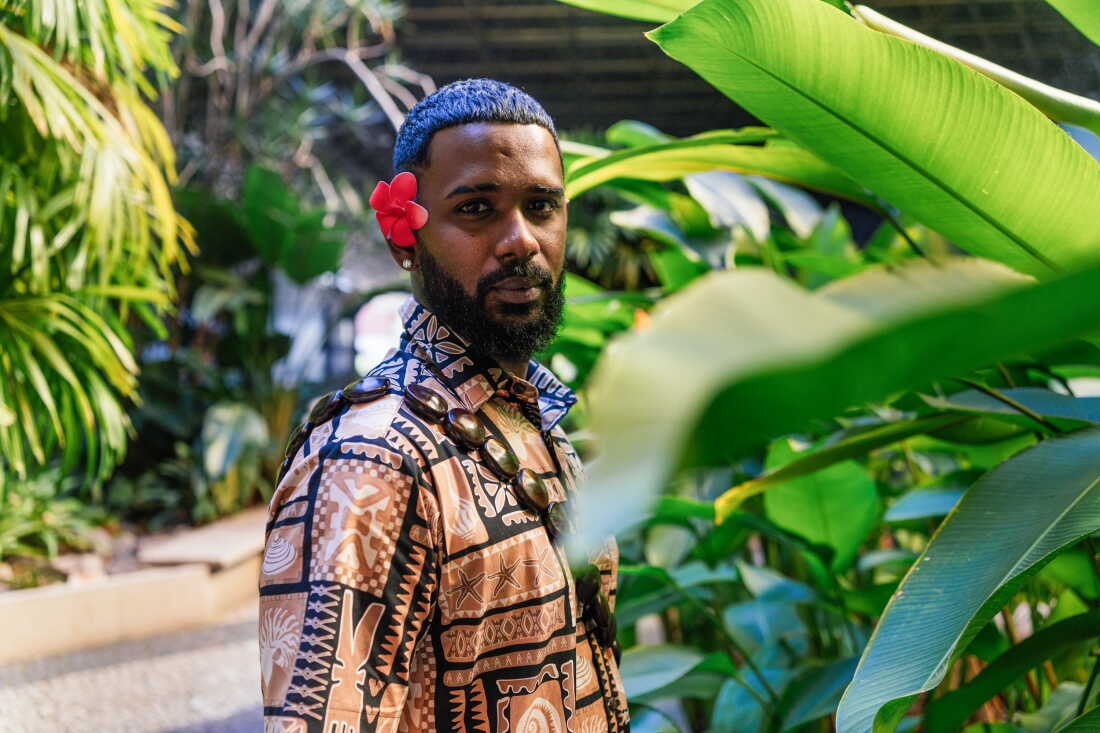
Crystal methamphetamine use among Fiji's youth, often injected, has led to HIV transmission through shared needles. Mark Lal, a twenty-five-year-old HIV activist from Suva, says the majority of his friends contracted HIV through crystal meth.
“The majority of my friends, they got HIV through crystal meth.”
COVID created a drug crisis
Crystal meth has long transited Fiji between South America and Australia and New Zealand. Since COVID, use soared due to rising unemployment and drugs that would have moved on staying in Fiji instead.
Children as young as nine using drugs
Spiraling unemployment and worsening mental health from lockdowns led young Fijians, even preteens, to turn to methamphetamine. Doctor Sailosi Soqo reports communities he works with have children as young as nine using injectable drugs.
“The communities I work with report children as young as 9 using injectable drugs.”
Bluetoothing spreads infection
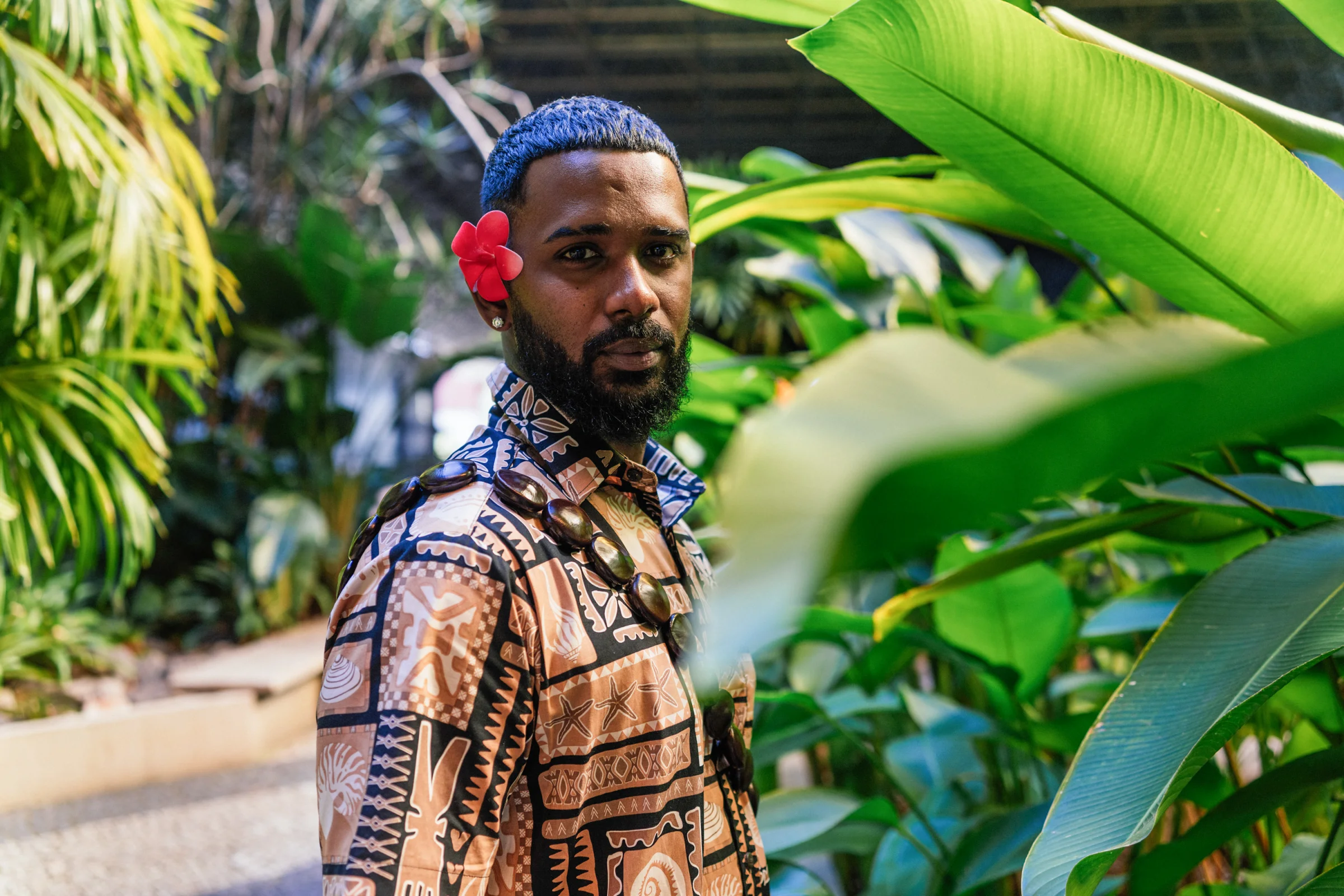
A shift from smoking to injecting meth includes bluetoothing, where one person injects the drug then another injects their blood. This practice, fueled by needle scarcity and cultural sharing traditions, has accelerated HIV transmission.
One infected person infects ten others
Reports suggest that on average, one infected person in Fiji will pass the virus on to ten others. The combination of cultural sharing practices and limited access to clean injecting equipment creates a perfect storm for transmission.
Sexual transmission accounts for half of cases
Sexual intercourse made up roughly fifty percent of new HIV cases in twenty twenty-five. A twenty twenty-one survey found only twenty-four percent of men and nine percent of women with multiple partners used condoms at last intercourse.
Australia pledges forty-eight million dollars
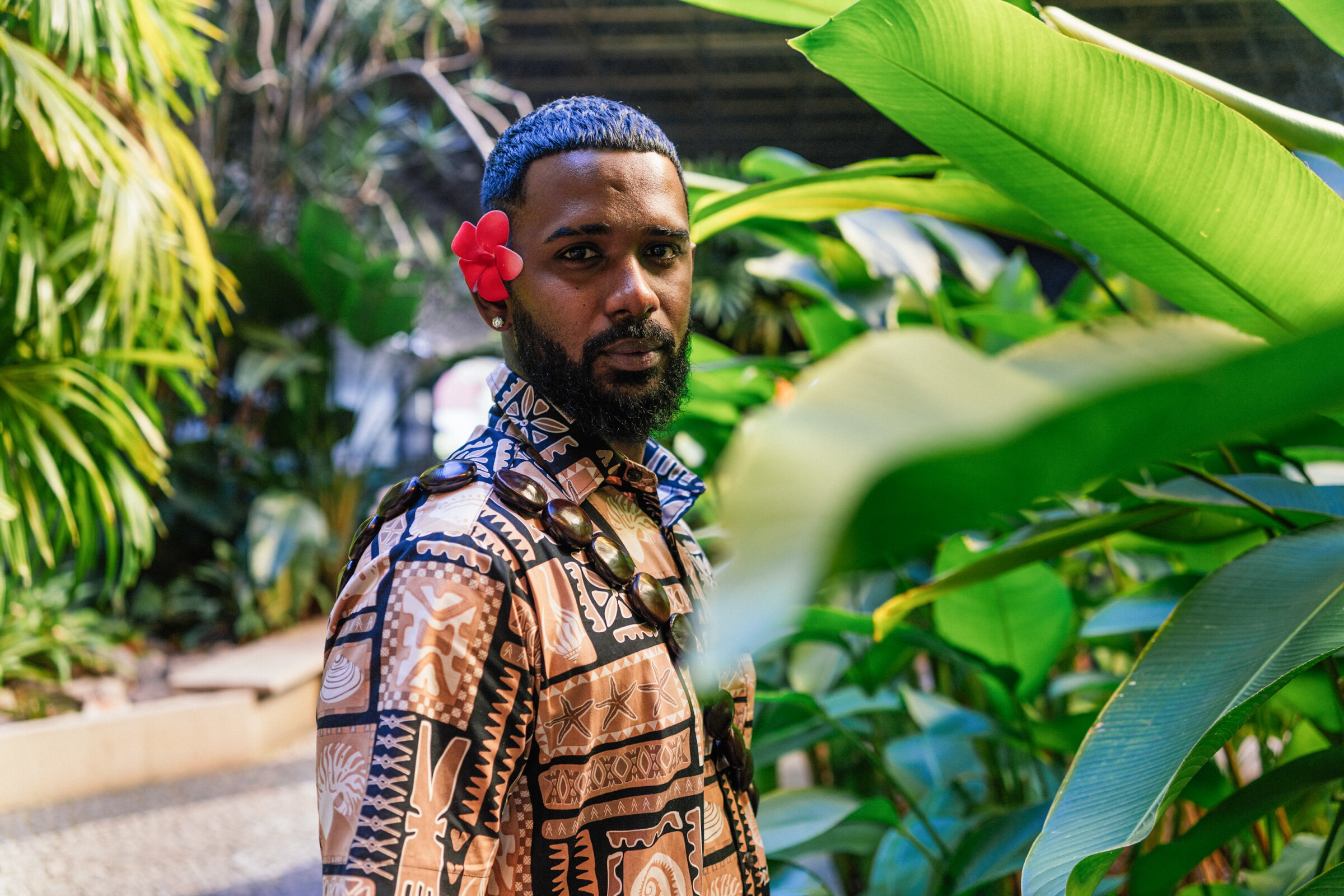
Concerned about rising infections and potential spread across the Pacific, Australia announced a new forty-eight million dollar funding package in August to support Fiji's HIV testing, prevention and treatment programs.
Fifty-nine babies born with HIV in twenty twenty-five
One priority for Australian organizations is making HIV testing available at all antenatal clinics. In twenty twenty-five, fifty-nine babies were born with HIV. Pregnant women who test positive would be placed on antiretrovirals to prevent transmission.
Only half of cases officially diagnosed
Between nine thousand one hundred and twelve thousand people in Fiji are thought to have HIV, but only five thousand six hundred seventy-six cases have been officially diagnosed. Many people lack fixed addresses, making treatment difficult.
Needles sit unused as law blocks distribution
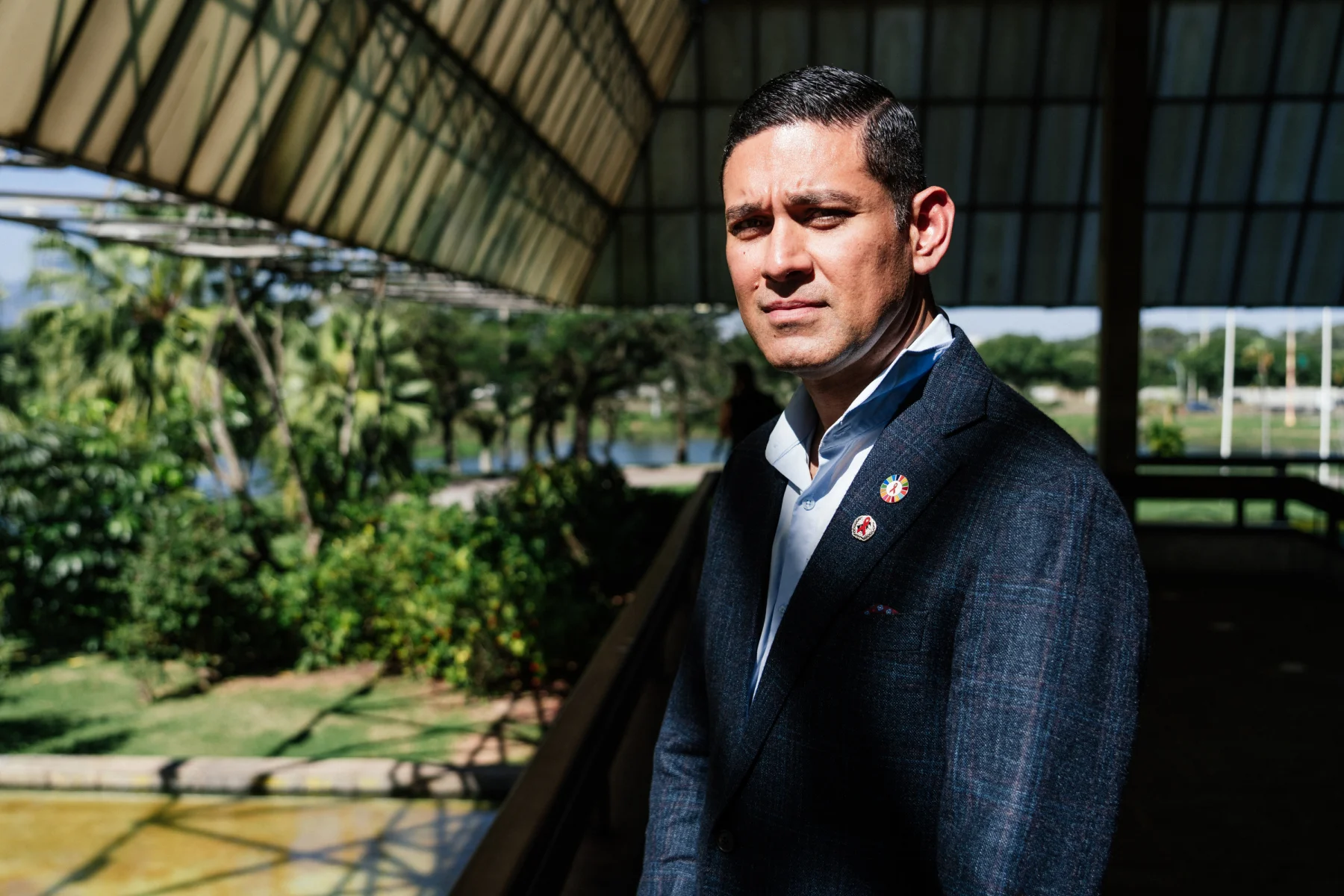
Doctor Sailosi Soqo proposed supplying thousands of sterile needles to methamphetamine users to prevent HIV transmission. The director prosecutor told him distributing them would result in arrest for aiding and abetting. Soqo now has a warehouse full of needles collecting dust.
“If you hand these out, we'll arrest you, and we'll charge you for aiding and abetting.”
Twenty-five thousand cases projected by twenty twenty-nine
If the epidemic continues at its current pace, twenty-five thousand people in Fiji will be living with HIV by twenty twenty-nine. Doctor Sailosi Soqo warns this would push Fiji's fragile health system to the brink of collapse.
“Time is not on our side. With the current numbers, we're already struggling.”
The big picture
Fiji declared a national HIV emergency in September twenty twenty-six after cases rose twelve-fold since twenty ten, with crystal meth use and unsafe injection practices driving transmission among youth.