From NPR · · 1m
Fire amoeba breaks limits of complex life
Scientists discover a single-celled organism that survives extreme heat, challenging what we thought possible for eukaryotic life.
In brief
Scientists discover a single-celled organism that survives extreme heat, challenging what we thought possible for eukaryotic life. Researchers found a heat-resistant amoeba that expands the known boundaries of where complex life can exist on Earth. Originally reported by NPR.
A microbe that thrives in fire
Scientists have discovered an amoeba that survives extreme heat, earning it the nickname fire amoeba.
What makes it different
The fire amoeba is a eukaryote, a complex single-celled organism. Most eukaryotes cannot tolerate the temperatures this one endures.
Pushing the boundaries
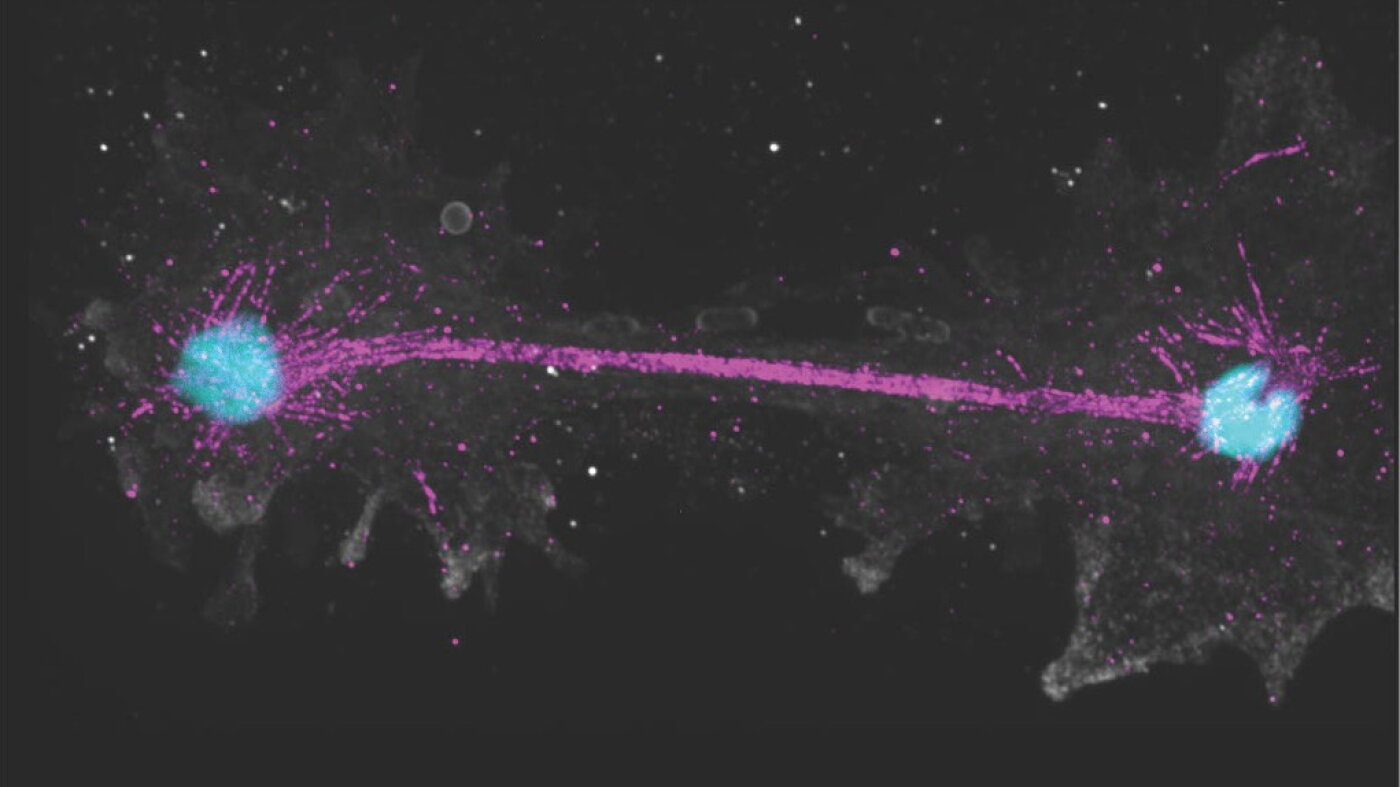
The discovery challenges scientists' understanding of where complex life can exist and survive on Earth.
Expanding what's possible
Finding organisms that thrive in extreme conditions reshapes our knowledge of life's limits and potential habitats.
New questions for science
The fire amoeba opens new research directions into how complex life adapts to hostile environments.
The big picture
Researchers found a heat-resistant amoeba that expands the known boundaries of where complex life can exist on Earth.


