From NPR · · 5m
From pig farm to mushroom farm in Iowa
A family transitions their industrial hog operation to growing specialty mushrooms with help from a nonprofit program.
In brief
A family transitions their industrial hog operation to growing specialty mushrooms with help from a nonprofit program. Farmers can profitably exit industrial animal agriculture by repurposing existing infrastructure for sustainable crops like mushrooms, with technical and financial support. Originally reported by NPR.
Hog barn becomes mushroom factory
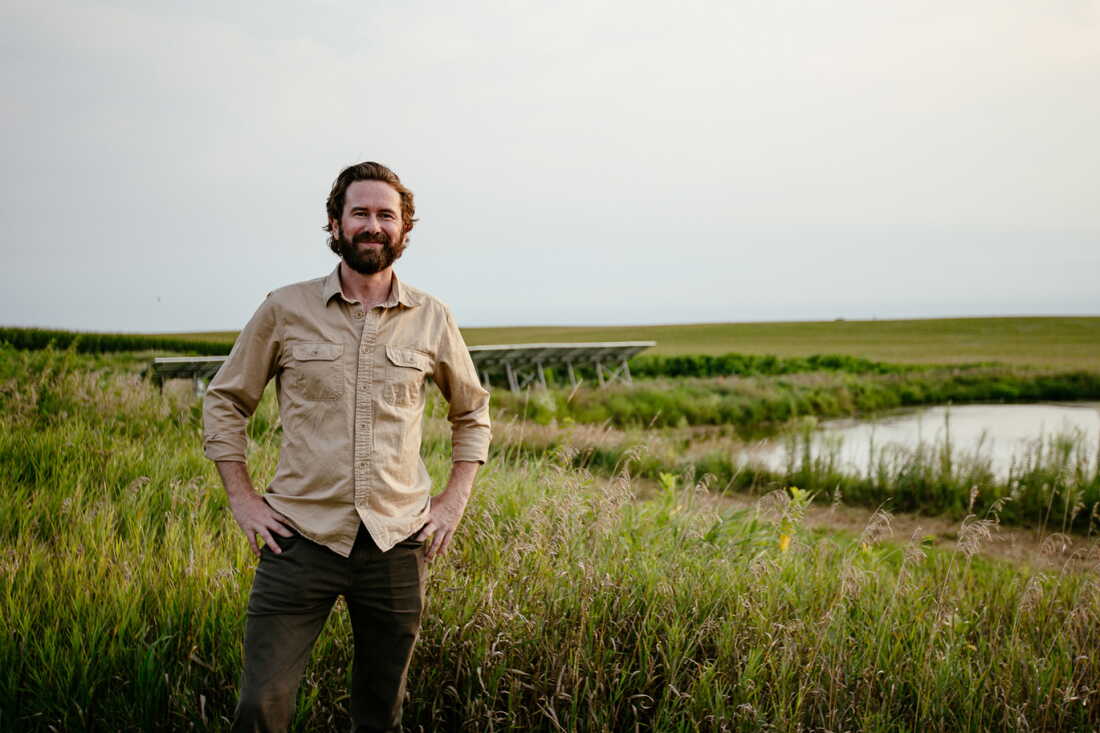
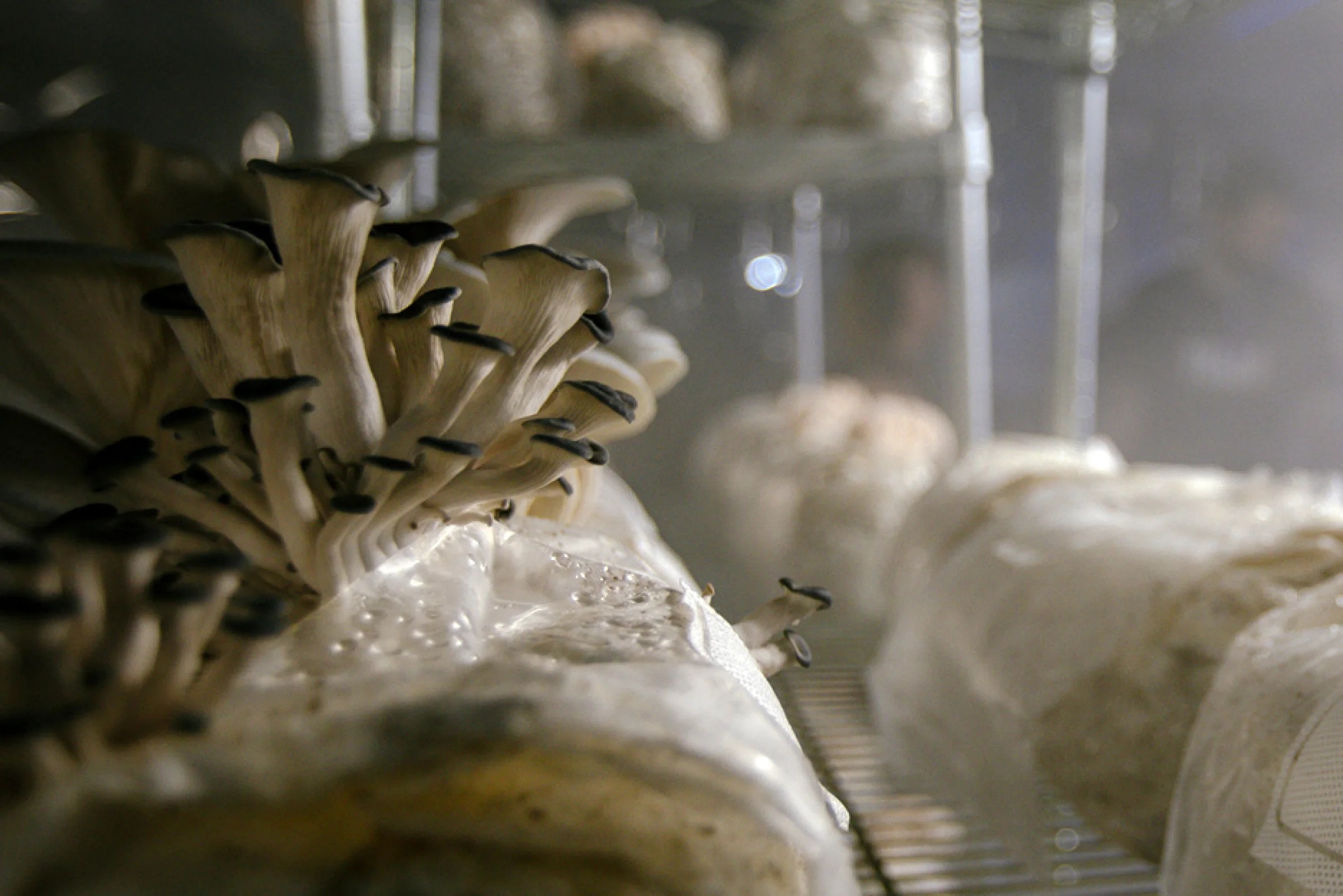
The Faaborg family in central Iowa converted their former pig barns into a specialty mushroom operation, growing lion's mane and other varieties they sell as tinctures, coffee blends and flavored salt.
1100 Farm named for pig capacity
The farm's name references the 1,100 hogs each of their two barns once held for decades before the family decided to transition to a different way of farming.
Transfarmation helps farmers switch
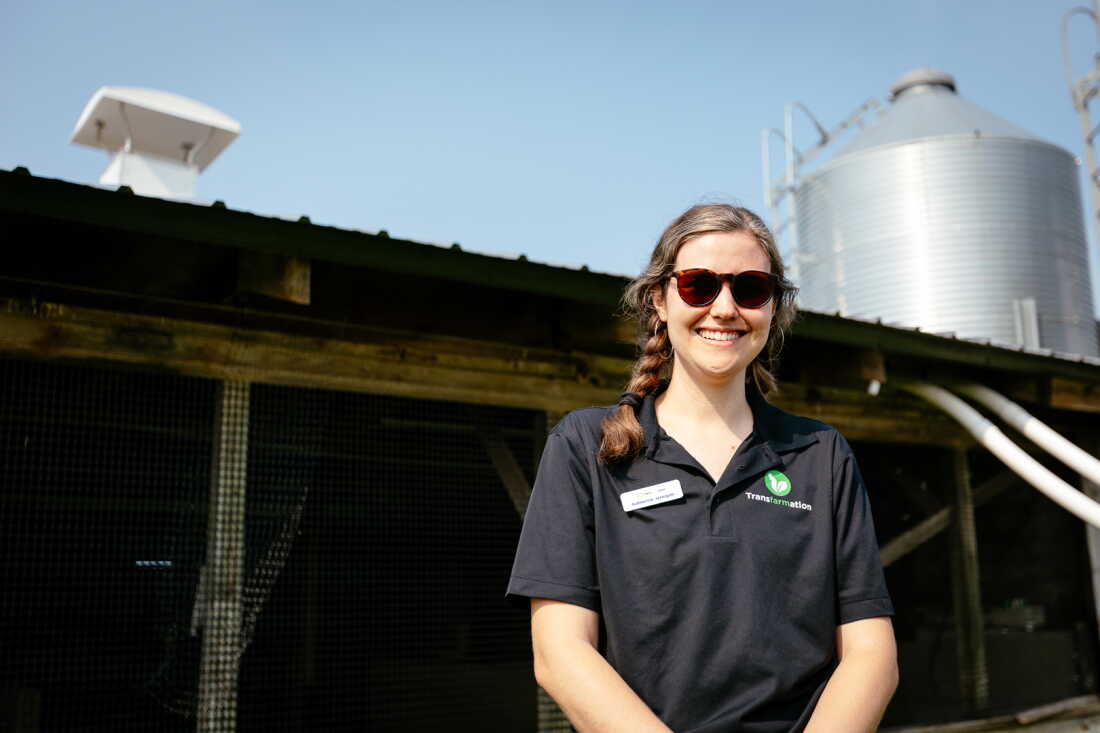
The Transfarmation Project, an initiative of Mercy for Animals, provides technical support, expert networks, and open-source blueprints to help industrial farmers transition to sustainable practices like mushroom growing.
“We're finding ways to repurpose the infrastructure that the farmers already have.”
Retrofitting barns for mushrooms
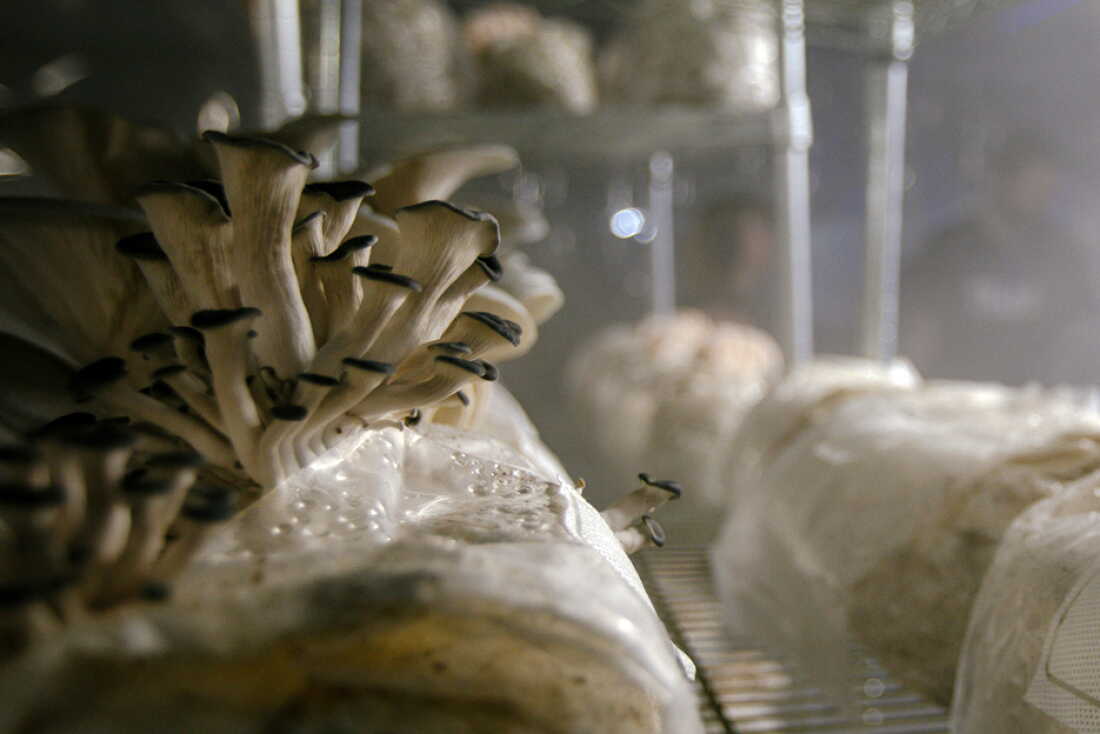
The Faaborgs converted half of one 200-foot-long hog barn this summer, creating climate-controlled fruiting rooms where mushrooms grow on custom-made blocks of soy hull and hardwood pellets.
Demonstration hub for other farmers
The Faaborg farm is Transfarmation's second demonstration hub in the U.S., where other farmers can visit, ask questions, and learn from the family's transition data and production lessons.
Tracking costs and sharing data
The Faaborgs are being paid $216,000 over four years to document their costs, labor hours, product margins and lessons learned, helping other farmers understand the economics of switching crops.
Homesteading dream became industrial farm
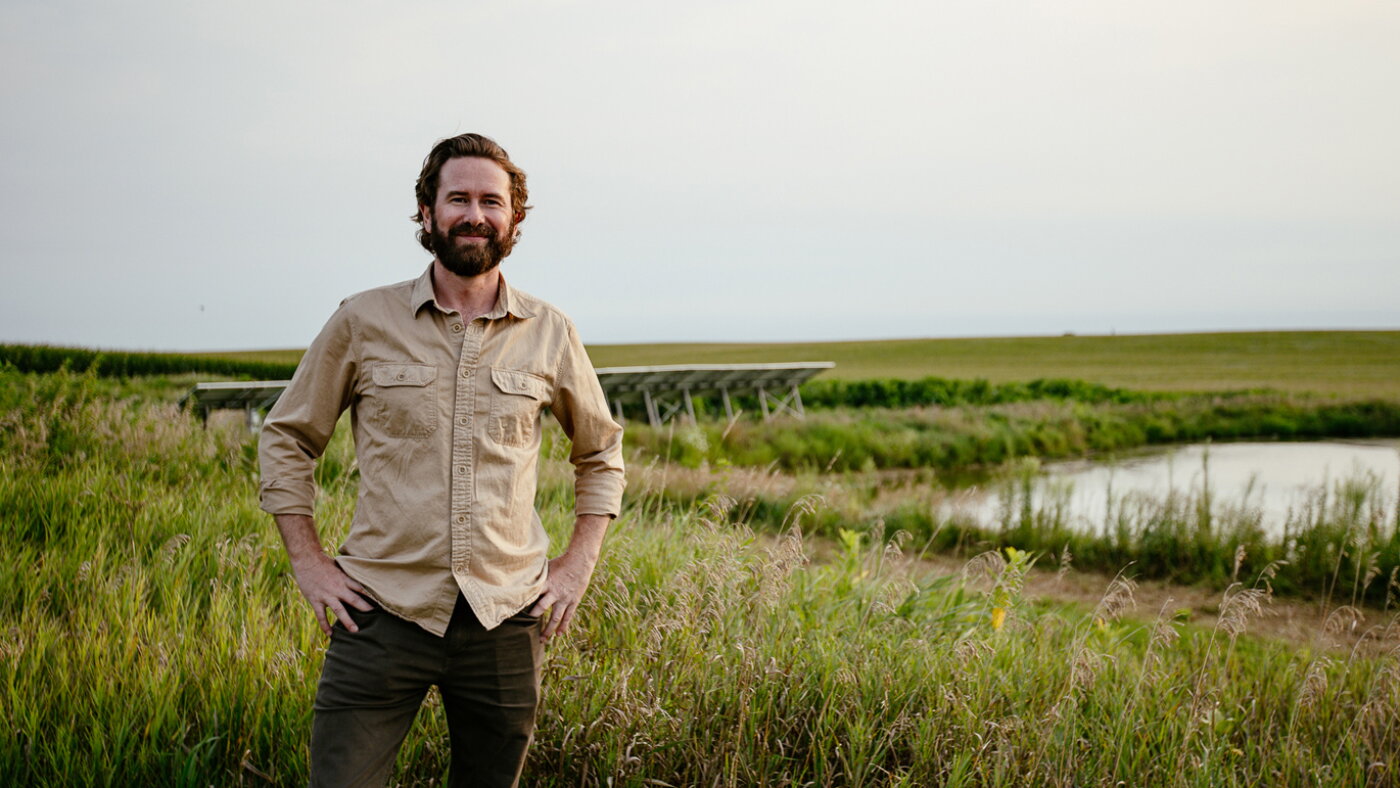
Rand and Tammy Faaborg bought their 25-acre farm in the 1980s wanting a homesteading lifestyle, but after losing money on market hogs, they entered contract feeding and scaled up to a concentrated animal feeding operation.
Contract feeding model explained
Under contract feeding, a company provides animals and feed while the farmer provides labor and infrastructure costs. This arrangement became central to how concentrated animal feeding operations, or CAFOs, function.
Iowa CAFOs exploded in 35 years
Large CAFOs in Iowa grew from 789 in 1990 to 4,444 in 2025, housing roughly 33.4 million hogs across the state according to the Environmental Working Group.
Profitable but grueling work

Rand Faaborg said raising 2,000 hogs at a time was very profitable but required 16 to 24-hour workdays on top of his job as a welder, and the family borrowed $400,000 to build two new barns.
“I was working 16-hour days, sometimes 24-hour days, going to work without even sleeping.”
Hog profits fell as CAFOs multiplied
Over 35 years, Rand Faaborg's welding pay increased tenfold while his hog farming income dropped by two-thirds, which he attributes to the proliferation of CAFOs across Iowa.
“In my day job, my pay over 35 years increased tenfold, and my pay raising hogs dropped by two-thirds.”
Tanner's sustainability awakening
Tanner Faaborg developed a passion for sustainability in college, volunteering with Urban Ambassadors and helping with Des Moines' climate action plan, but felt conflicted helping with pig chores back home.
“I would come back [to the farm] and help out with pig chores and kind of living a double life that I felt terrible about.”
Manure creates climate and water problems
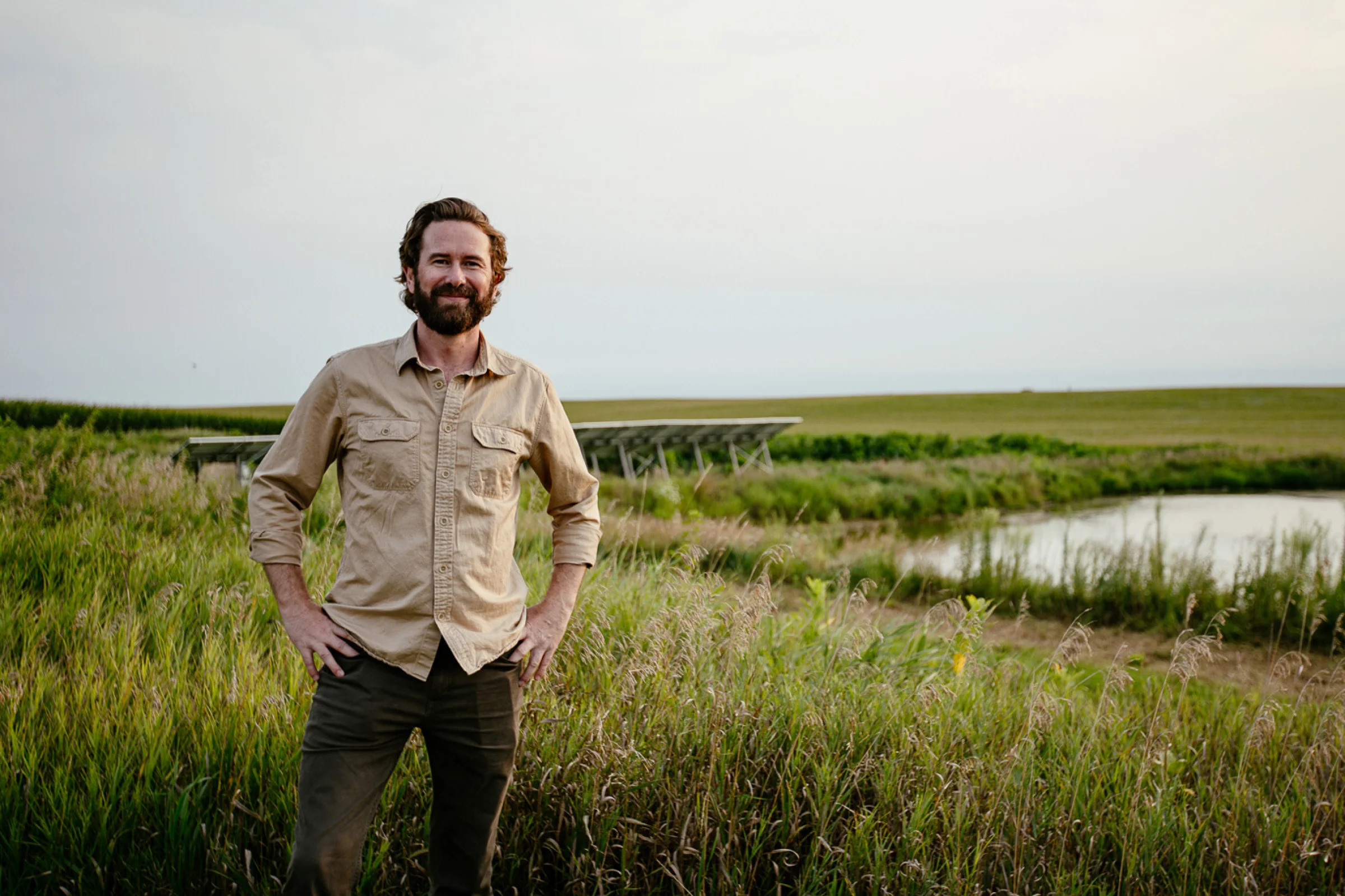
The Faaborgs produced roughly a million gallons of liquid manure yearly. Manure pits release methane, which is 28 times more potent than carbon dioxide, and excess manure pollutes waterways and increases nitrous oxide emissions.
Industrial agriculture reshaping rural Iowa
Tanner Faaborg observed that houses near his childhood home were replaced by turkey and hog barns, and the small school he attended no longer exists because rural communities are losing population every year.
“There's just not enough people. There are small towns and rural communities that are losing population every single year, and it's really devastating.”
Tyler needed convincing to switch
Tyler Faaborg raised and sold around 200,000 hogs yearly across three counties for 25 years, but when his parents decided to exit, he took about a week to decide the physically demanding work wasn't worth continuing.
“I had a good job. I got paid well. But I did it for 25 years. It's really hard on your body.”
Timeline of the transition
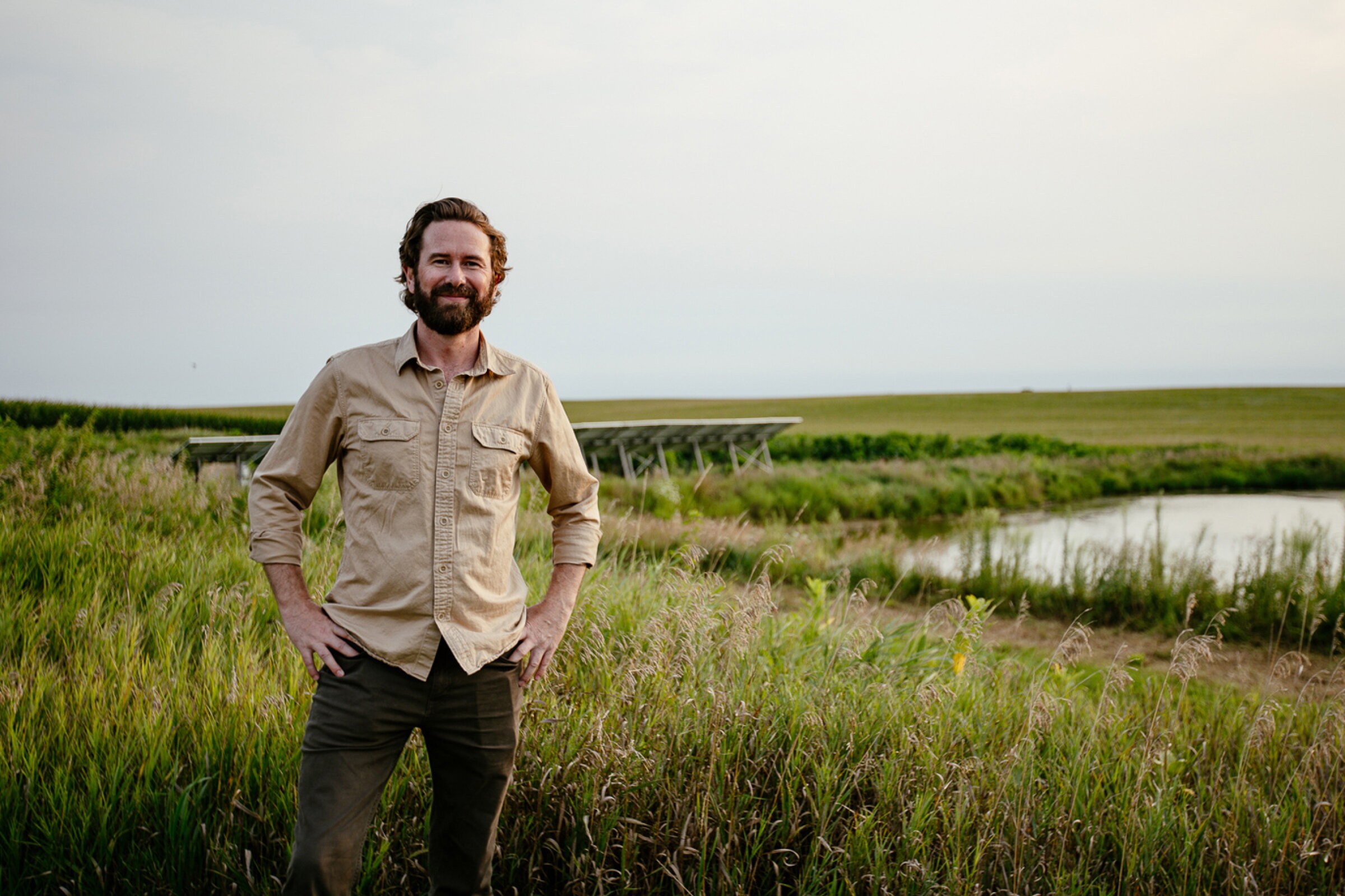
The Faaborgs began working with Transfarmation in 2021, sold their last herd in 2022, received a $15,000 grant in 2023 for a pilot project, and spent roughly $35,000 on site prep, supplies and branding.
Future plans for the farm
Tyler wants to sell fresh mushrooms to companies, and the family could eventually convert the second hog barn, possibly for growing microgreens or other crops.
Manure pit becomes wildlife pond
A Natural Resources Conservation Service grant helped the Faaborgs convert their manure pit into a freshwater pond that now hosts frogs, ducks and other wildlife, becoming Rand's favorite part of the transition.
“My grandkids catch frogs. That's probably been my favorite part of it all.”
Rewilding the landscape
The Faaborgs planted native grasses and flowers for pollinators, expanded their orchard, and are adding hundreds of trees and shrubs by the creek to improve water quality and wildlife habitat.
“It just shows that if you create the right environment, that rewilding can happen faster than you think.”
Vision for visitors and legacy
Tanner Faaborg hopes to convert an old grain silo into an overnight visitor space where guests can wake up to lion's mane coffee overlooking the farm, with projects that could take the rest of his life to complete.
The essence
Farmers can profitably exit industrial animal agriculture by repurposing existing infrastructure for sustainable crops like mushrooms, with technical and financial support.