From NPR · · 3m
He smuggled 60 years of Palestinian life to Scotland
Raja Shehadeh kept a diary from 1967 on, then spent two years quietly moving it out of Ramallah before soldiers could find it.
In brief
Raja Shehadeh kept a diary from 1967 on, then spent two years quietly moving it out of Ramallah before soldiers could find it. Shehadeh believes his diaries will do more for human rights and truth than his 20 books, because they show how things actually happened, day by day. Originally reported by NPR.
A diary older than the occupation
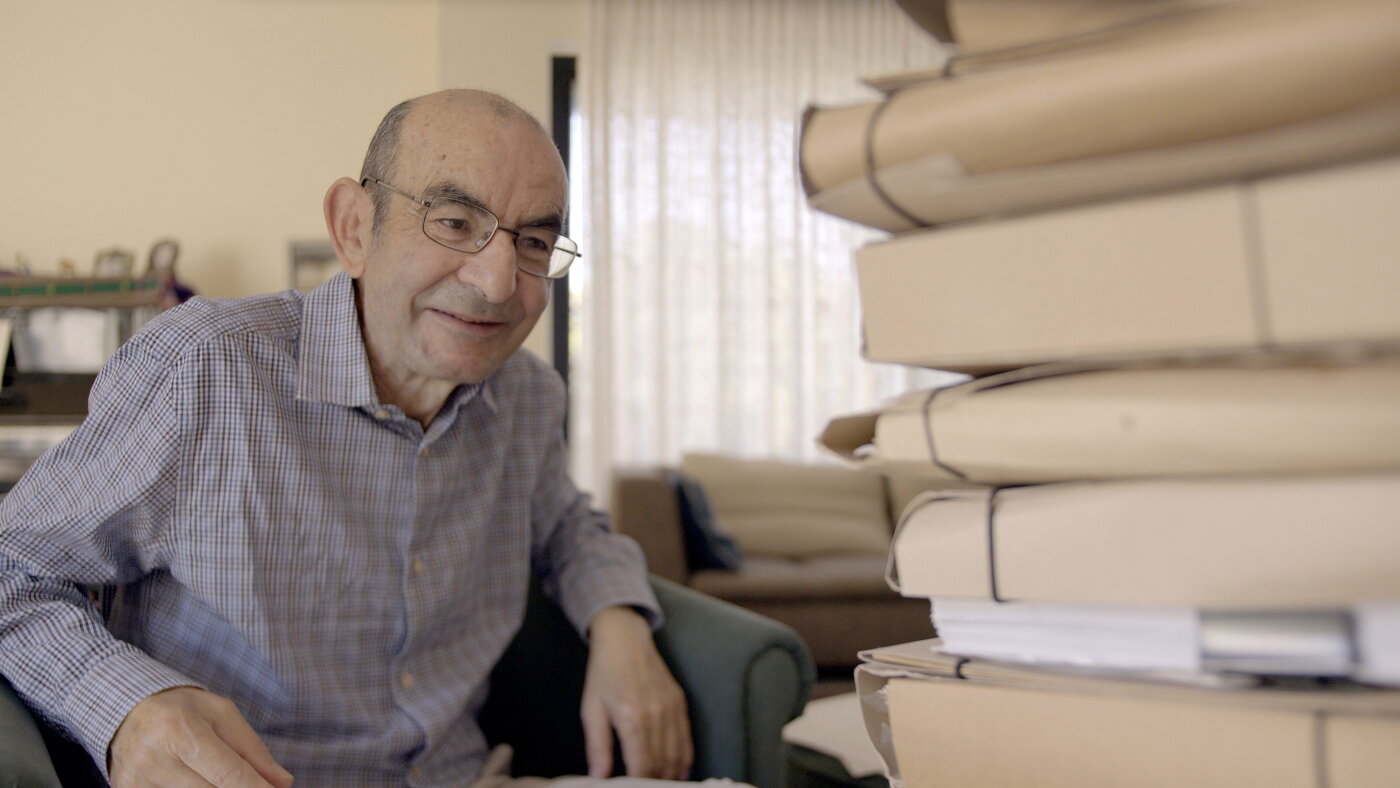
Raja Shehadeh started writing at fifteen, just before Israel occupied the West Bank in 1967. He is 75 now and has never really stopped.
“I was feeling that we are entering into a historic period that needs to be documented.”
Twenty books, one private one
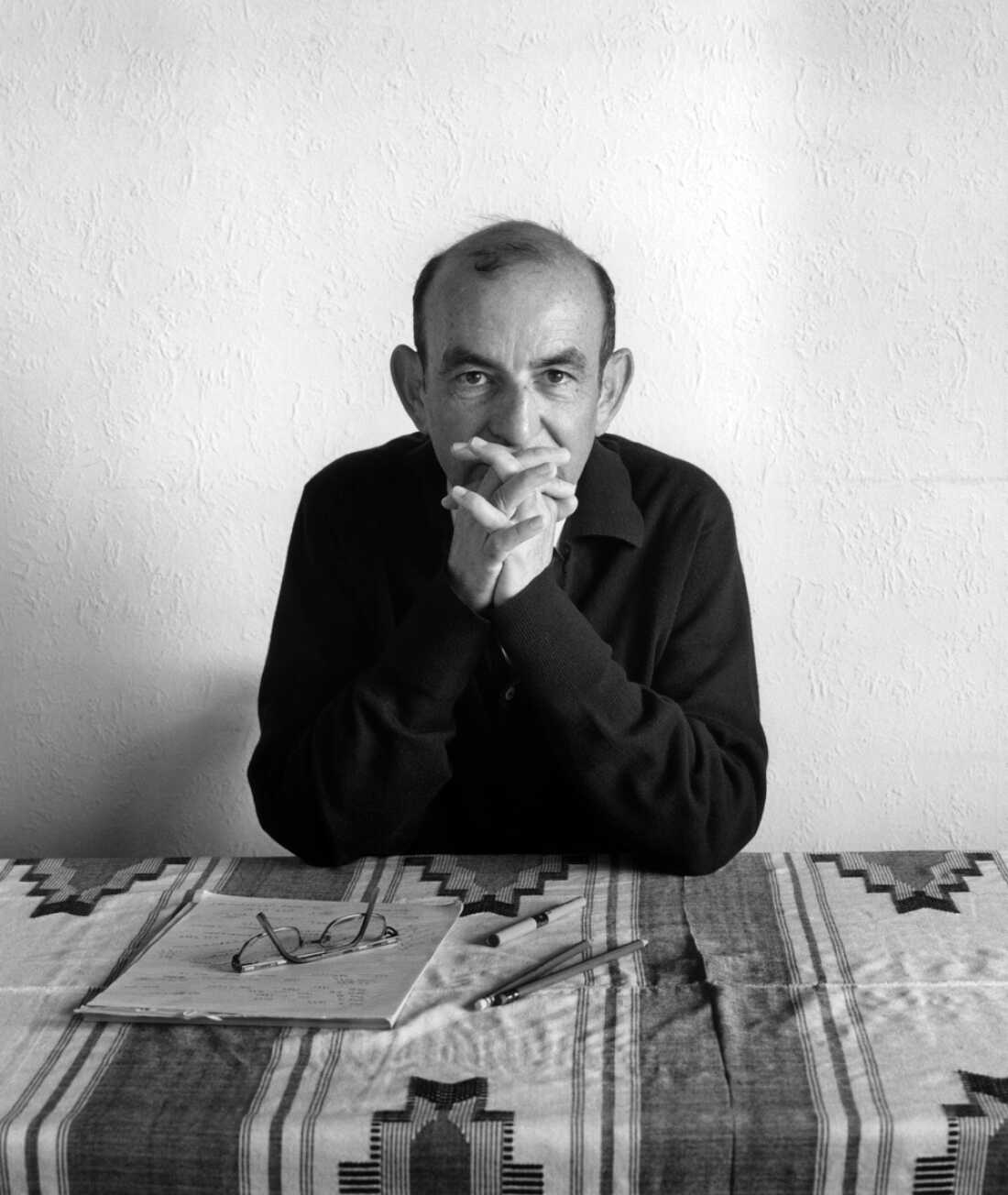
He is the best known Palestinian writer alive, with more than 20 published books. The diaries are the work he most wanted to save.
A front row seat
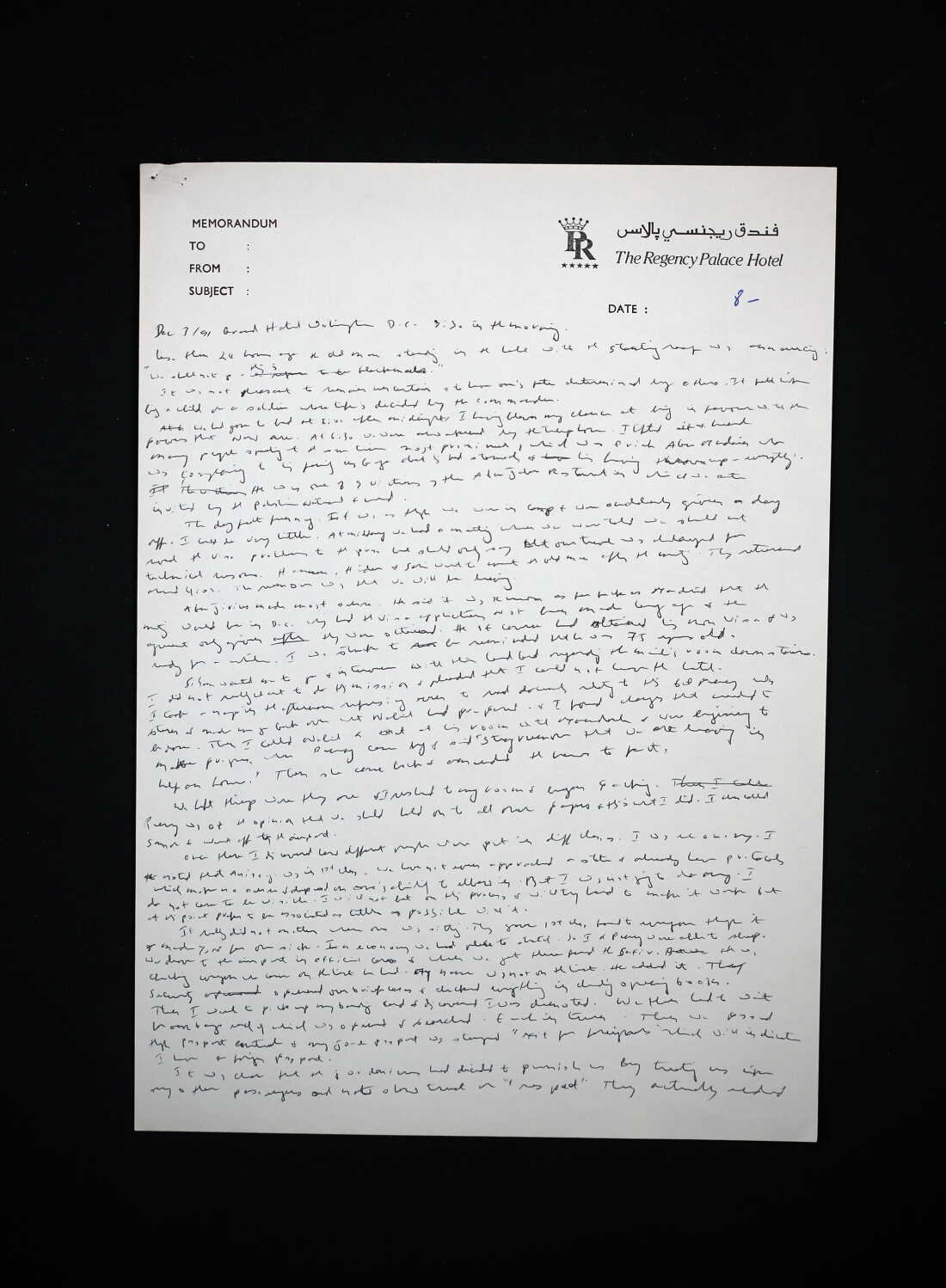
The pages hold meetings with world leaders, his cases as a human rights lawyer, and his years advising Palestinian negotiators across the table from Israel.
Kept in a garage
Decades of notebooks and papers sat in his garage in Ramallah. Soldiers had already entered his house once.
“They would just throw them all over the place and maybe set fire to them.”
Writing to understand
The daily habit was never about craft. He wrote to work out what was happening to him and to the place around him.
“Describing my world in words helped me grasp it better.”
Ramallah under curfew, 2002
During Israel's invasion at the height of the Intifada, he woke through the night to bombing and shooting, then paced the house to exercise.
“I am beginning to feel like a prisoner in the house, in solitary confinement.”
Two tanks like elephants
When the curfew lifted he drove into an empty city, past dirt and stones and fog, and found armour parked across his office street.
“How big they look, like elephants in a zoo where they don't belong.”
Anger he never published
After the 1990s peace accords his entries filled with fury at Palestinian leaders. Keeping it on the page let him stay in Palestine.
“The diary played an important role in helping me vent that frustration without getting myself into trouble.”
The settlements were the point
His charge against the leadership is specific. No agreement should have been signed without a full stop to settlement building, and they signed anyway.
Mapping a land being redrawn
He walked the West Bank hills for years, then came home and recorded the new roads, the new settlements, the changed shape of the landscape.
Archives have been burned before
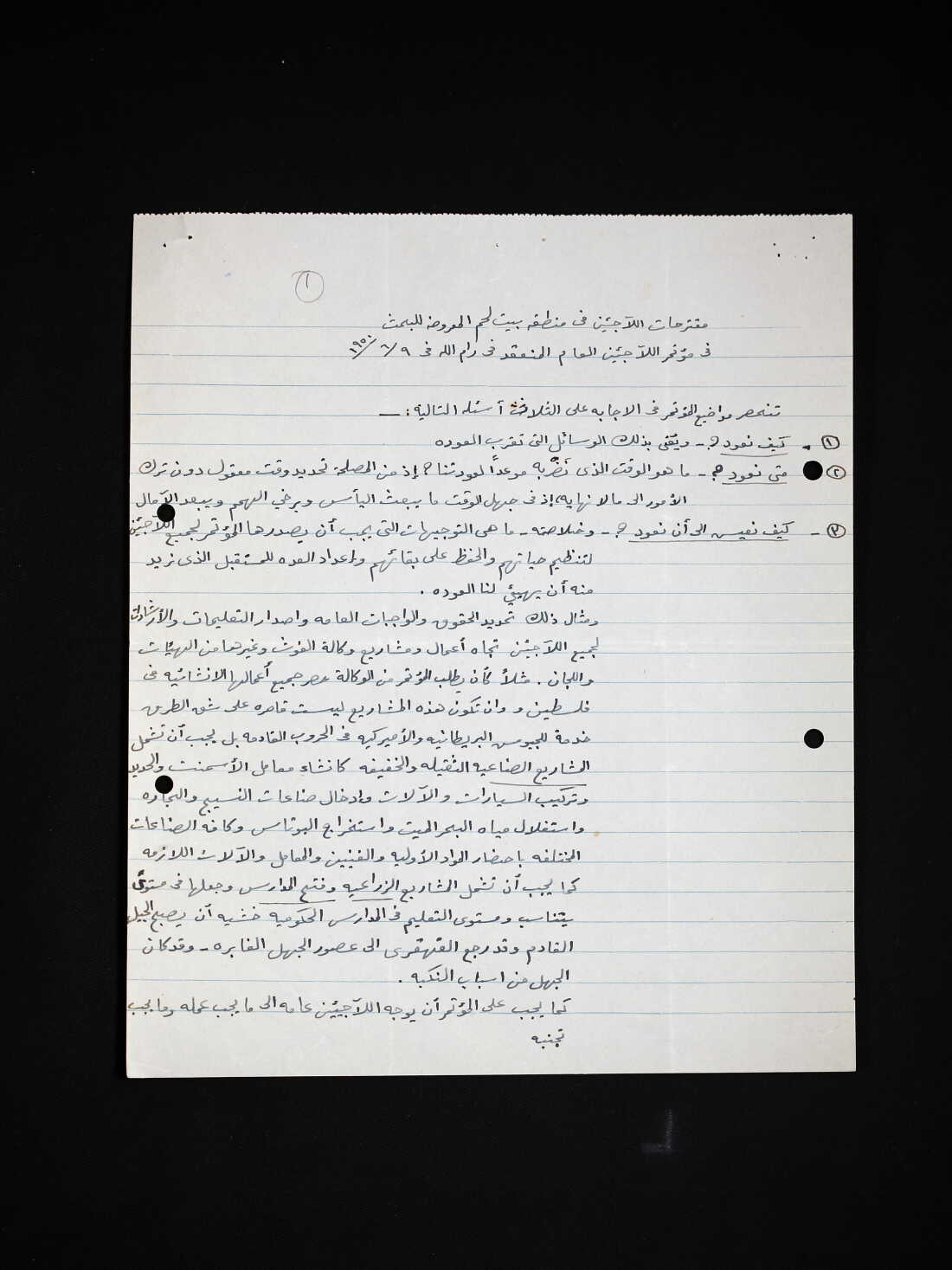
Palestinian journals vanished in the Nakba of 1948. Beirut's Palestine Research Center was emptied in 1982. Private papers were destroyed in Ramallah in 2002.
Gaza changed the calculation
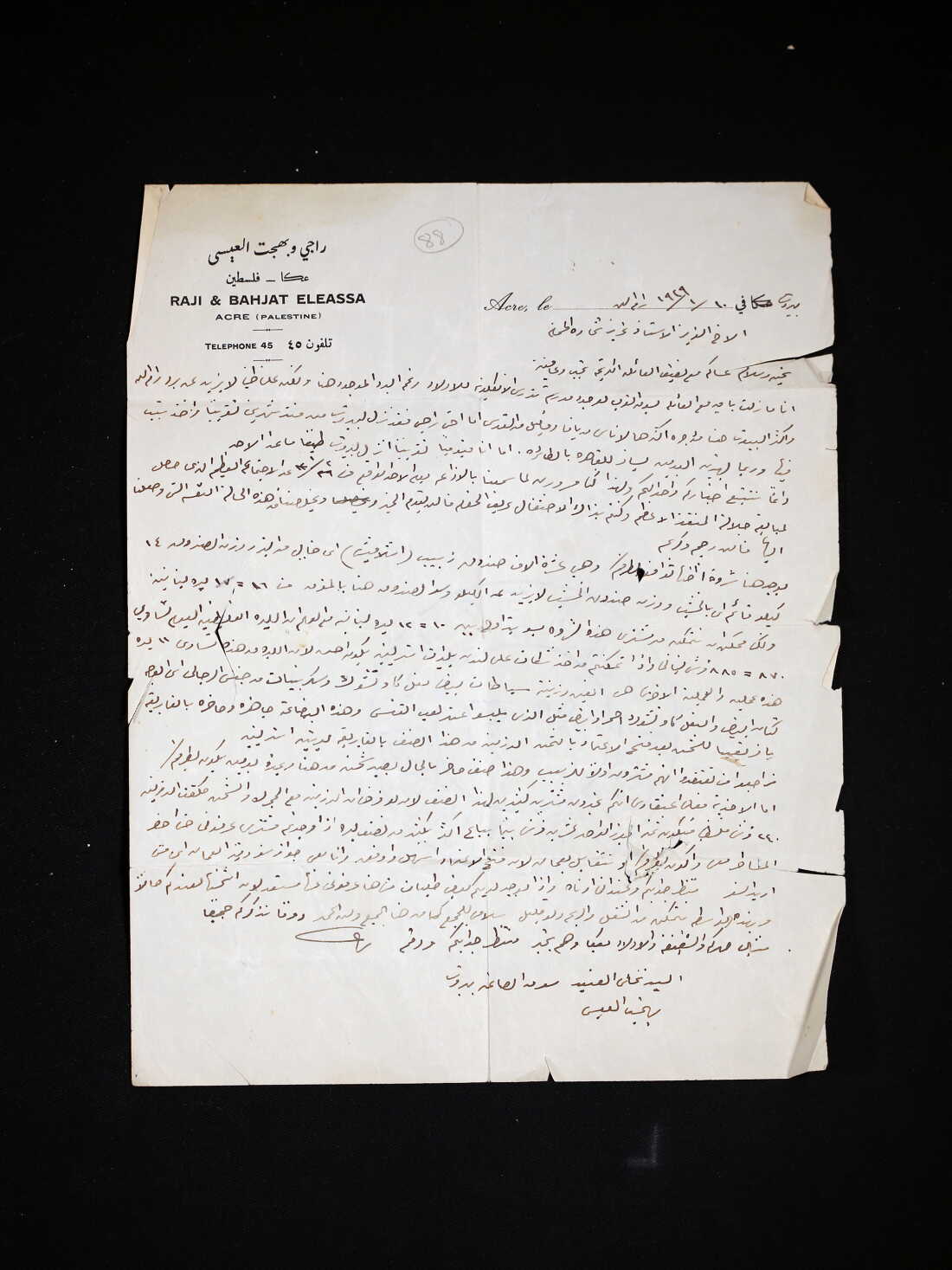
Watching archives destroyed in the 2023 war, he decided waiting was no longer an option and started planning how to get his out.
“I must do something to preserve these diaries.”
Scan every page, then post it
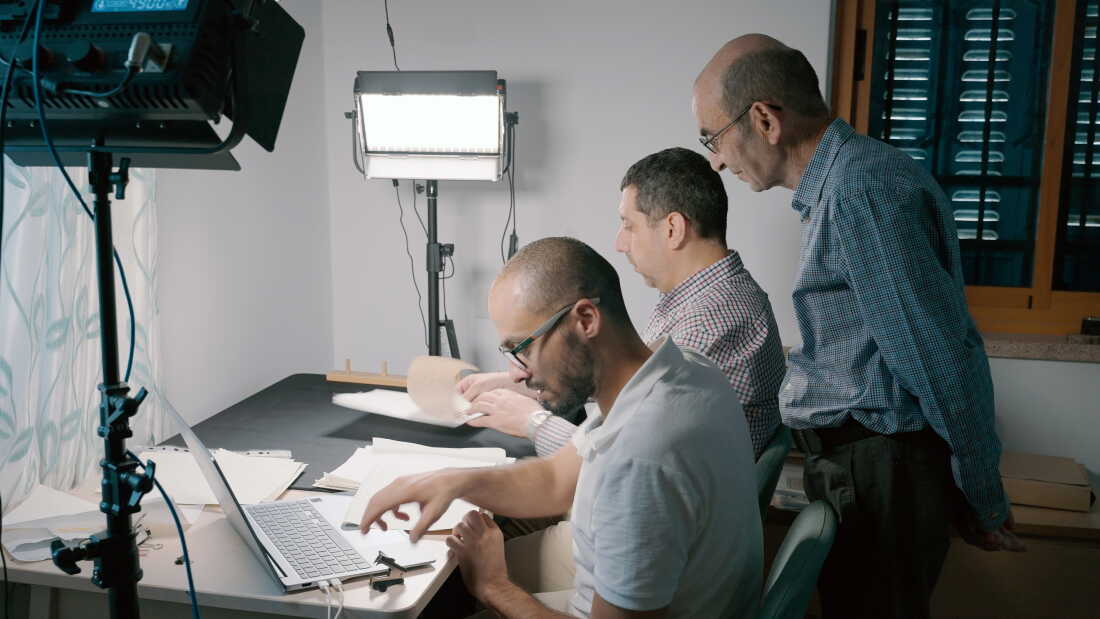
Three people worked day and night digitizing to archival standard with Edinburgh and Exeter. Then the originals went out slowly, by ordinary mail, nothing to notice.
A forty year murder file
His father Aziz, a prominent lawyer, was killed in 1985. The archive tracks Shehadeh's push to get the police to investigate, all the way to 2025.
The suspect nobody questioned
The files he finally obtained showed the man who had sent a death threat from prison was never investigated. Shehadeh believes he was a protected collaborator.
“It gave me closure.”
Sumud, and what comes after
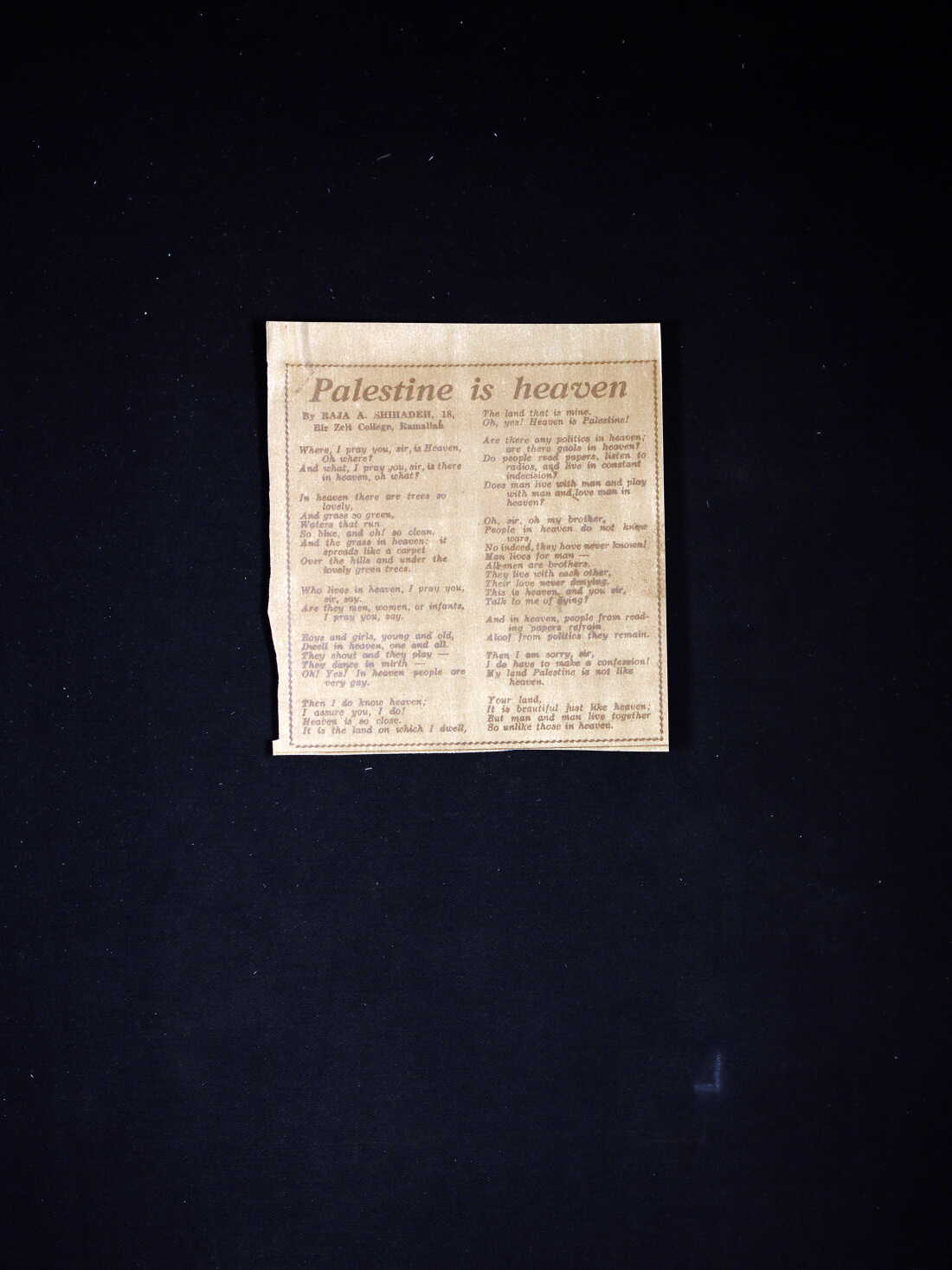
His answer has always been steadfastness: stay put, build institutions, make clear you are not leaving. The diaries, now online, are the long version of that argument.
“The diaries might bring about the results that I haven't been able to achieve in any other way.”
At a glance
Shehadeh believes his diaries will do more for human rights and truth than his 20 books, because they show how things actually happened, day by day.


