From NPR · · 3m
How the Fed's interest rate actually works
The Federal Reserve just raised rates for the first time this year. Here's what that means for your wallet and the economy.
In brief
The Federal Reserve just raised rates for the first time this year. Here's what that means for your wallet and the economy. When the Fed raises interest rates, it makes borrowing more expensive across the economy to cool down inflation, even though it causes short-term pain for households. Originally reported by NPR.
The Fed's two main jobs
The Federal Reserve must keep prices stable and ensure maximum employment. These goals sometimes conflict, forcing policymakers to choose which one to prioritize.
When goals collide
Sometimes inflation and employment are both healthy. But often the Fed faces an agonizing choice between cooling prices or supporting jobs when both are flashing warning signs.
Interest rates are the main tool
The Fed has several tools to influence the economy, but the interest rate is the most important. It doesn't directly control mortgage or credit card rates, but raising its own rate creates a domino effect across the economy.
Raising rates cools the economy
When inflation runs hot, the Fed raises rates to apply the brakes. Higher borrowing costs make people and businesses think twice about spending, which helps cool down prices.
Cutting rates accelerates growth
When the Fed wants to boost economic activity, it cuts rates to press the accelerator. Lower borrowing costs encourage spending and investment.
The pandemic rate cut example
During COVID-19, Fed Chair Jerome Powell slashed rates to near zero to encourage lending and spending. It worked until inflation climbed, forcing the Fed to reverse course and start raising rates.
Why the Fed is raising rates now
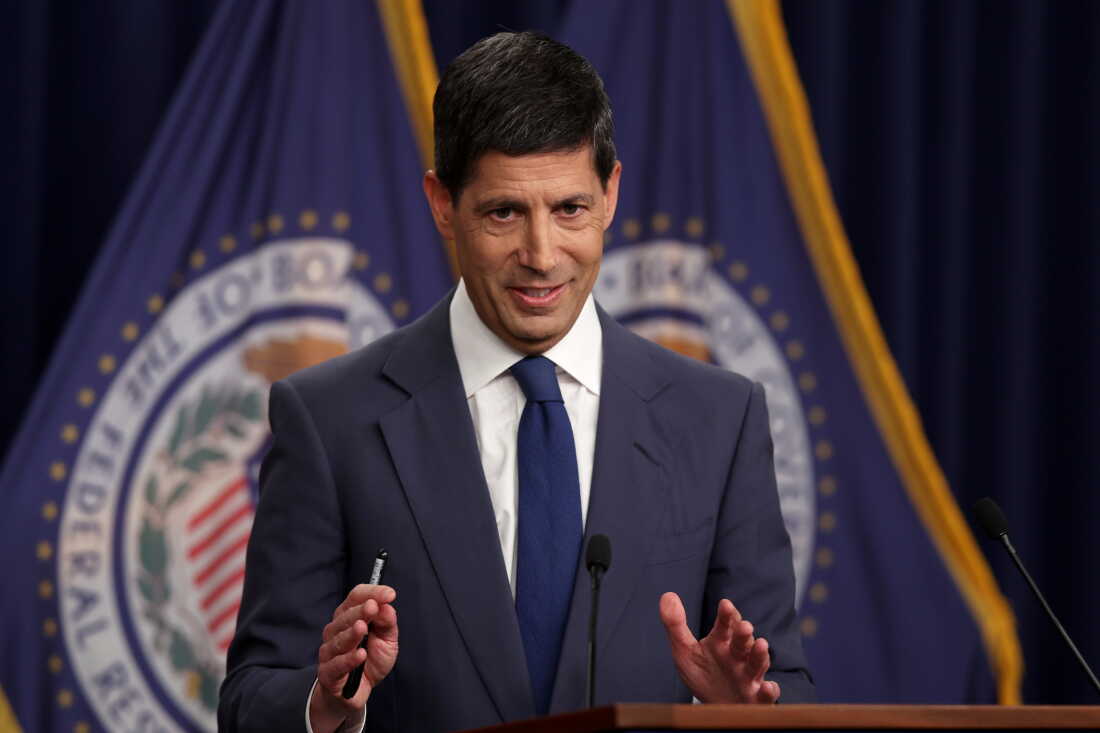
Inflation has run above the Fed's 2% target for five years. Fed Chair Kevin Warsh says inflation is too high and has been too long, and the economy is strong enough to absorb a rate hike.
“The plain fact is that inflation is too high and has been for too long.”
Mortgage costs jump immediately
The average 30-year mortgage rate jumped to 6.95% this week, up almost two-tenths of a percent. This adds hundreds of dollars monthly to home loans and stalls the already struggling housing market.
Credit card costs rise modestly
Higher rates also increase credit card balances and Buy Now Pay Later costs, though less dramatically than mortgages. Someone with seven thousand dollars in credit card debt would pay just a few extra dollars monthly.
Relief won't come quickly

The Fed's rate hike is small, but it comes as borrowing costs are already rising. The Fed plans one more rate increase this year before holding steady in 2027, and inflation relief may take months.
No quick fixes to inflation
The Fed is hoping near-term pain for households will be worth it if rates eventually bring down inflation. But external forces like Middle East conflict pushing up energy costs complicate the outlook.
What matters most
When the Fed raises interest rates, it makes borrowing more expensive across the economy to cool down inflation, even though it causes short-term pain for households.





