From NPR · · 1m 10s
Human brain cells in mice raise ethics questions
Scientists are creating mice with human brain cells to study disease, but ethicists worry about the moral implications.
In brief
Scientists are creating mice with human brain cells to study disease, but ethicists worry about the moral implications. As research advances, we need clear ethical guidelines for experiments that blend human and animal biology. Originally reported by NPR.
Quick answers
- What makes them different?
- The presence of human brain cells raises questions about whether these mice might develop human-like consciousness or cognitive abilities, and what responsibilities that creates.
- What is the key takeaway from Human brain cells in mice raise ethics questions?
- As research advances, we need clear ethical guidelines for experiments that blend human and animal biology.
Scientists create hybrid mice
Researchers are implanting human brain cells into mice to study how diseases develop and progress in living organisms.
A powerful research tool
These hybrid mice allow scientists to test treatments and understand disease mechanisms in a living system that's more similar to human biology than traditional lab mice.
Ethicists raise concerns
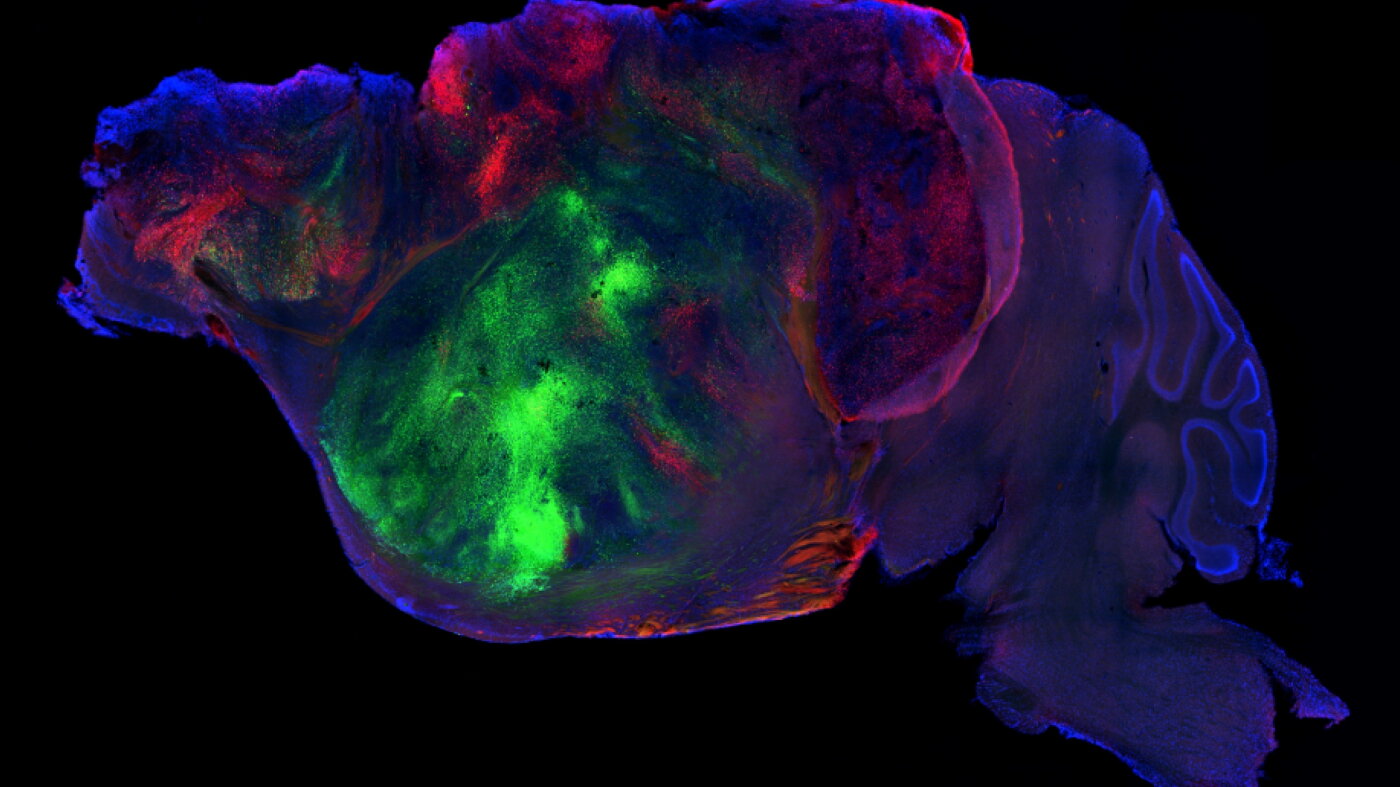
As the technology advances, bioethicists are asking difficult questions about the moral status of these animals and what limits should exist on human-animal hybrid research.
What makes them different?
The presence of human brain cells raises questions about whether these mice might develop human-like consciousness or cognitive abilities, and what responsibilities that creates.
Guidelines needed now
Researchers and ethicists agree that clear regulations and oversight are essential before this technology expands further into other animal models and more complex human-animal combinations.
The headline
As research advances, we need clear ethical guidelines for experiments that blend human and animal biology.


