From NPR · · 3m
Land swap on Cumberland Island stirs fierce debate
The National Park Service proposes trading public land to Carnegie descendants for private homes, sparking conflict over wilderness preservation.
In brief
The National Park Service proposes trading public land to Carnegie descendants for private homes, sparking conflict over wilderness preservation. The National Park Service proposed a land swap with Carnegie descendants on Cumberland Island that would allow eight new private homes on currently protected parkland…
An island of wild beauty
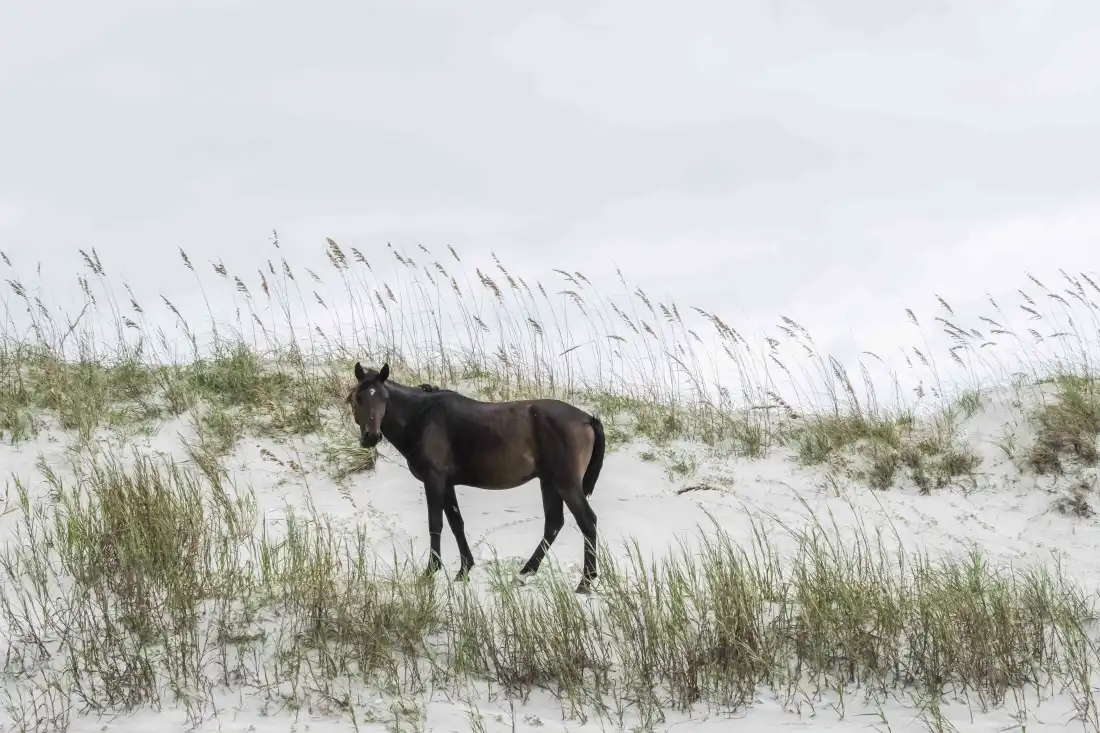
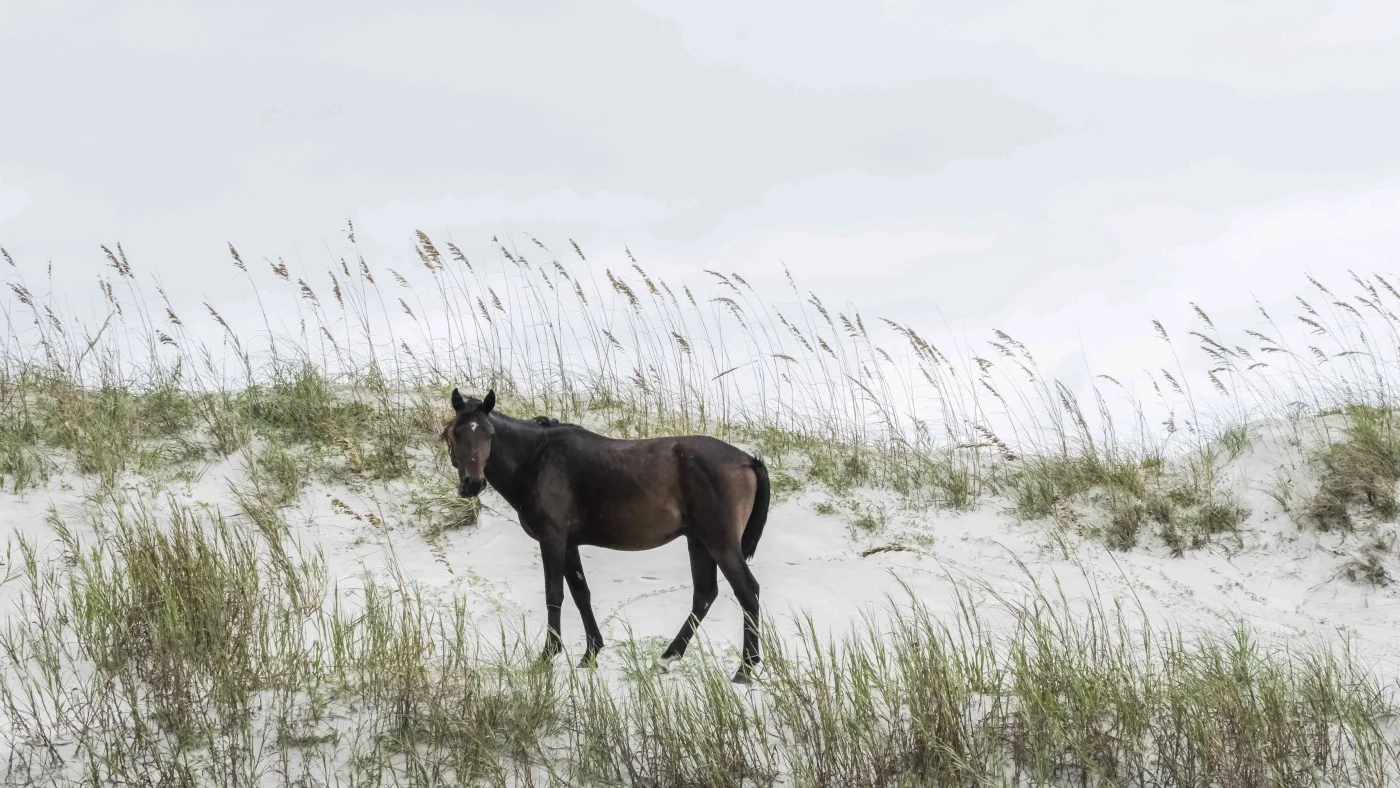
Cumberland Island is an eighteen mile barrier island off Georgia with wild horses, feral hogs and deer. It includes salt marshes, maritime forests and pristine beach accessible only by ferry.
Protected since nineteen seventy-two
The National Park Service has managed Cumberland Island National Seashore since nineteen seventy-two, protecting roughly nine thousand eight hundred acres of wilderness Congress designated to be permanently preserved in its primitive state.
Carnegie legacy on the island
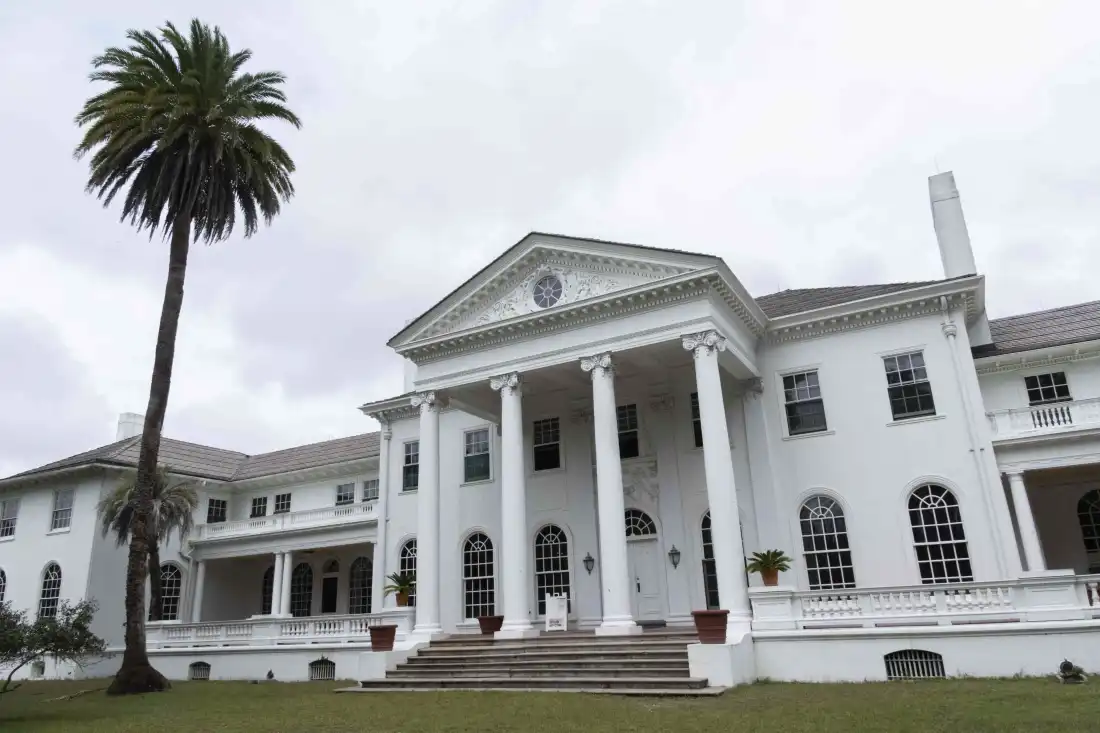
Gilded Age industrialist Thomas Carnegie and his wife Lucy built opulent homes on Cumberland Island and had nine children. Their descendants still live or vacation on private property there today.
The park service proposes a swap
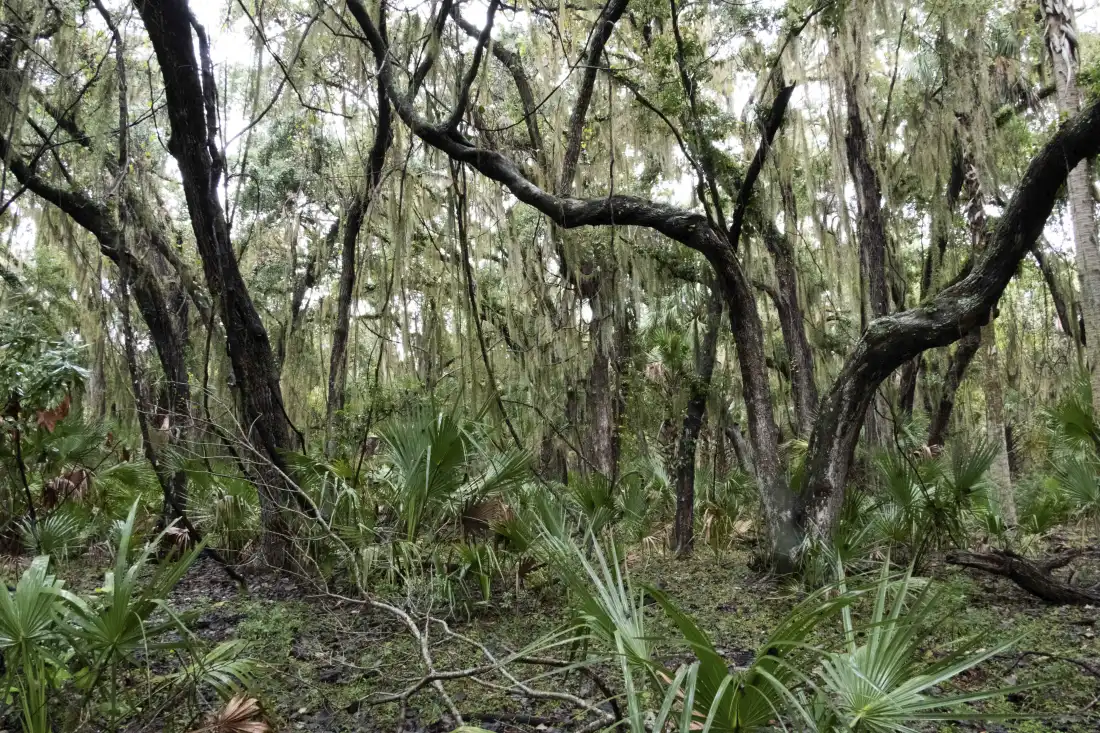
The National Park Service proposed a land swap with Carnegie descendants that would hand over parkland on the island's west side for construction of up to eight new private homes.
Park superintendent defends the plan
Park superintendent Melissa Trenchik says the swap consolidates private ownership on the west side so the park can better protect natural and cultural resources on the Atlantic beachside, including sensitive coastal and wilderness areas.
Public response was substantial
The National Park Service received more than twelve thousand five hundred public comments on the proposal, indicating significant public interest in the land swap decision.
Homes would have restrictions
The eight new homes would be subject to permanent conservation limits and could not exceed thirty five feet in height.
Critics call them McMansions
Joseph Manning, an attorney with Defenders of Wildlife, a Washington D.C. based conservation group fighting the deal, says the homes are McMansions despite restrictions.
“We're swapping for McMansions”
Part of a broader pattern
Manning sees the Cumberland swap as the latest Trump Administration attempt to privatize public lands, pointing to proposals involving a baseball park in Grand Teton, a land exchange in Yosemite, and repeated shrinkage of Bears…
Carnegie family defends their role
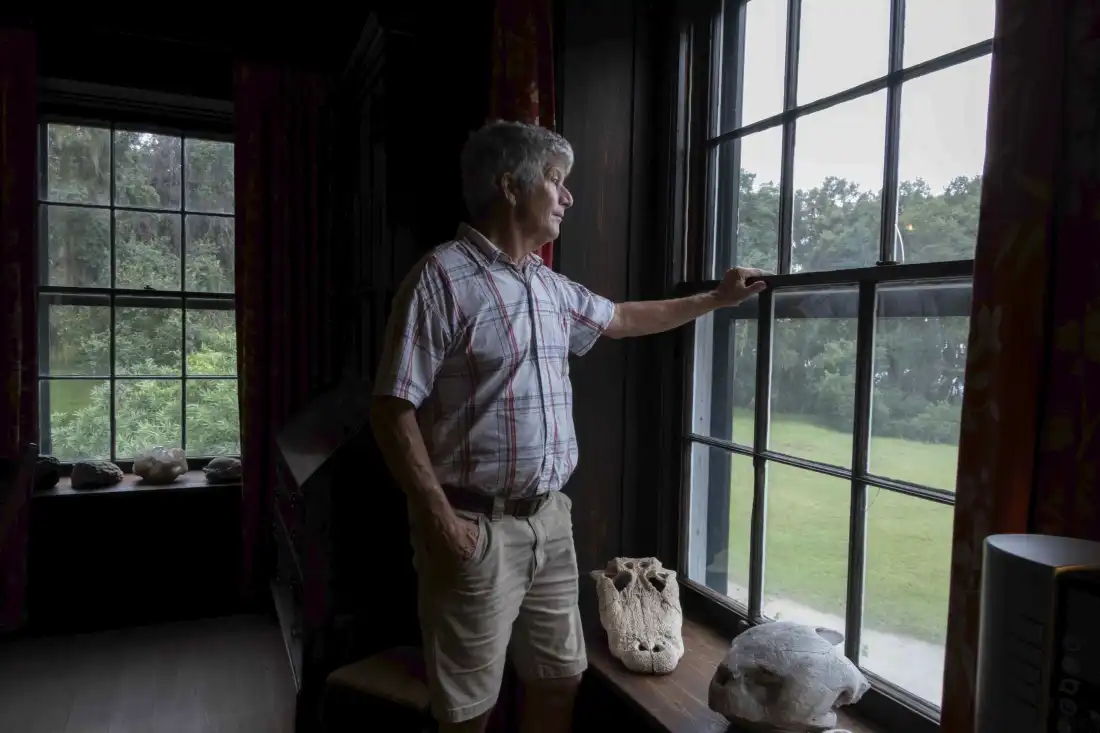
Barclay McFadden, a great-great-grandson of Thomas Carnegie, says his family has been wonderful stewards of the island for five generations and protected it from developers in the nineteen seventies when they could have sold to…
“We have been wonderful stewards of the island, and we have taken care of the island”
A sacred family place
McFadden says five generations of his family have been buried on the island in a family cemetery.
“Five generations have been buried there. We have a family cemetery. It's still there. That's where I'll go”
The Chimneys and cultural history
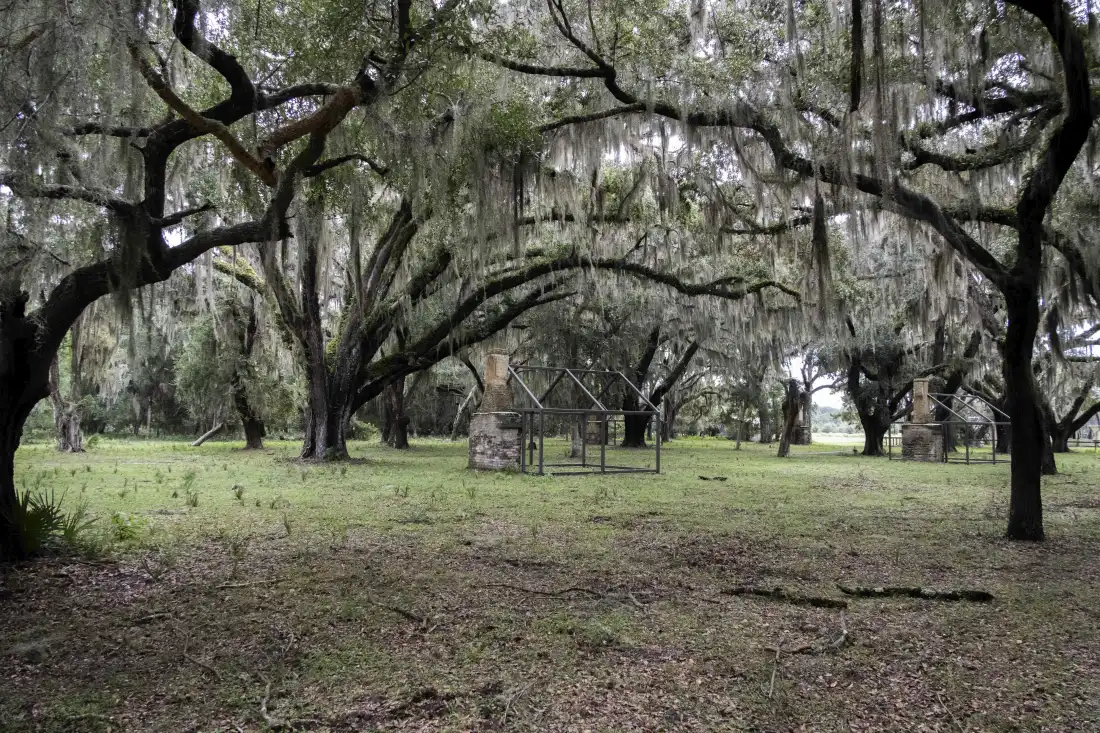
Jamie Ferguson, a Carnegie descendant and family historian, says the swap offers greater visitor access to The Chimneys, where remnants of about two dozen brick and tabby chimneys mark where enslaved workers lived on an…
Naturalist opposes the swap
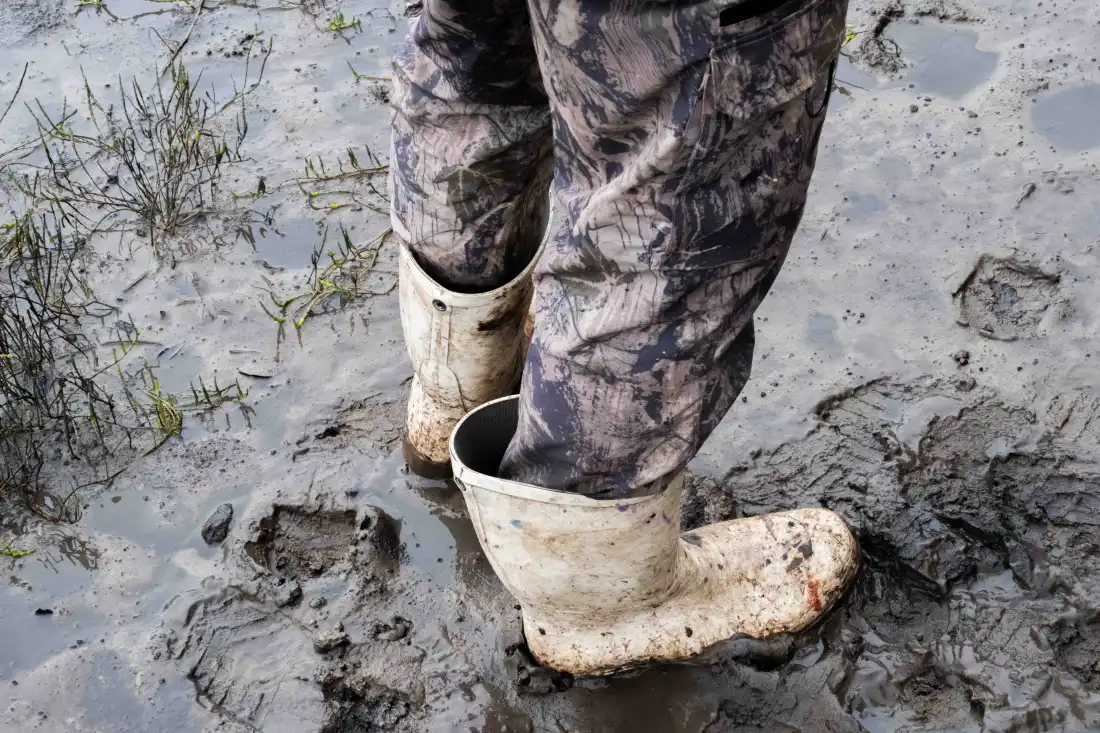
Carol Rucksdeschel, who has lived on the island for more than fifty years, opposes the swap as the first step toward greater development.
Wilderness should overtake humans
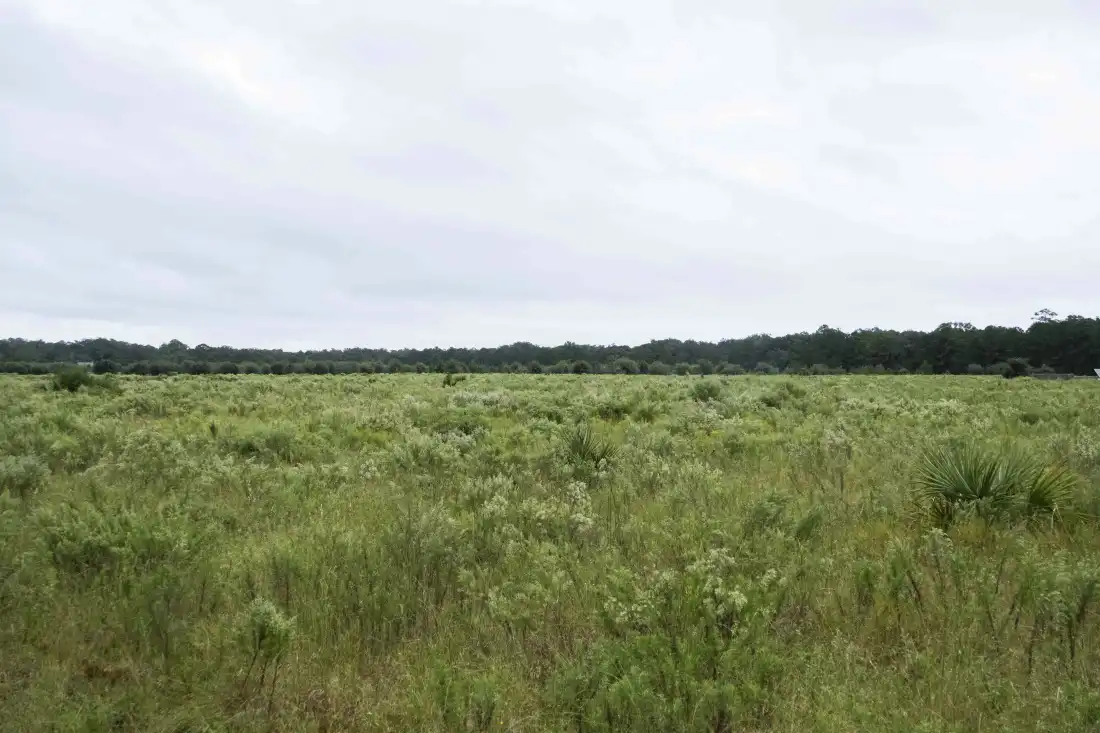
Rucksdeschel worries more homes and visitors will disturb what the island should be, a pure primitive wilderness where nature overtakes what humans have left behind.
“And that's what I would have loved to have seen the whole island do. And then people die out, places go back to nature and that's it.”
Visitation would double
The park service plans to double daily visitation to Cumberland Island from current levels up to seven hundred visitors a day, a change Rucksdeschel opposes as part of the broader threat to the island's wilderness…
The main idea
The National Park Service proposed a land swap with Carnegie descendants on Cumberland Island that would allow eight new private homes on currently protected parkland, dividing conservationists, the family, and the public.