From NPR · · 3m
Loggers say Roadless Rule repeal won't solve their biggest challenges
Trump's plan to open 44 million acres of protected forest to logging faces skepticism from the timber industry itself, which says bigger problems threaten survival.
In brief
Trump's plan to open 44 million acres of protected forest to logging faces skepticism from the timber industry itself, which says bigger problems threaten survival. President Trump plans to repeal the twenty five year old Roadless Rule to boost timber sales, but loggers say diesel prices, inflation and labour…
Trump plans to open protected forests
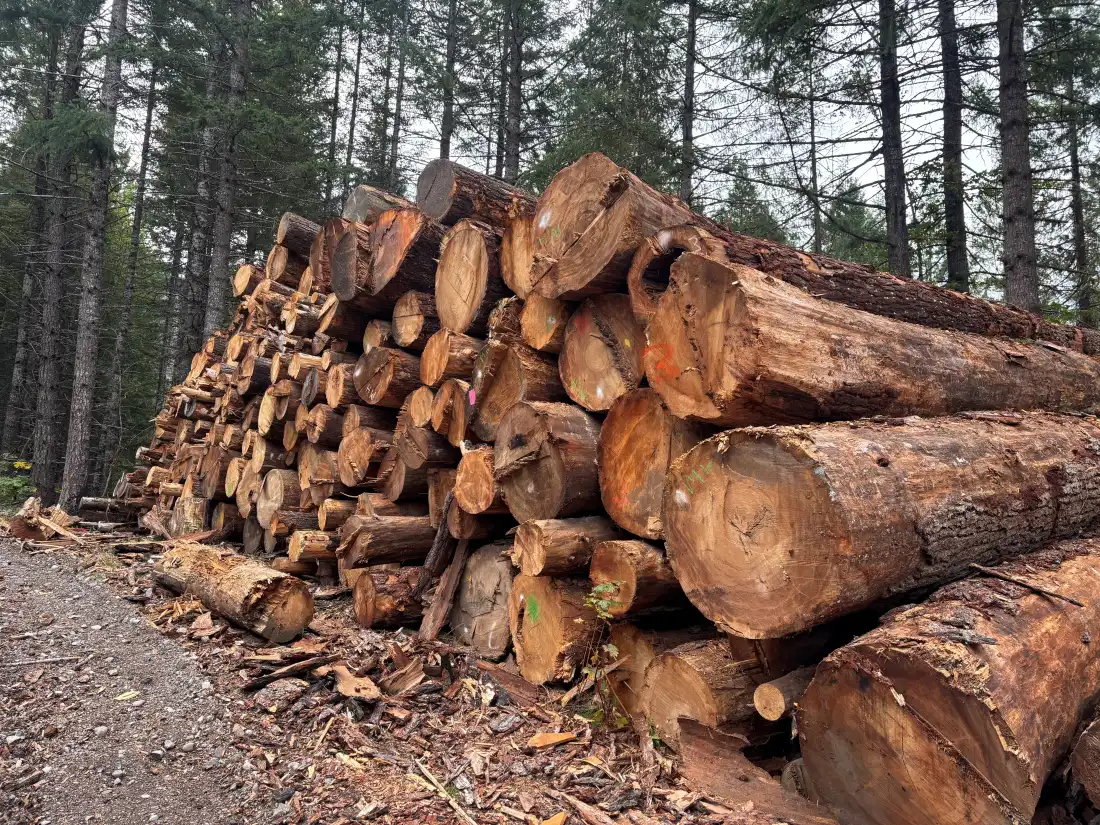
President Trump is expected to repeal the Roadless Rule, opening forty four million acres of pristine national forests to logging. He says this will create timber jobs and prevent wildfires in overgrown lands.
The rule has blocked logging for twenty five years
The Roadless Rule, signed by President Clinton, has blocked most new logging on undeveloped national forestlands since two thousand one. Trump signaled the move with executive actions last year aimed at reversing it.
Loggers say bigger problems threaten them
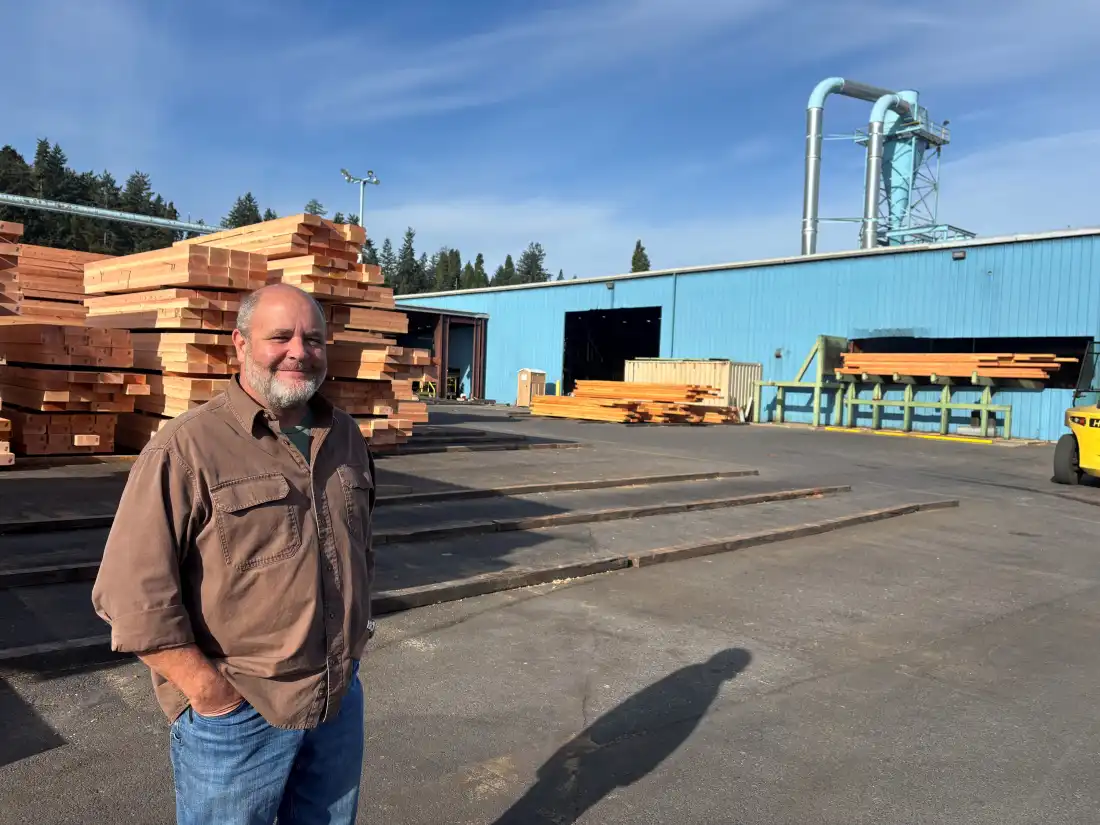
Sean Smith, CEO of Starfire Lumber in Cottage Grove, Oregon, says the industry faces more pressing challenges than access to more trees. Record high diesel prices and inflation are driving up costs across the business.
“Steel, you know, we have to buy sawblades, we have to buy ball bearings. We have to buy a million different parts to keep this mouse trap going.”
Smith supports the repeal but with reservations
Smith supports reversing the Roadless Rule, saying it will eventually give industry a more reliable local timber supply. He notes the nearby Willamette National Forest is dangerously overgrown and prone to catastrophic wildfires.
“This is not a 'gee I sure want more cheap timber volume,' you know, this is not me promoting an agenda. This is a guy who lives here and is tired of seeing these beautiful places burn up.”
Labour shortages threaten smaller loggers
Jeff Brink, a second generation logger near Eugene, Oregon, says the industry is a fraction of what it was when his father started Brink Land Development in nineteen eighty one.
“Right now, there's not a ton of people that want to wake up at two a.m. and drive a log truck for the same price that you could go work at McDonald's for.”
Federal timber sales have collapsed
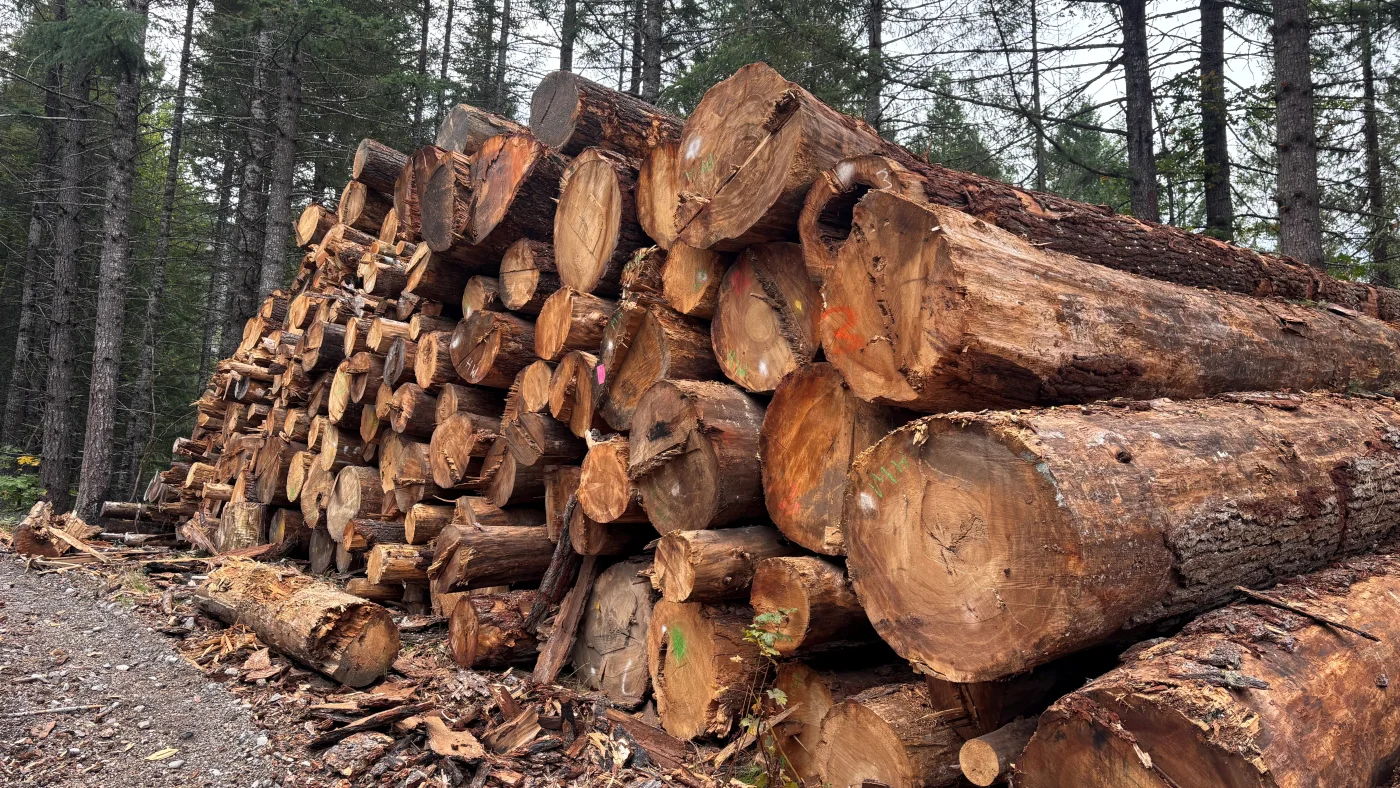
Timber sales on U.S.federal land dropped by close to ninety percent since the nineteen nineties due to tightening environmental laws and cheaper Canadian lumber imports.
Seven Oregon mills closed since twenty twenty four
Seven mills have closed in Oregon since twenty twenty four alone. Brink says rural Oregon is struggling and all the mills that aren't along the I five corridor or near urban centres that can source…
“Rural Oregon is struggling and all the mills that aren't along the I-5 corridor or near urban centers that can source wood are closing.”
Repeal would boost sales only modestly
Industry experts project that overturning the Roadless Rule could lead to a five to ten percent boost in federal timber sales. That's hardly enough to boost much enthusiasm on the ground, Brink says.
“We're in an industry that for decades has been in a state of contraction.”
Environmental groups plan to sue
Several national environmental groups have signaled they plan to sue once the administration formally repeals the rule, which is expected to happen by early next year.
Former firefighter warns of more wildfires

Timothy Ingalsbee, a retired U.S.Forest Service firefighter, runs a national firefighter safety and advocacy group.
“The claim that they're going to do all this new road building and logging in roadless areas on behalf of wildland firefighters, and make it more efficient for them, is just a big lie. Not in our name you don't.”
Ingalsbee questions the real motivation
Ingalsbee doesn't think the repeal is really about wildfire prevention or creating logging jobs. He argues that what's driving Trump's executive orders for public lands management is ideology, not real economic drivers.
“What's driving a lot of Trump's executive orders for public lands management is not real economic drivers. I don't hear industry clambering for this. It's more ideology.”
Congress has failed to act on forest policy
Almost everyone on the ground in the Northwest agrees that Congress has largely failed to act on either protecting or opening up federal forest lands.
Policy swings frustrate industry leaders
Sean Smith is tired of federal forest and timber policy swinging dramatically from one presidential administration to the next.He says Congress never codified the Roadless Rule, making it an environmental flashpoint in a polarized country.
“Sometimes the cynical side of me says, 'hey, what could be better than a do-nothing Congress at least they're not screwing anything up.' But that's no way to run a country long term.”
The one thing
President Trump plans to repeal the twenty five year old Roadless Rule to boost timber sales, but loggers say diesel prices, inflation and labour shortages pose far greater threats to their survival.