From NPR · · 4m
NASA engineers say rushed lab moves put missions at risk
Seven Goddard scientists describe lost labs, auctioned hardware and untested spacecraft after ten months of forced relocations.
In brief
Seven Goddard scientists describe lost labs, auctioned hardware and untested spacecraft after ten months of forced relocations. Goddard's engineers were moved out of custom labs faster than the work could follow, and the equipment they lost is already showing up as untested spacecraft and delayed missions. Originally…
A $4 billion launch, and nerves
NASA launched the Nancy Grace Roman Space Telescope from Kennedy Space Center late last month after 15 years of work. Engineers who built it were anxious.
What Roman is supposed to do
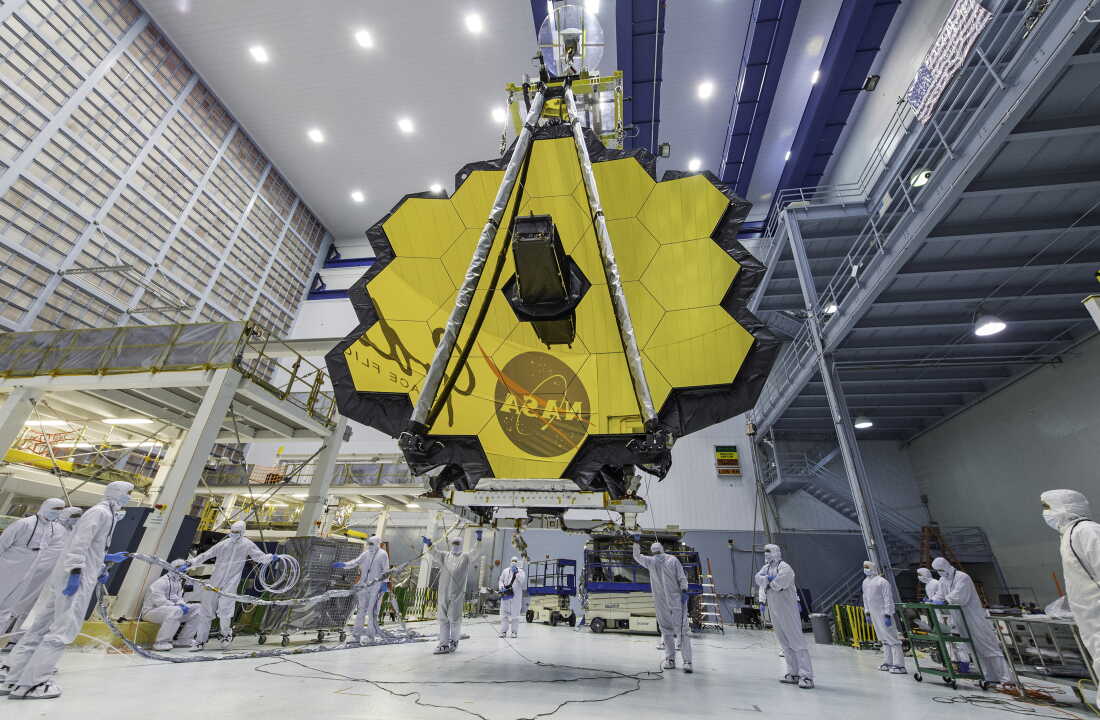
The telescope should gather more data than any before it on how the universe is expanding, and on how many hidden planets sit in our galaxy.
Built under tenuous conditions

Since last November, NASA management repeatedly forced scientists to move out of their labs at Goddard, most recently a month before Roman went up.
Testing fuel with worse tools
Propulsion engineers ran tests on Roman's fuel using less sensitive equipment. Their more precise instruments had been lost in an earlier move.
The missing antenna chamber
NASA asked a radio communication lab to test an antenna for Roman before launch. The team had already lost almost all its gear.
“We can't do the work because we don't have our $6 million antenna chamber anymore”
Seven people, one account
Current and former Goddard scientists told NPR that ten months of moves cost them specialized workspaces, colleagues and expensive machines. They asked not to be named, fearing retribution.
NASA's stated reason
Internal documents say the moves out of more than 80 facilities cut "waste and redundancies," followed a published campus master plan, and avoided tens of millions in deferred maintenance.
Risk stacked on risk
Jack Kiraly of the Planetary Society said precarious conditions add danger to work that is already dangerous, with billions in taxpayer investment on the line.
“We don't do ourselves any favors by putting the people that make this happen in precarious situations.”
A satellite launched unready
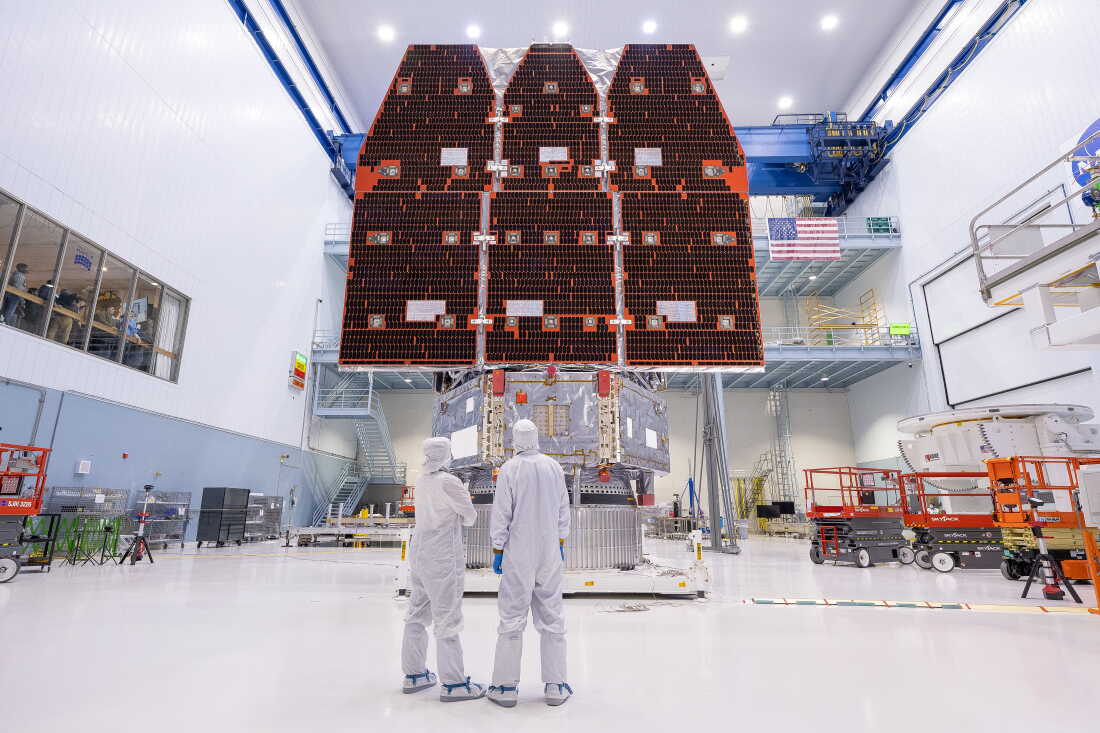
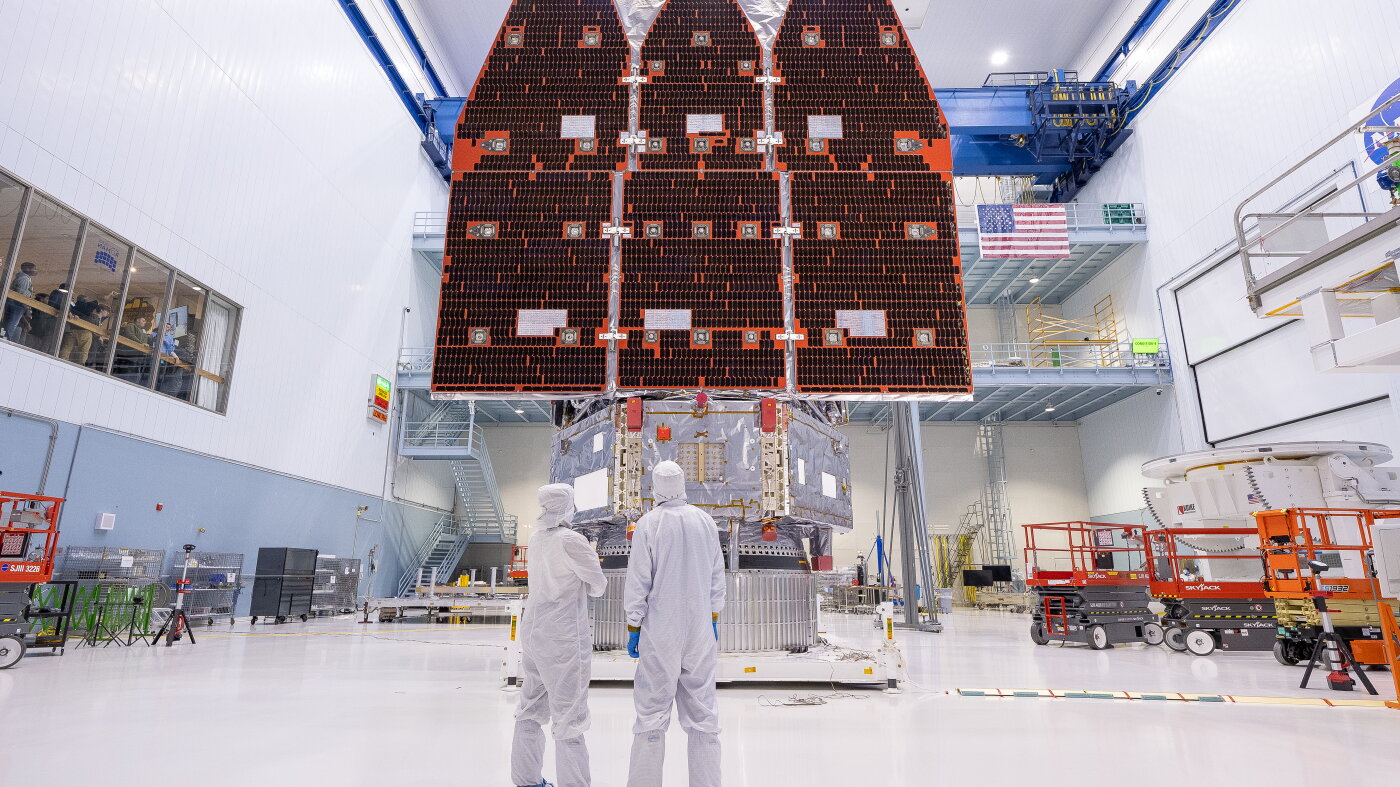
GRITSS went up in July to help other satellites track Earth's water levels and landmasses. An engineer of more than a decade said they had never launched something unready before.
Half-blind in orbit
Nobody could test whether GRITSS can radio its data back to Earth before it launched, so the team cannot tell if it is working.
“We are half-blind in terms of trying to troubleshoot it. The project had to eat the risk.”
Moved out during the shutdown
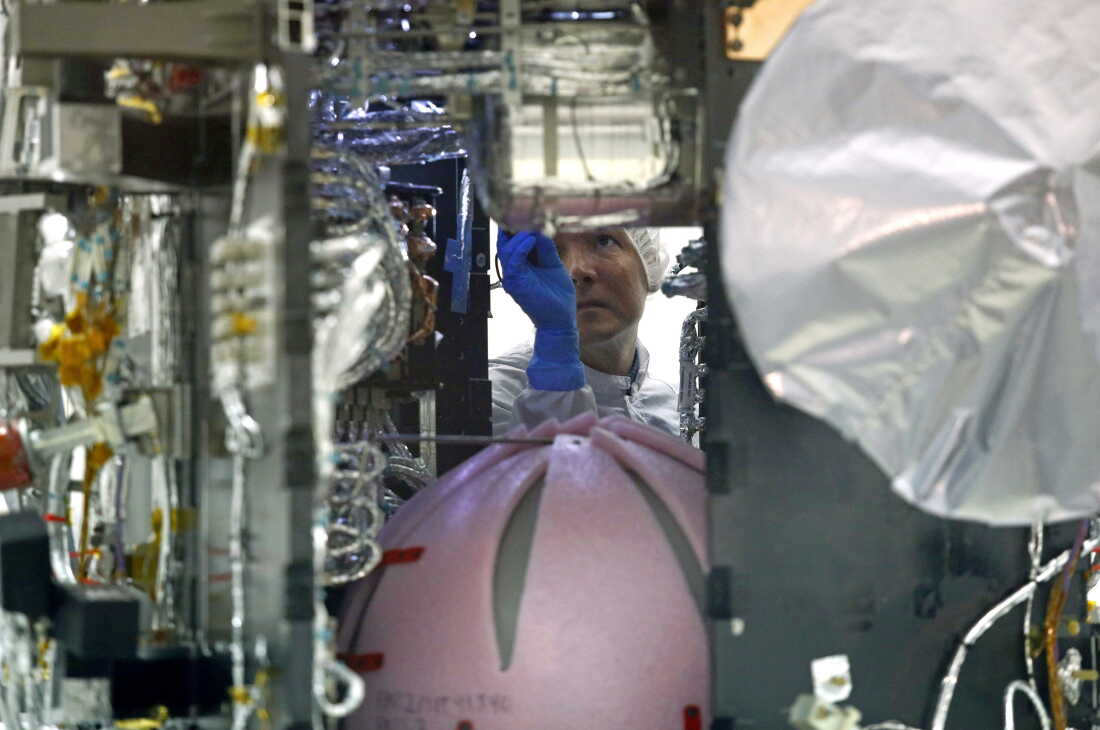
The radio communications lab was cleared out in November while staff were home for the government shutdown. Engineers say they were blocked from recovering their own machines.
“This was ripped away from the hands of NASA employees that would have been most capable of utilizing the equipment.”
Venus mission slips
Work on DAVINCI, a spacecraft built to explore Venus, was delayed in August because the team had nowhere at Goddard to lay out and inventory components.
“I did not have anywhere to start laying out the components and figure out what we have, what we need.”
The old lab sits empty
As of August, the space that team was rushed out of was still vacant. The engineer said leadership clearly has no long-term plan for world-class labs.
The watchdog said otherwise
A June NASA Inspector General report concluded the lab moves had not hurt ongoing projects and would not affect anticipated missions. The engineers' accounts contradict it.
Dumpsters full of gear
Physicist Barbara Thompson watched equipment and thousands of books get thrown out as scientists were rushed from their labs.
“These items were purchased with taxpayer dollars, so it felt unethical to me.”
$5.4 million on the auction block
NPR found more than 300 Goddard items posted to the GSA auction site in six months. Some were labeled scrap by people who were not engineers.
A $250,000 part for $300
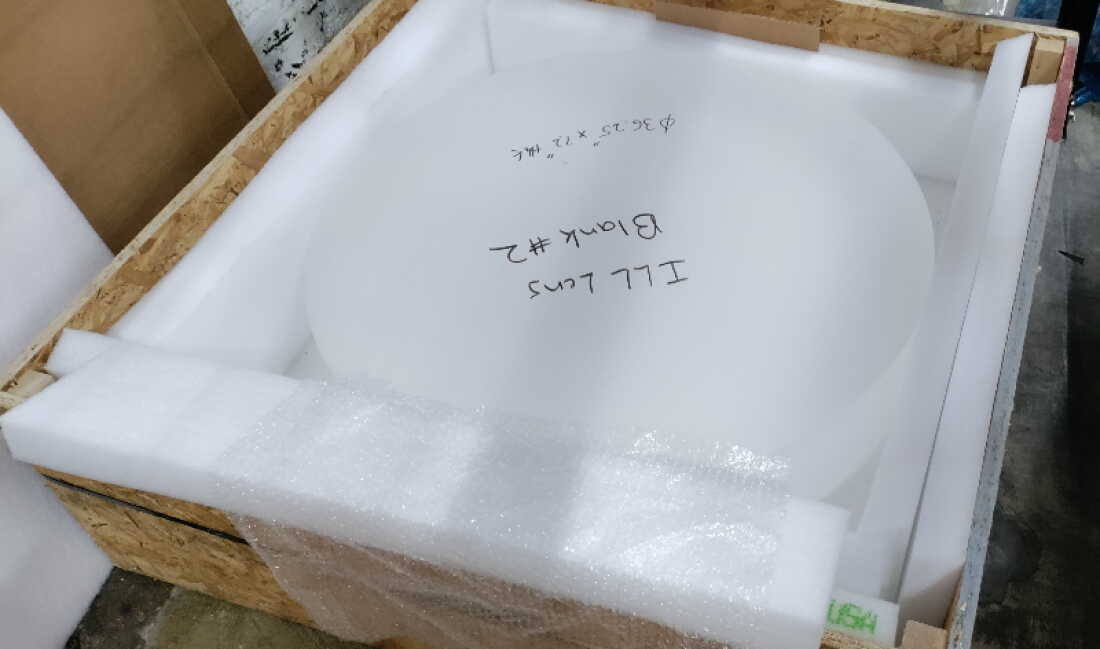
An aspheric test blank, used to test telescope imaging systems, cost NASA over $250,000. The final bid before the May sale closed was $300.
Restricted items sold anyway
About a third of the auctioned NASA items were flagged as restricted for missile technology or national security reasons. Kiraly worries about foreign military or space programs getting hold of them.
“Say it does fall into the hands of another country's military or civil space program.”
Given away without asking
NASA donated hundreds of thousands of dollars of radio gear to Capitol Technology University. The scientists who used it found out afterward, and were told getting it back was unlikely.
A third of the staff, gone
Goddard lost about a third of its employees in 2025. Nearly 60% of its engineers now say they plan to leave soon, and the White House wants NASA's 2027 budget cut by 23%.
“We were pretty much point-blank told to 'pack as if you are never going to build another propulsion system again.'”
The bottom line
Goddard's engineers were moved out of custom labs faster than the work could follow, and the equipment they lost is already showing up as untested spacecraft and delayed missions.


