From NPR · · 3m
Senate passes college sports bill, House fate unclear
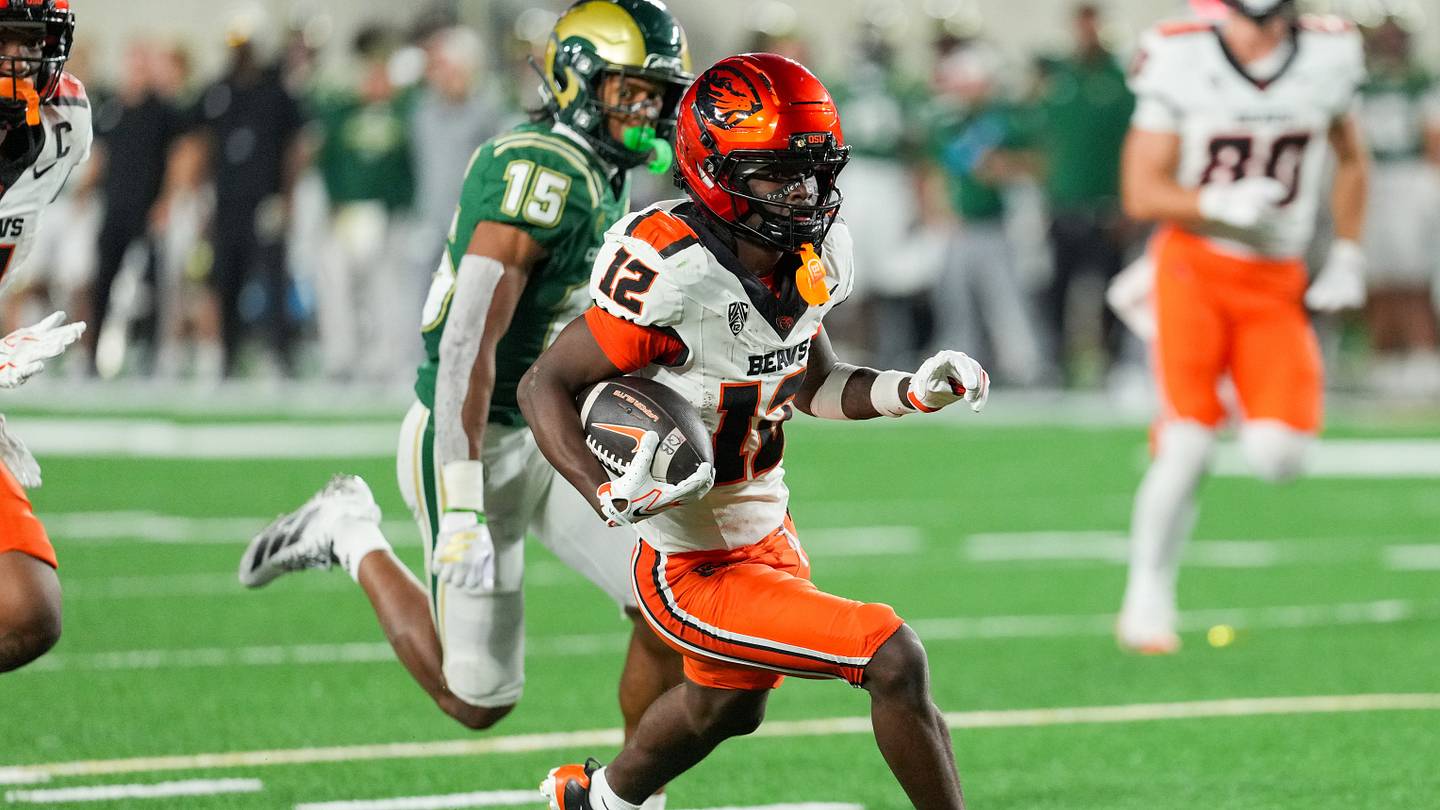
The Protect College Sports Act clears the Senate 77-22 but faces uncertain prospects in the House after the midterm elections.
In brief
The Protect College Sports Act clears the Senate 77-22 but faces uncertain prospects in the House after the midterm elections. The Senate passed the Protect College Sports Act with bipartisan support to regulate college athletics, but its passage in the House remains uncertain. Originally reported by NPR.
Senate passes college sports bill
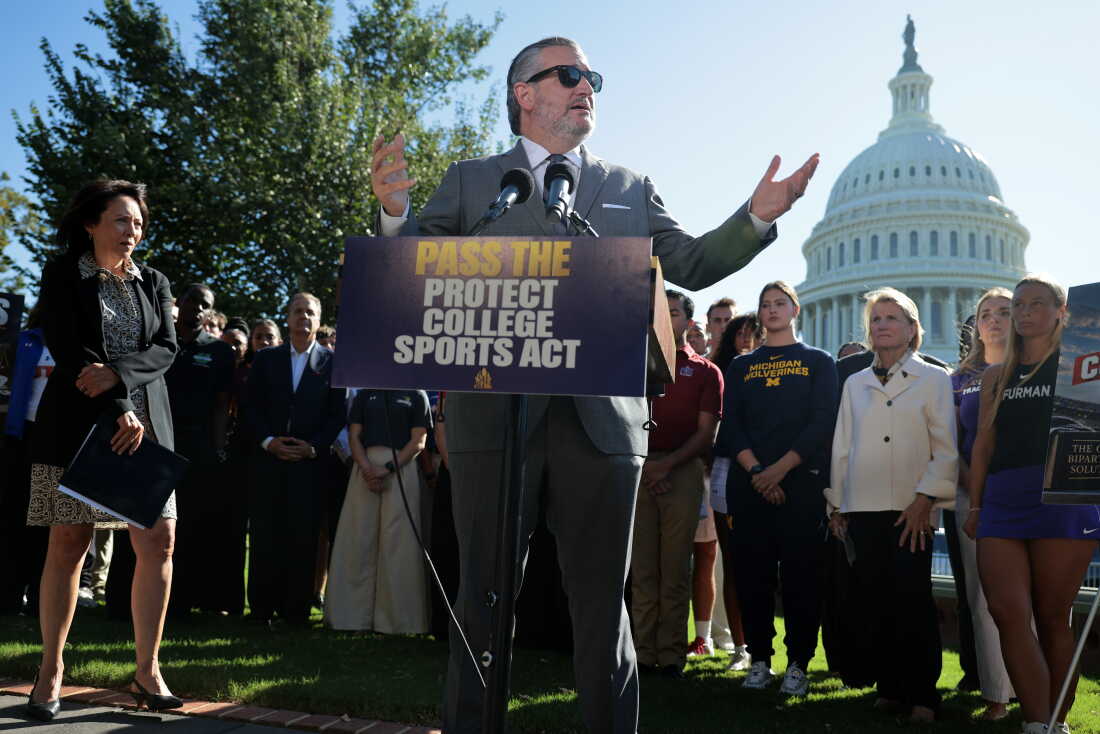
The Protect College Sports Act cleared the Senate on Monday with a bipartisan vote of seventy seven to twenty two, marking its most significant hurdle yet.
What the bill would do
The legislation grants the NCAA a limited antitrust exemption to restore its five-year eligibility rule and transfer limits, and codifies regulation of name, image and likeness deals.
Who backs the bill
Supporters include the NCAA, powerhouse schools and conferences, and President Trump, who called for passage on September seventeenth. Negotiations led by Sens. Ted Cruz and Maria Cantwell lasted over a year.
Cruz frames the stakes
At a mid-September news conference, Cruz said the bill brings order to chaos. Right now, it is the Wild West. The Protect College Sports Act is bipartisan legislation designed to bring order to the chaos.
“Right now, it is the Wild West. The Protect College Sports Act is bipartisan legislation designed to bring order to the chaos.”
House faces uncertain timeline
The bill now moves to the House, which is on recess until after the November midterm elections. Its chances of passing there remain unclear.
The problem the bill addresses
For roughly the past decade, litigation has chipped away at long-standing college sports rules from amateurism to transfers. The bill seeks to create a stable framework for this new era.
Critics call it NCAA protection
Opponents from labor groups, athletes organizations and the NAACP say the bill unfairly limits athletes without giving them equal power. Sam Ehrlich calls it the Protect the NCAA Act.
“I think the better way to frame it is 'The Protect the NCAA Act.'”
Who actually earns big money
More than half a million athletes compete in college sports each year. Only a small percentage earn six figures or more, mostly football and men's basketball players in the four power conferences.
Spending has exploded everywhere
From two thousand five to two thousand twenty three, recruiting costs rose three hundred twenty two percent, coaching salaries three hundred seventy percent. Yet the bill does little to rein in this spending.
Women's and Olympic sports suffer
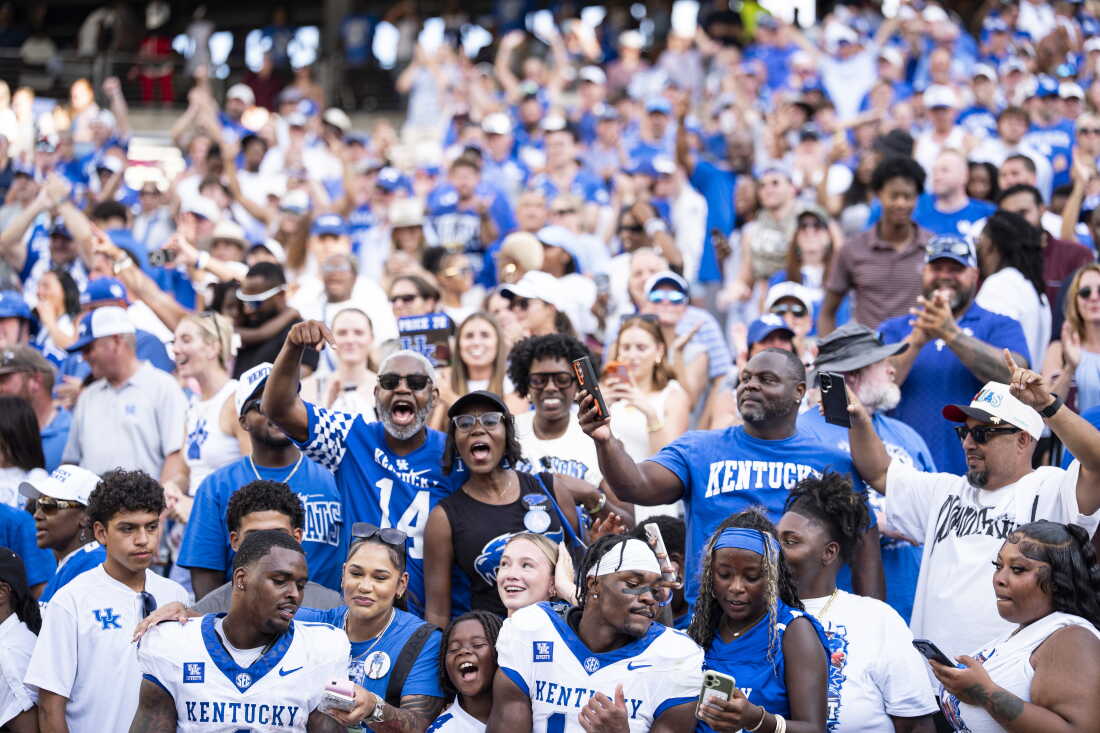
Schools have eliminated more than one hundred women's and Olympic sports teams since two thousand twenty three. The bill includes protections but they expire after nine years for large schools and four years for midsize schools.
Conference realignment poses obstacle
The bill would require schools jumping between power conferences to compete as independents for three academic years, a major financial penalty. Sen. Rick Scott of Florida voted no, preferring to keep options open.
NCAA chief looks ahead
NCAA president Charlie Baker thanked senators for their bipartisan effort and said much work remains in the House to ensure student-athlete benefits are codified into federal law.
The bottom line
The Senate passed the Protect College Sports Act with bipartisan support to regulate college athletics, but its passage in the House remains uncertain.