From NPR · · 4m
She flew to the caliphate at 20, then turned informant
A Canadian woman's path from grief to ISIS to a Kurdish prison camp, and the deal that got her daughter home.
In brief
A Canadian woman's path from grief to ISIS to a Kurdish prison camp, and the deal that got her daughter home. Radicalization starts with something ordinary, grief, isolation, a friend who listens, and the exit is rarely a decision so much as a series of narrow escapes. Originally reported by NPR.
A story told under an initial
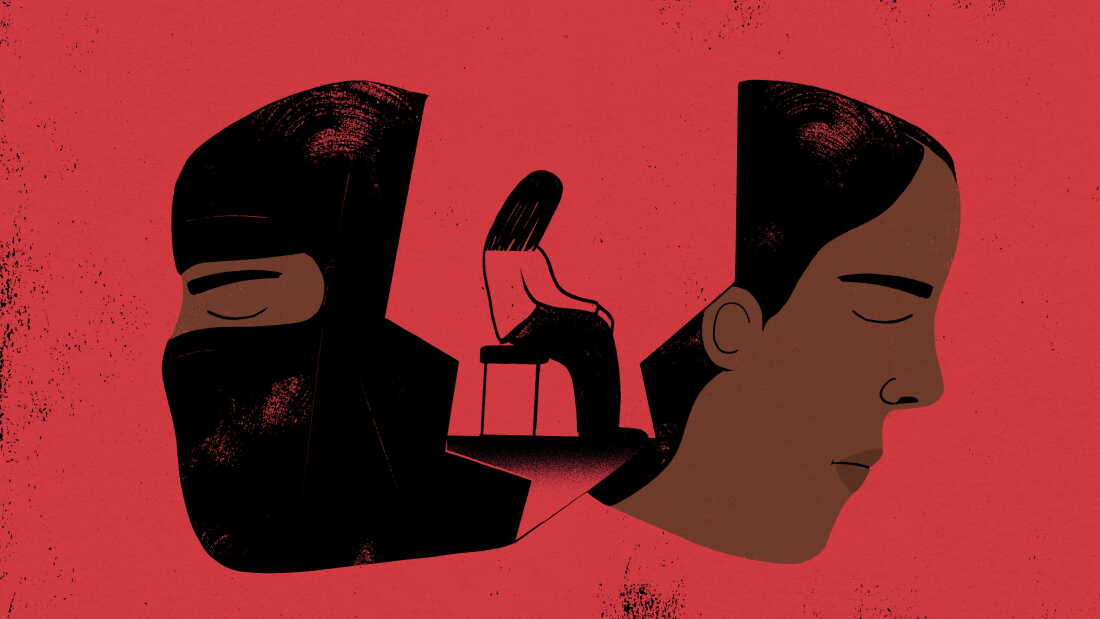
NPR met her outside an apartment building in western Canada. She goes by S., her real name and city withheld because her past could still follow her.
“to this day, she doesn't know how she survived”
Grief opened the door
Born in Pakistan to Somali parents, raised in Canada from age two. As a teenager she lost her brother, shot by an acquaintance high on drugs.
She turned to faith
Looking for peace, she started practicing more seriously and made friends with other Muslim girls her age. She traded Western clothes for a hijab and a long dress.
“I turned to religion and God”
The hijab made her a target
Her whole family was sprayed with bear mace at a train station by strangers. On a train, two men joked loudly about waiting for the next one in case this one blew up.
“Maybe we should get on the next train in case this one gets blown up.”
Boarding school changed everything
Sensing hostility everywhere, she enrolled in a religious boarding school in eastern Canada. There she befriended a woman who had returned from fighting with al-Shabab.
Leave the West, they said
The Somali woman coached her to move to a Muslim country. Scholars she listened to said the same. She resisted at first, then stopped resisting.
“I'm Canadian as it gets. So to me it was very frustrating and confusing.”
Surveillance pushed her out
Canadian intelligence showed up at her job, her house, on her phone. The pressure scared her, and her parents, worn down by the inquiries, asked her to leave home.
“they were investigating her, but they were putting pressure on me”
A one-way flight to Turkey
In 2014, barely out of her teens, she took the passage her friend paid for. She believed she was going to help Muslims and practice freely.
“I thought what I was doing was correct according to my religion”
Run toward that house
Smugglers in Istanbul put her in a van with other recruits. It drove south in the dark, stopped suddenly, and the doors swung open. Men with AK-47s took every passport.
“they swung the doors open and told us to run”
The utopia had heads on poles
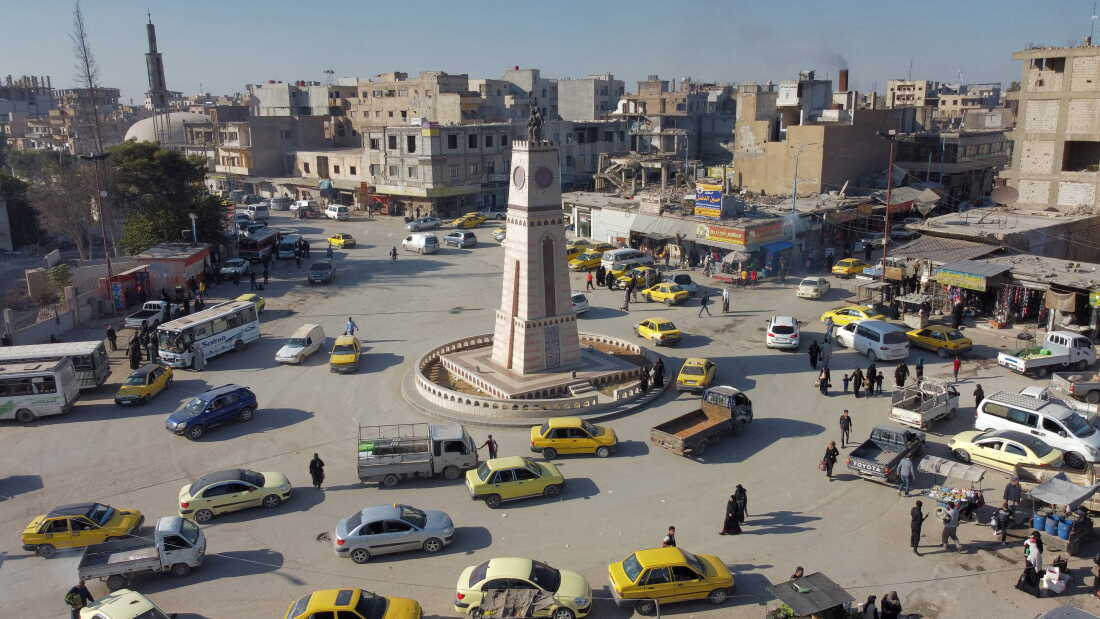
The caravan carried her toward Raqqa, capital of the caliphate. She looked out the window on the outskirts and saw what the group did in public squares.
“We're seeing heads cut off.”
Marry one of these four
At a crowded guest house by the Euphrates, a married couple ordered her to take an ISIS husband. She refused all four choices and was locked in her room, denied clothes and showers.
Out the back door
She escaped with a pregnant Canadian woman while the couple was out. Their taxi passed the couple's car on the road. They ducked and kept going.
“The cars passed each other and my heart stopped”
Just come back, her family said
A guest house with internet let her call Canada for the first time in months. Intelligence had already told her parents where she was, and they begged her to come home.
“They were telling me nothing's going to happen.”
Marriage as the only exit
A young Moroccan man who helped around the house proposed. The alternative was going back to the couple who had held her. She said yes to get out.
“I agreed to marry him so I could leave.”
A baby born under bombs
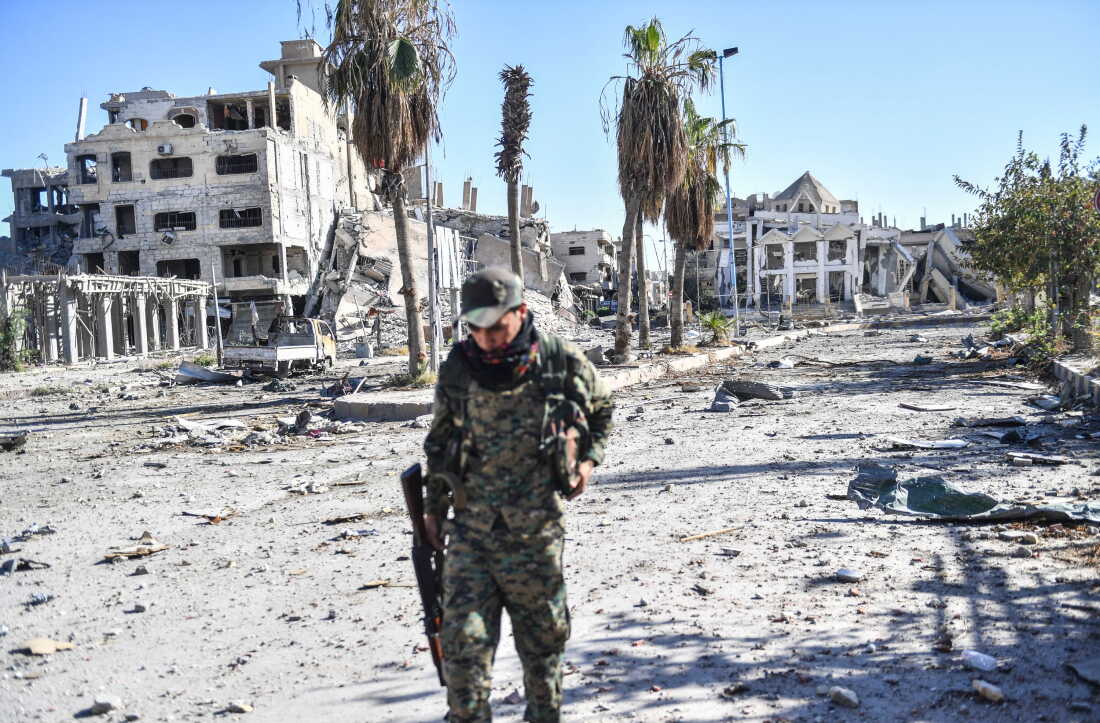
As US warplanes backed Kurdish forces closing on Raqqa, she was pregnant. The family fled, and she delivered her daughter while the hospital was being bombed.
A slave to your husband
Her husband turned violent, beating her and raging that their toddler was being raised in Western ways. She tried repeatedly for a divorce. A judge told her it was not hers to want.
“You think you are a free woman, but you're not.”
Grass for dinner
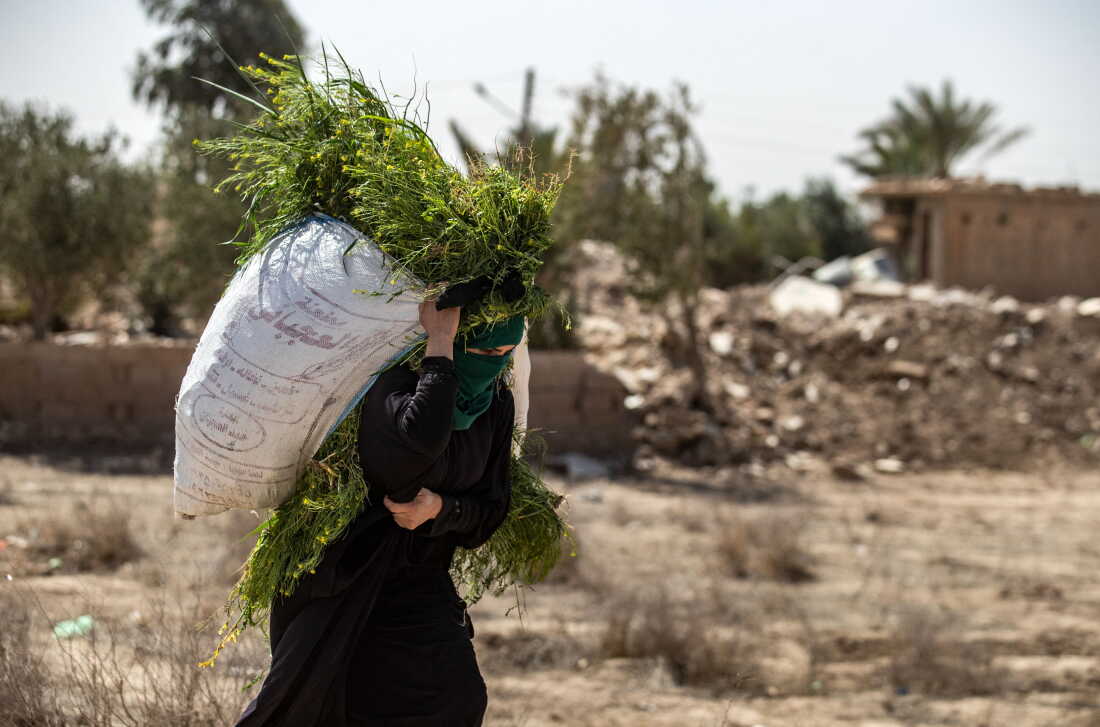
They fled by motorcycle into the mountains with flour, olives and dates. Others around them boiled grass to eat. Her two year old was malnourished and she rationed everything.
“People were literally eating grass, cooking it.”
The last stand at Baghuz
Bullets missed them on the motorcycle. A car they were in flipped and landed upside down, and her daughter slept through it. Cornered, the Kurds offered women and children safe passage.
“They gave the option to stay and fight and die or to leave.”
Informant in the lion's den
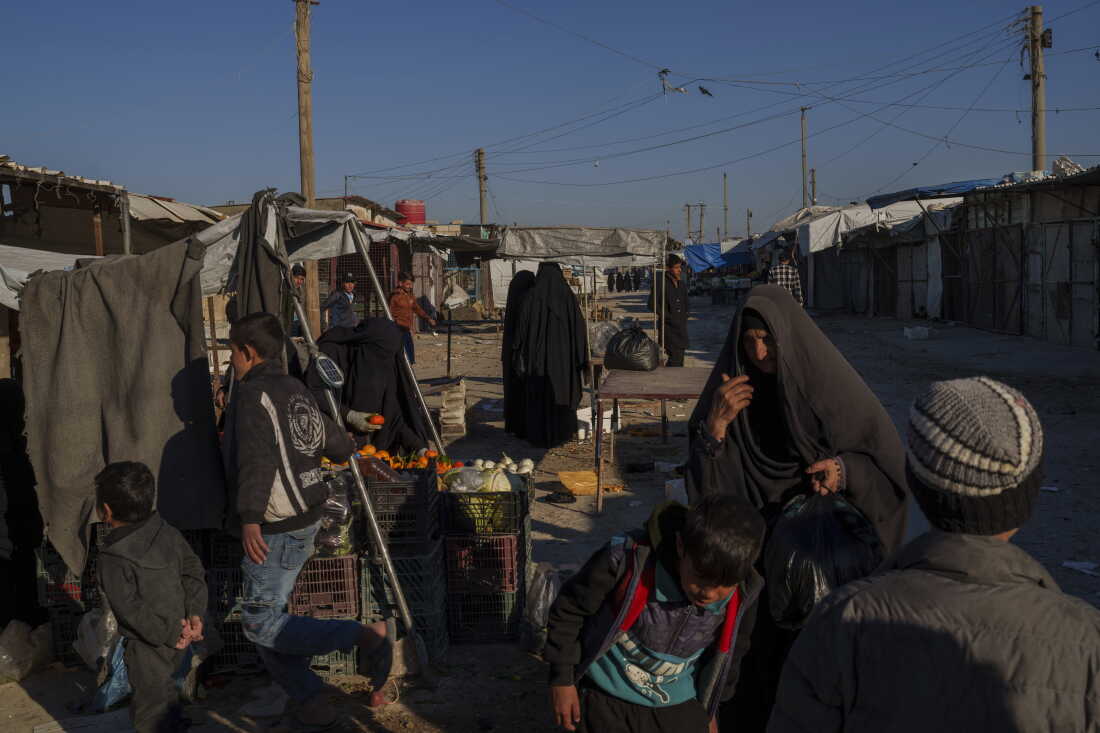
Her husband stayed to fight. She surrendered and landed in the Al Hol camp, then worked for the Kurds by night in fatigues and a balaclava, watching girls be groomed for the next ISIS.
“I didn't want to see the children growing up in a prison camp”
She got a nine year old home
She helped pull an American child from a tent, and helped convict ISIS fighters. Her daughter flew to Canada first; S. followed a year later. The girl now wants to be an astronaut.
“I want to be a scientist or an astronaut.”
The bottom line
Radicalization starts with something ordinary, grief, isolation, a friend who listens, and the exit is rarely a decision so much as a series of narrow escapes.


