From NPR · · 3m
Taiwan row forced last-minute change to Trump-Xi archives visit
China objected to a treaty display that leaves Taiwan's status undetermined, forcing U.S. officials to remove documents hours before the leaders arrived.
In brief
China objected to a treaty display that leaves Taiwan's status undetermined, forcing U.S. officials to remove documents hours before the leaders arrived. China forced removal of the Treaty of San Francisco from a National Archives display during President Trump and Xi Jinping's visit on September twenty-fifth because…
A display prepared for the leaders
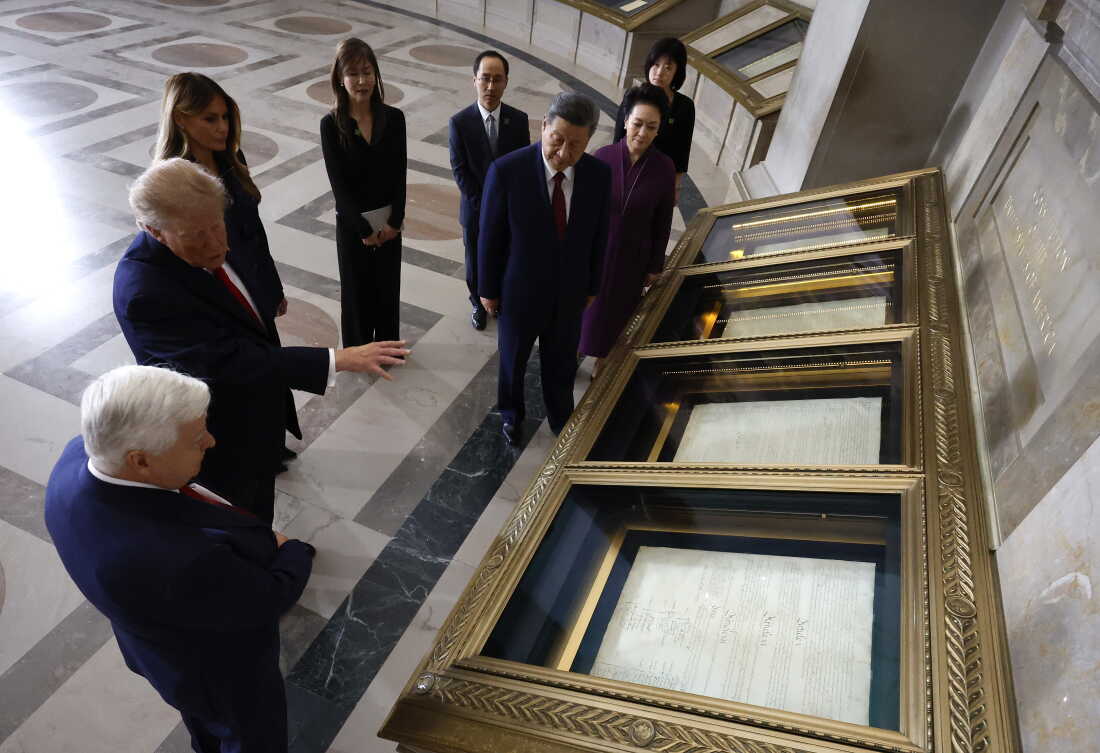
On September twenty-fifth, the National Archives Museum prepared to welcome President Trump and Chinese leader Xi Jinping. Staff set up a display in the main foyer with a brick from the Great Wall of China and a nineteenth century scroll from a Qing emperor.
The display was suddenly removed
Hours before the visit, the entire display was removed due to a last minute change in the event, according to a Chinese diplomat granted anonymity because they were not authorized to speak publicly.
China objected to one document
The sudden change was triggered by Chinese displeasure over the Treaty of San Francisco of nineteen fifty-one, which the U.S. had planned to show, according to the diplomat and two other people familiar with the matter.
Why China was angry about the treaty
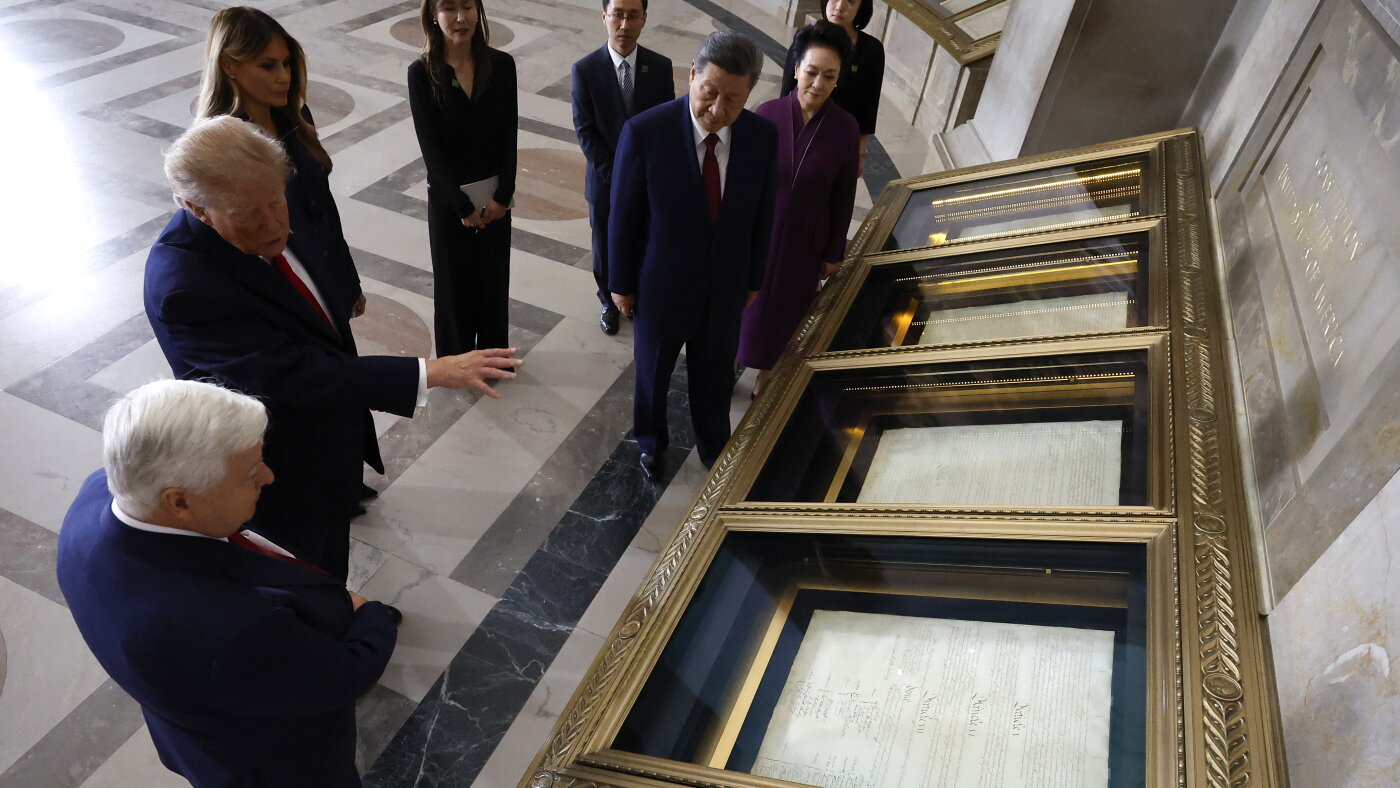
Beijing was irate because the U.S. and Japan signed the Treaty of San Francisco, but not China. The treaty ended World War II hostilities but leaves Taiwan's status undetermined and does not state the island belongs to Beijing.
“because the U.S. and Japan signed it, but not China”
Taiwan's status remains the core issue
Ryan Hass, a Taiwan and China expert at the Brookings Institution, said the treaty is a point of contention because China were not signatories and it leaves Taiwan's political status undetermined, which Beijing opposes.
Other Taiwan documents were also considered
U.S. officials involved in visit planning discussed displaying the Six Assurances and the Three Communiques, key documents defining the U.S. relationship to Taiwan, but those were ultimately not included in the visit.
The incident reveals internal U.S. tensions
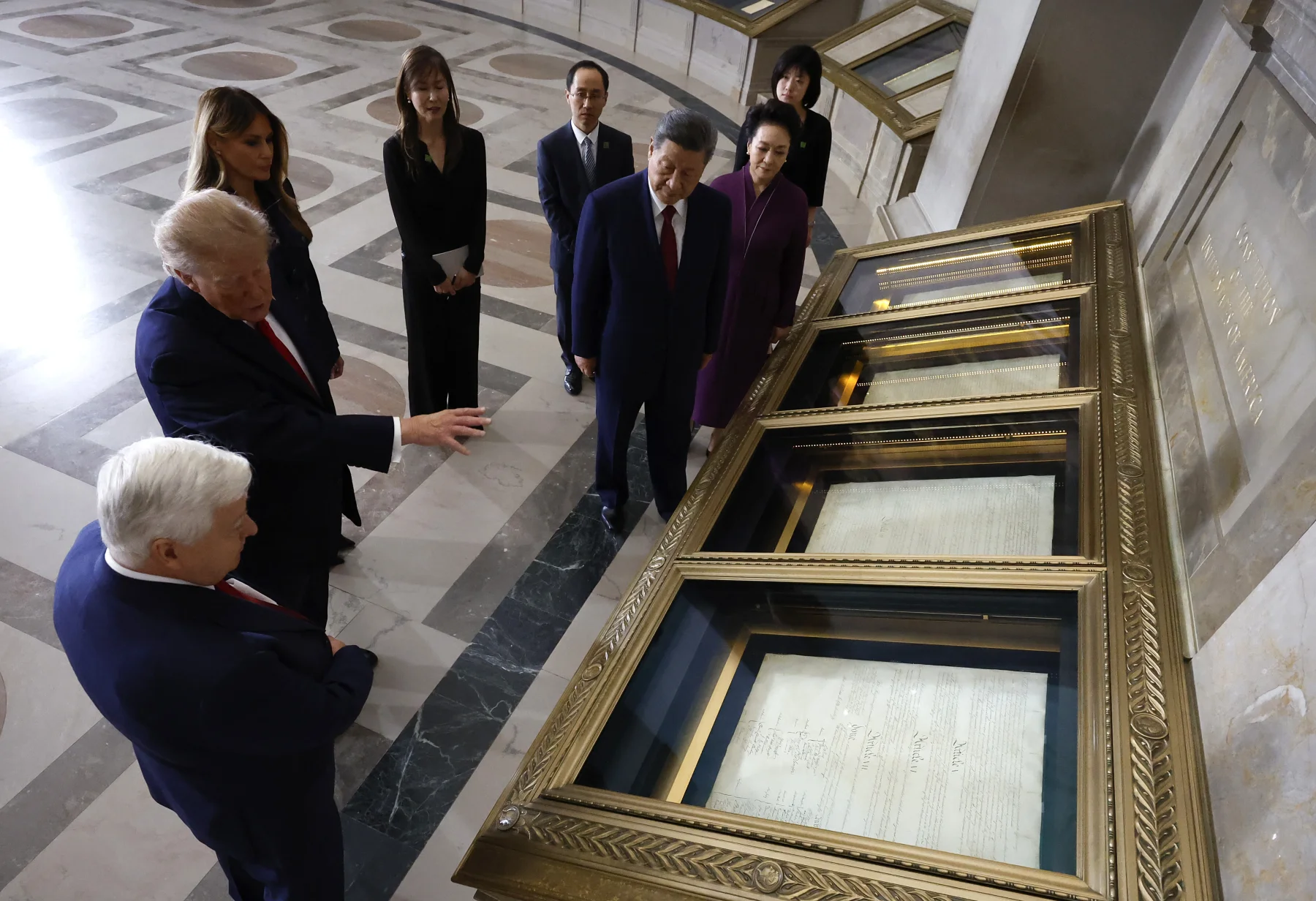
The discussion to include Taiwan-related documents shows pushback from within the U.S. government against President Trump's warm reception of Xi, sparked in part by concerns that Xi would try to change the U.S. official stance towards Taiwan.
What the leaders actually saw
When Trump and Xi walked into the Archives, the foyer had been cleared. The two men browsed original copies of the Declaration of Independence, the Constitution, and the Bill of Rights instead of the disputed treaty.
Xi praised American history, Trump compared timescales
Xi praised the founding spirit of two hundred fifty years of U.S. history. Trump said, Ours goes two hundred fifty years, which is great, and we're proud of it, but theirs goes six thousand years.
“Ours goes 250 years, which is great, and we're proud of it, but theirs goes 6,000 years.”
What it means
China forced removal of the Treaty of San Francisco from a National Archives display during President Trump and Xi Jinping's visit on September twenty-fifth because the treaty leaves Taiwan's political status undetermined.


