From NPR · · 2m
The fisherfolk of Chennai's struggling harbor
Photographer Viraj Nayar documents the grueling yet deeply fulfilling lives of workers at India's overcrowded Kasimedu Fishing Harbour.
In brief
Photographer Viraj Nayar documents the grueling yet deeply fulfilling lives of workers at India's overcrowded Kasimedu Fishing Harbour. Despite poverty, danger, and precarious work, fishing communities remain bound to the sea by tradition, independence, and a love that transcends hardship. Originally reported by NPR.
Basket men of the harbor

Pavadairayan, 60, works 2 a.m. to 7 a.m. carrying 35-pound baskets of fish from boats to auction, making 40 to 50 trips daily for about $5 a day.
“Sleeping with a full belly under open skies, a salt sea breeze fanning your face: that's what I call heaven.”
Few rights, harsh conditions
Supervisors can dock pay and fine basket men thousands of rupees if they suspect fish are missing. Workers have little protection or recourse.
“If supervisors think that fish are missing, they can dock your pay and fine you several thousands of rupees.”
A harbor bursting at seams
Kasimedu serves around 30,000 workers across fishing, auctioneering, hawking, and transport. The harbor was built for 600 boats but now serves over 1,000.
From smuggler to fish seller
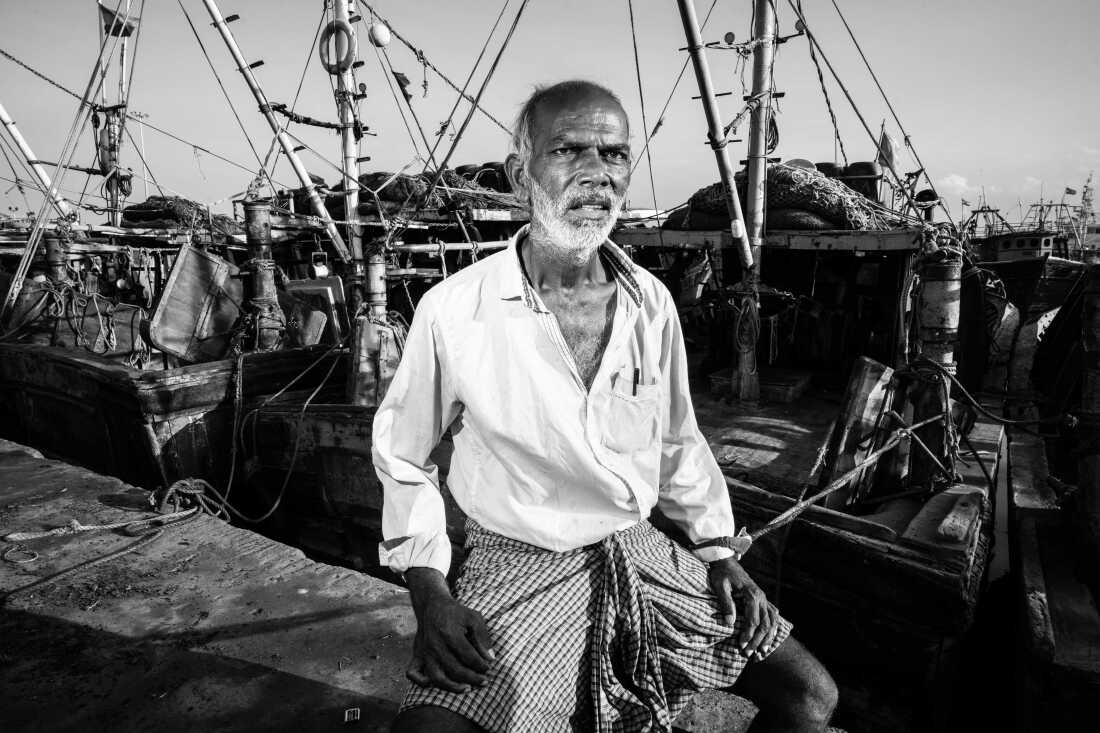
Nandu Kumar, 65, once smuggled alcohol and cigarettes on his boat during India's strict import controls in the 1980s before returning to fishing.
Tragedy reshapes a life
In December 2010, Kumar's son-in-law drowned after falling from a boat while drunk. Months later, his grieving daughter took her own life.
“This fishing life, it's harshest on the body. Your shoulders ache all the time. Sometimes, alcohol is the only way you can cope and forget the pain.”
From sea to shore
Unable to gamble on fishing's unpredictable catches, Kumar now runs a fish shop at the harbor with steady income to support his two grandchildren.
“With the support of my two sons, I decided to start selling fish.”
Feast or famine rhythm
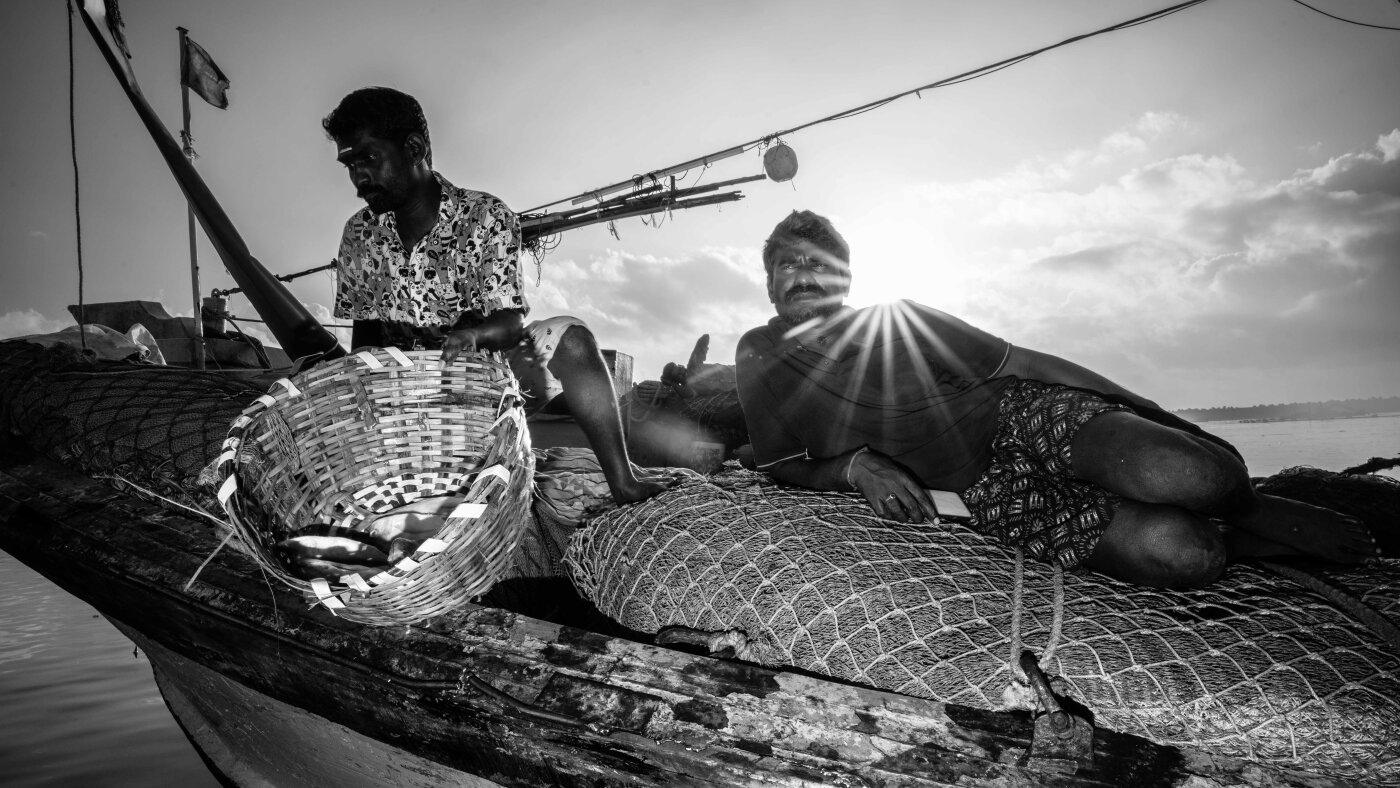
Fishermen at Kasimedu earn around $200 monthly on good catches, but one bad season or illness can push families into poverty with no safety nets.
“It's feast or famine. That is the rhythm of life at the harbor.”
Invisible labor, little support
Workers have minimal access to government assistance and their labor remains largely invisible to policy makers and the public.
“There are no safety nets. Worse, they have little access to government support and their labor remains largely invisible.”
Youth seek stability, find themselves
Younger generations leave for corporate jobs seeking reliability, but many return to fishing mid-life, drawn by the independence their personalities crave.
“Many of my friends are not happy in corporate jobs or in related industries. Eventually, they do find their way back fishing again.”
Nizamuddin's choice
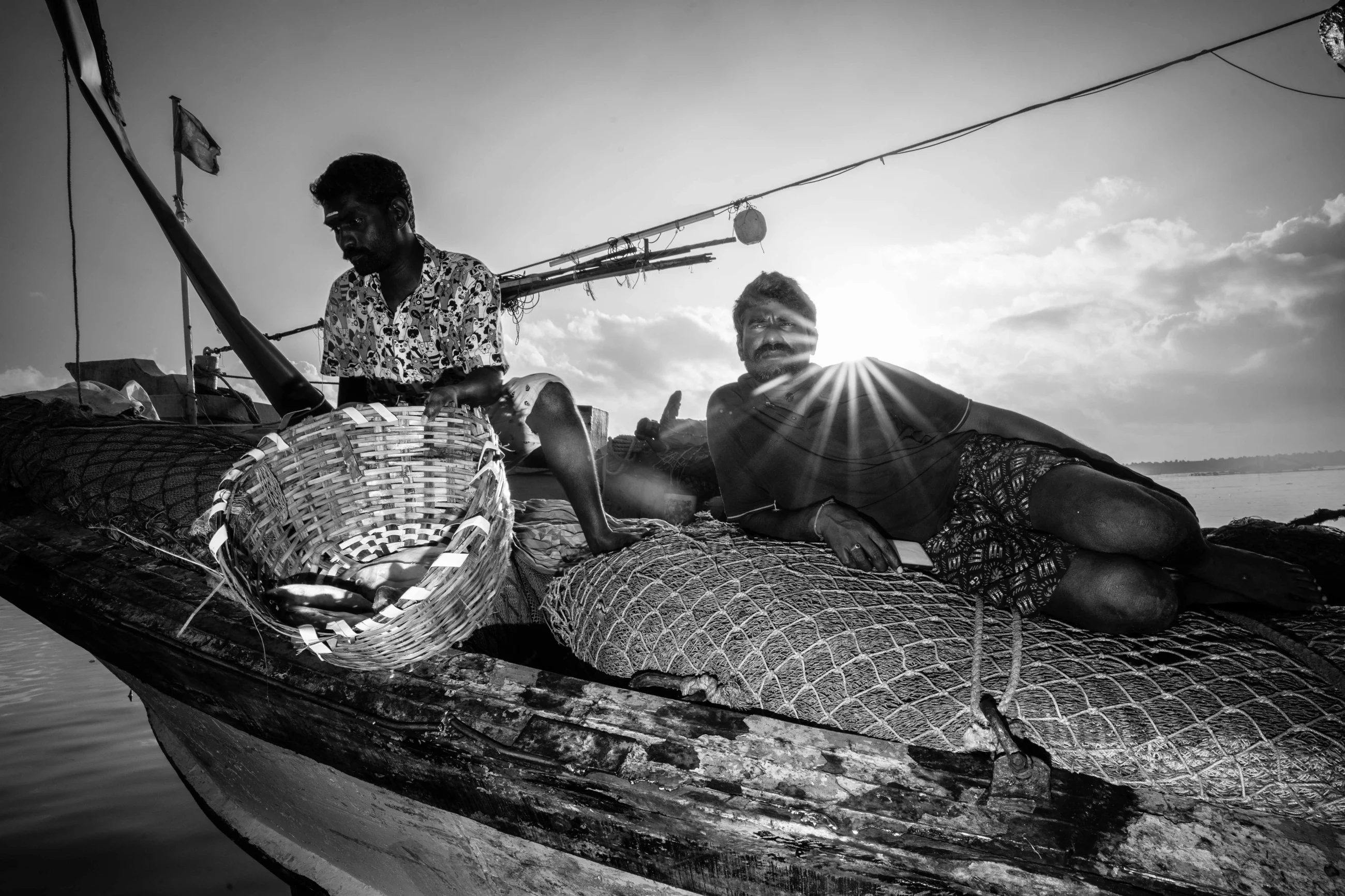
At 25, Nizamuddin is the only fisherman wearing a wetsuit at Kasimedu. He's put two brothers through school while embracing a hard life he never regretted.
“It's a hard life but I wasn't very good at studying. This is the only work I know and it has helped my family survive.”
The sea's pull never fades
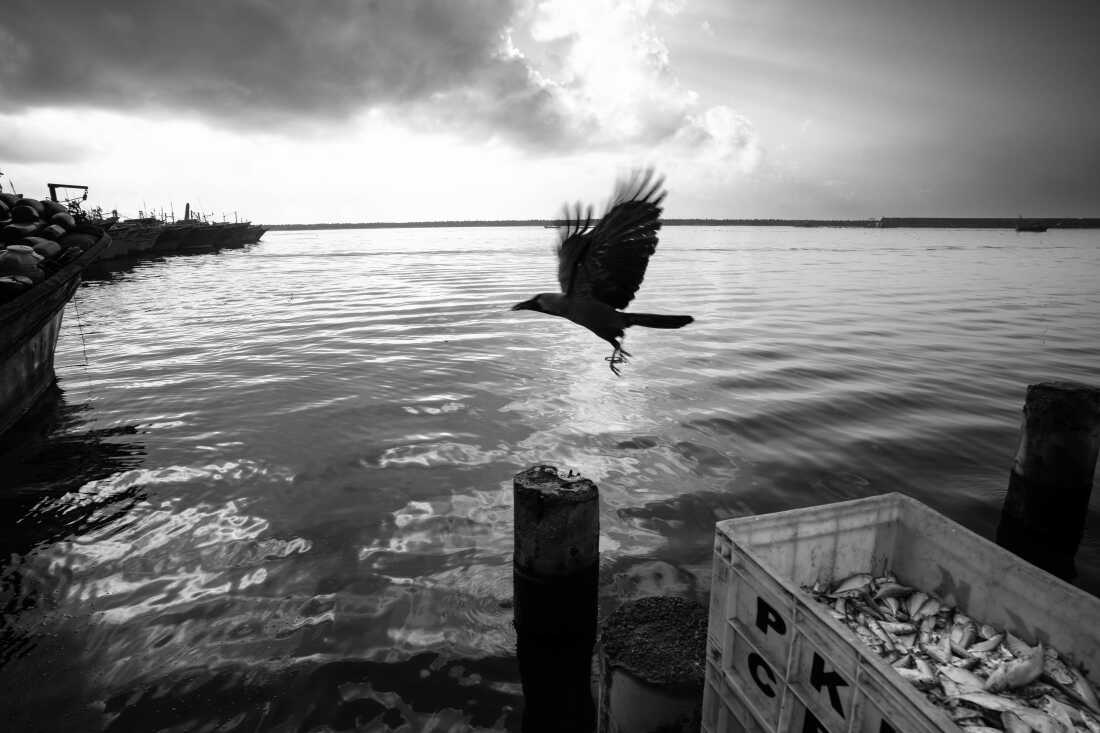
Kumar, now a fish vendor, watches fishermen return at dawn and feels longing for the unpredictable exhilaration of life on a boat.
“It's like your mother's lap. You may travel far and wide, and don't need it anymore, but you will return for the warmth and comfort it gives you.”
Hard but exhilarating
Life on a boat is grueling and unpredictable, yet fishing communities remain bound to the sea by tradition, independence, and deep love.
“Life on a boat is hard, but it is also exhilarating. There are moments when you never know what will happen next.”
What to remember
Despite poverty, danger, and precarious work, fishing communities remain bound to the sea by tradition, independence, and a love that transcends hardship.


