From NPR · · 3m
The wildfire insurance crisis in California
Home insurance in fire-prone areas is becoming unaffordable or unavailable. Regulators, insurers and economists disagree on who is to blame and what the fix should cost.
In brief
Home insurance in fire-prone areas is becoming unaffordable or unavailable. Regulators, insurers and economists disagree on who is to blame and what the fix should cost. California's insurance market is broken by wildfire risk. Regulators kept premiums artificially low, insurers pulled out, and homeowners face…
Wildfire insurance is becoming impossible
Homeowners in rural Northern California struggle to find affordable home insurance as destructive fires become more common. Without coverage, their most valuable asset could literally go up in smoke.
Insurers test what makes homes safer
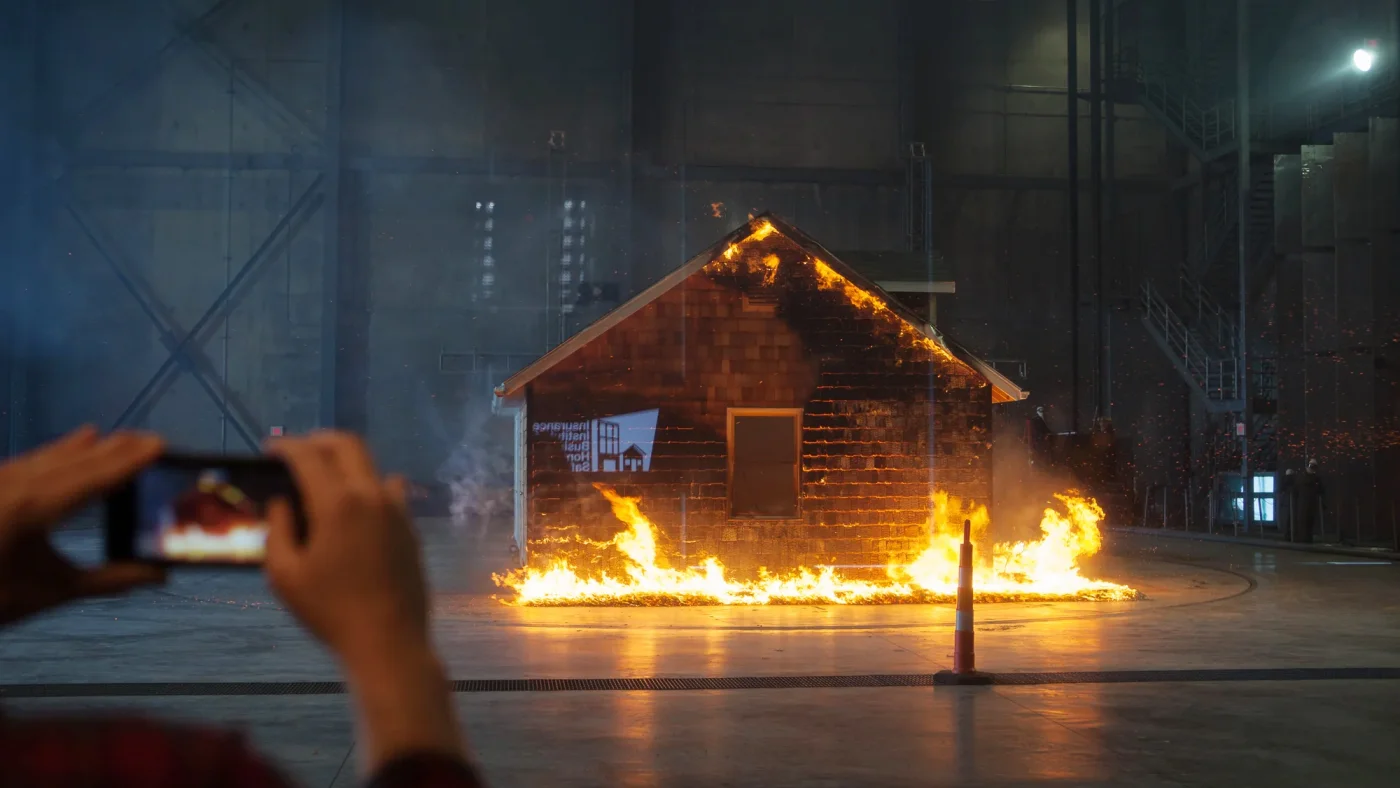
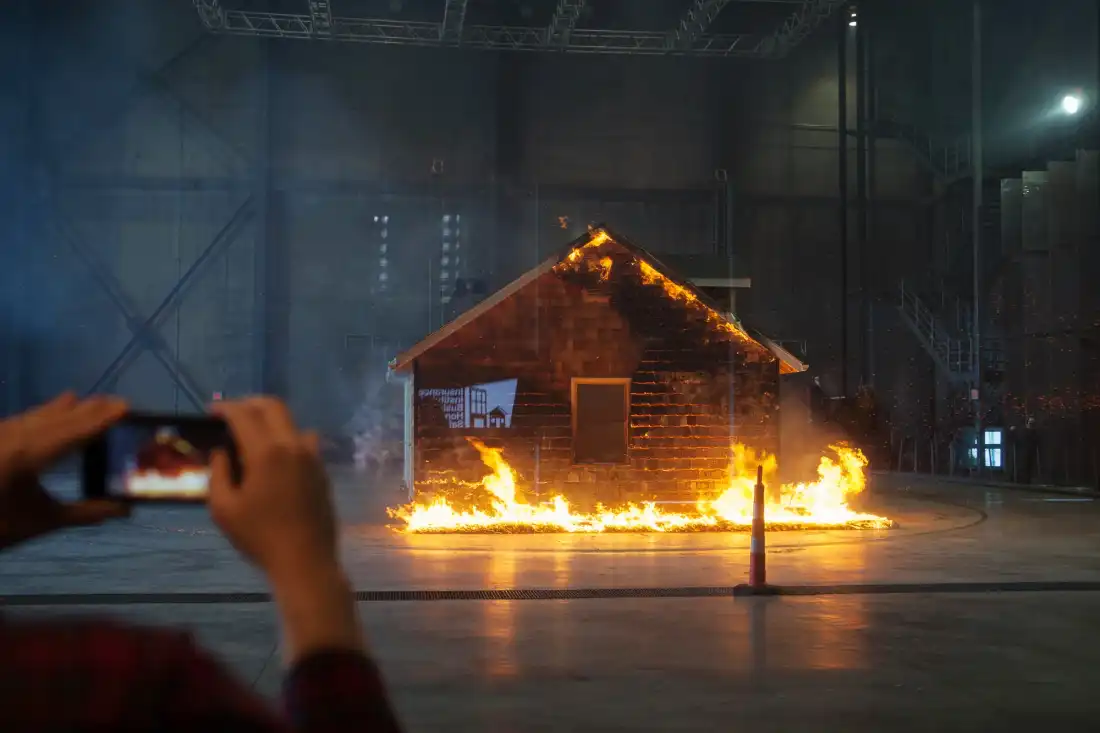
Insurance companies fund a destruction lab in South Carolina where researchers light mock houses on fire and subject them to hail and hurricane-force winds to see what building designs limit damage.
Insurance creates a moral hazard problem
If an insurer pays for a new house after a fire, homeowners have less reason to invest in expensive upgrades like metal roofs or ember-resistant vents that reduce fire risk.
Discounts for safety are too small
Insurers could counter moral hazard by offering discounts when homeowners harden their homes. In Paradise, California, residents invested heavily in safety but received only tiny discounts on their premiums.
Insurers are leaving fire-prone areas

Insurance companies have declined to renew policies in fire-prone areas across California and the West, forcing families onto the state's insurer of last resort, the FAIR Plan.
Proposition 103 kept rates artificially low
California's Proposition 103, passed by voters in 1988, required insurers to get state approval before raising rates and forced them to use historical wildfire losses rather than forward-looking catastrophe models.
Low rates encouraged building in fire zones
By keeping premiums artificially low, the regulatory system may have encouraged more people to build and buy homes in fire-prone areas. As devastating fires mounted, insurers had to make huge payouts and pulled out.
A UC Berkeley economist blames regulators
UC Berkeley economist Nancy Wallace said California's insurance regulations made a bad situation worse. She told Planet Money, "They destroyed the markets."
“They destroyed the markets.”
Higher prices are the only solution
UC San Diego economist Judson Boomhower says we will find ways to keep insuring fire-prone areas. But he warns, "One sign that the market has healed will be higher prices."
“One sign that the market has healed will be higher prices.”
The non-admitted market offers an escape
Some homeowners are moving to the non-admitted market, a less regulated corner of insurance with greater freedom to set prices. Better coverage comes with a catch: no state-mandated backstop if the insurer fails.
California loosened rules in late 2024
In late 2024, California adopted rules allowing insurers to use forward-looking catastrophe models in exchange for writing more policies in high-risk areas. This may make coverage easier to find.
The bottom line
California's insurance market is broken by wildfire risk. Regulators kept premiums artificially low, insurers pulled out, and homeowners face unaffordable coverage or the state's insurer of last resort.
Read the TL;DR — this story on one card.