From NPR · · 1m 40s
U.N. fails to bind killer robot rules
After a week of negotiations, diplomats agreed only to discuss regulating lethal autonomous weapons over two years, disappointing those seeking immediate legal controls.
In brief
After a week of negotiations, diplomats agreed only to discuss regulating lethal autonomous weapons over two years, disappointing those seeking immediate legal controls. U.N. diplomats agreed to discuss autonomous weapons regulations over two years with no binding commitment, falling short of calls for urgent legal…
U.N. agrees to talk, not to act
Diplomats meeting at the United Nations in Geneva agreed to start discussing options to regulate lethal autonomous weapons, often called killer robots.
Two years to maybe bind rules
After a week of negotiations that dragged on until the small hours of Saturday morning, countries would have two years to suggest regulations that could be legally binding, but could also be optional.
Drones kill civilians now
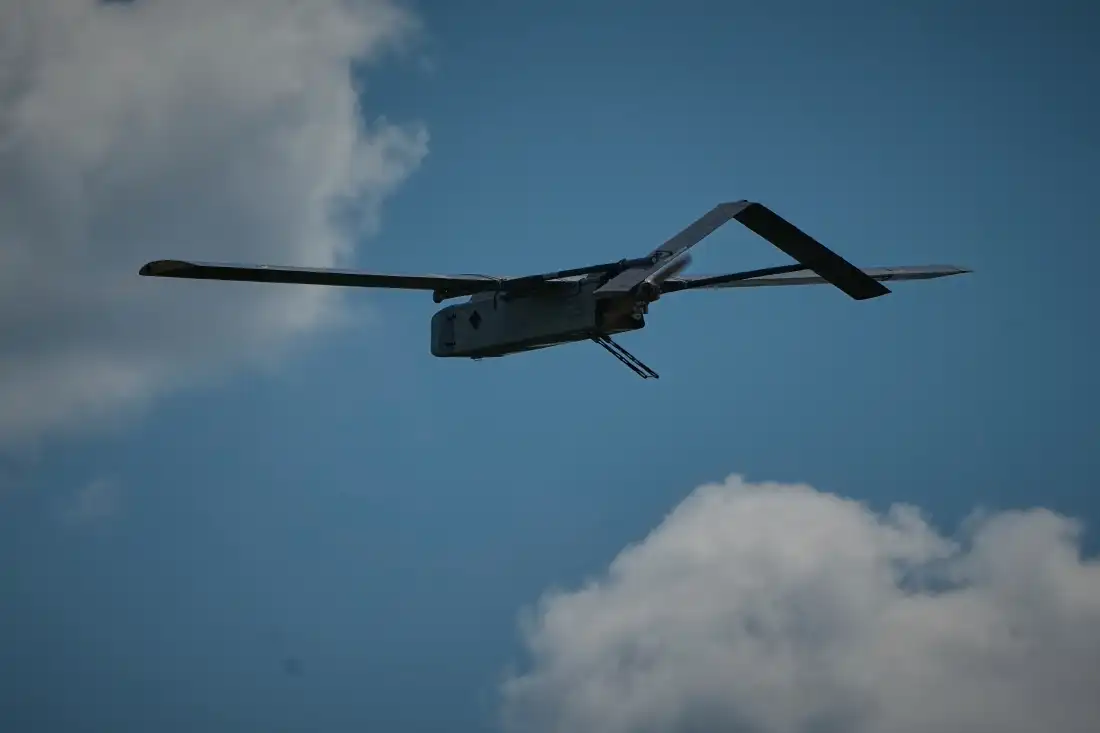
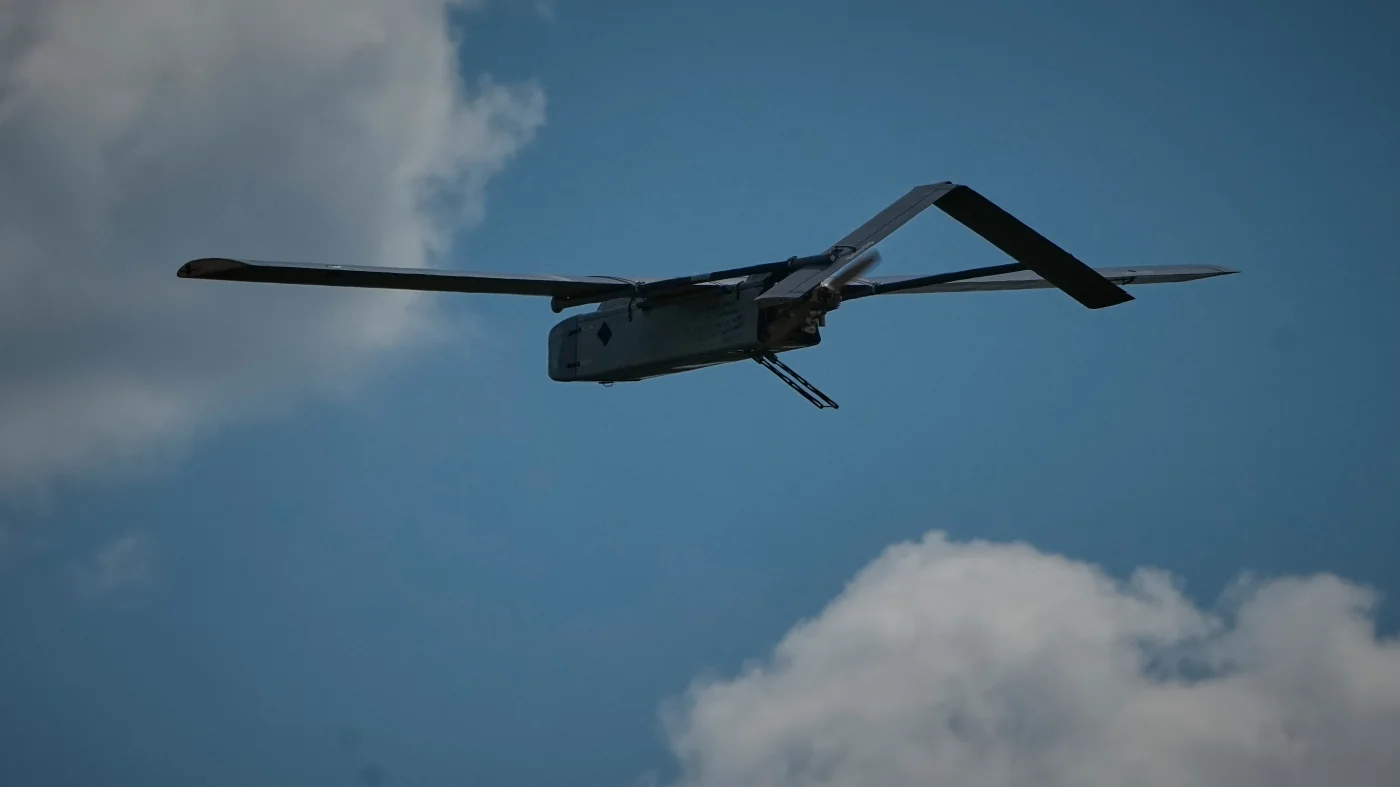
In Ukraine, Sudan and Gaza, civilians are being killed by semi-autonomous drones. This year in Sudan, eighty percent of civilian deaths were caused by drones according to the U.N.
The moral line
Humanitarian organizations fear artificial intelligence-assisted weapons will make kill decisions entirely on their own. Georgia Hinds, ICRC legal adviser, said algorithms making life-and-death decisions is a moral red line.
“That's not something that you can fix with better technology. That is a moral red line that we cannot cross.”
Powerful nations blocked binding rules
The U.S., Russia and Israel had indicated reluctance to agree to binding regulations. The U.S. proposed a five-year window to discuss nonbinding, optional guidelines for autonomous weapons.
Machines cannot be held accountable
Existing rules of war require commanders to remain responsible and accountable for use of force. If machines make kill decisions, no one can be held accountable for violations of the law.
“You cannot hold a machine accountable for a violation of the law.”
What it means
U.N. diplomats agreed to discuss autonomous weapons regulations over two years with no binding commitment, falling short of calls for urgent legal controls.
Read the TL;DR — this story on one card.