From NPR · · 4m
Vitamin K refusals put newborns at risk of fatal bleeding
As more parents refuse the vitamin K injection for newborns, doctors are seeing babies develop life-threatening bleeding that was once a historical footnote.
In brief
As more parents refuse the vitamin K injection for newborns, doctors are seeing babies develop life-threatening bleeding that was once a historical footnote. Vitamin K refusal rates among newborns have more than doubled since 2017, driven by anti-vaccine misinformation, leaving doctors struggling to persuade parents…
A baby nearly bleeds to death
A newborn girl whose parents refused vitamin K injection began bleeding from her eyes, nose and rectum within 36 hours of birth. Doctors transfused blood products and gave her vitamin K, saving her life.
“from everywhere”
Refusals have more than doubled
The rate of newborns not receiving vitamin K has risen from 3.1% in 2017 to 6.8% in 2025, according to research published in JAMA in November.
Misinformation drives the refusals
Parents influenced by anti-vaccine movements and online misinformation refuse vitamin K shots. Prominent conservative influencers suggest the shot is tied to childhood cancer, and wellness influencers on podcasts and TikTok allege babies have been injured.
Unvaccinated babies face much higher risk
Babies who do not receive the vitamin K injection are eighty-one times more likely to develop vitamin K deficiency bleeding. Of those who do develop it, one in five die.
Doctors now see cases they rarely saw before
Doctors in multiple hospitals across the U.S.now regularly see babies develop life-threatening bleeding from vitamin K deficiency.Some babies have died or been left with lifelong brain injuries.The condition was once a historical footnote.
Torrie LeBlanc launches an initiative
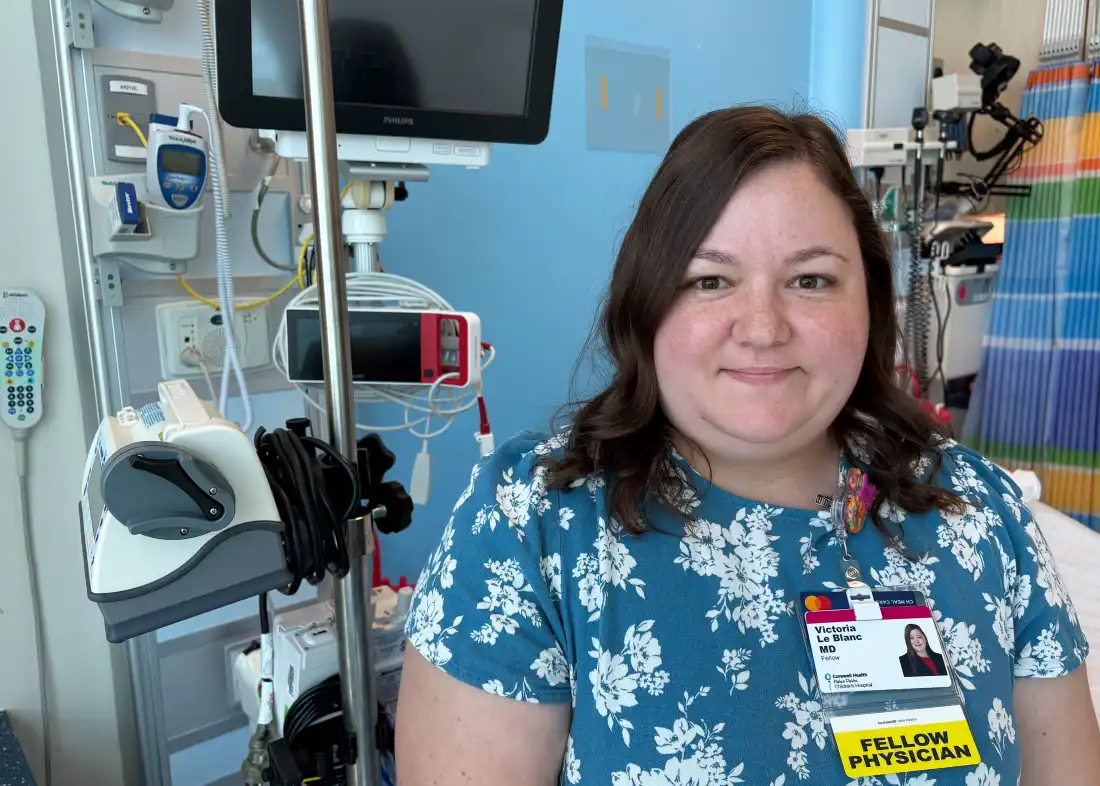
Pediatrician Torrie LeBlanc at Corewell Health's Butterworth Hospital in Grand Rapids, Michigan, launched a two-year initiative to reduce vitamin K refusals after witnessing the baby who nearly bled to death.
At least one family refuses daily
On average, at least one family at Butterworth Hospital refuses the vitamin K injection for their newborn every day, prompting LeBlanc and colleagues to act.
The initiative achieves modest success
Two years in, vitamin K refusal rates at the hospital are now flat, even as refusals of other standard newborn medications, including the hepatitis B vaccine, continue to climb.
LeBlanc trains staff in motivational interviewing
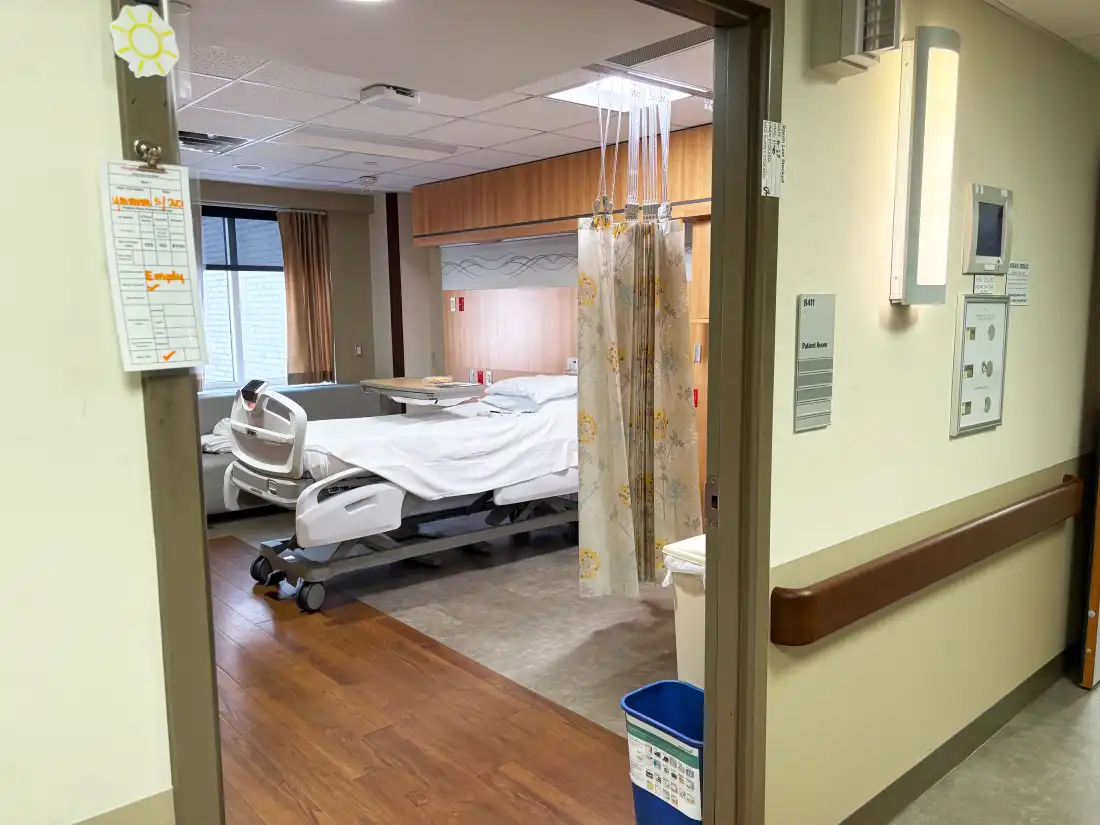
LeBlanc trained staffers in motivational interviewing, a technique that requires doctors to treat parents with unconditional positive regard. Parents' autonomy is paramount, even if their decisions conflict with medical recommendations.
LeBlanc persuades about half of refusing parents
LeBlanc gets about fifty percent of parents who initially refuse the vitamin K shot to change their minds. Other doctors at the hospital report success rates closer to twenty percent to forty percent.
Some doctors consider oral vitamin K
LeBlanc and Jaspreet Loyal, a pediatrician at Yale New Haven Hospital, argue doctors should be open to parents who decline the injection but want liquid drops or crushed tablets instead.
“I would rather have them have some protection with the oral than no protection at all”
A meningitis case tests compromise
In May, a two-week-old baby came to Helen DeVos Children's Hospital with meningitis symptoms.The parents had declined vitamin K and also refused a lumbar puncture to confirm the diagnosis.
The mother thanks staff despite disagreement
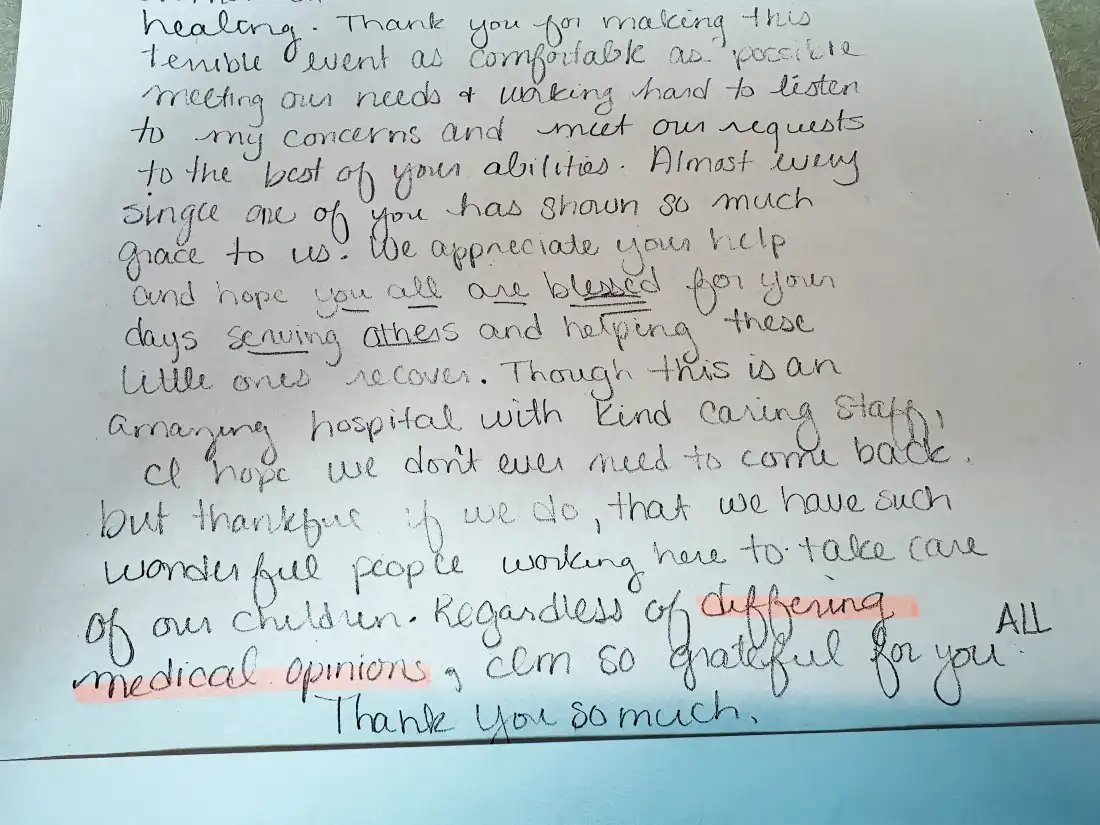
The baby was admitted for two weeks to receive intravenous antibiotics.The mother later wrote a thank-you note to staff saying they showed grace despite differing medical opinions.
“Regardless of differing medical opinions, I'm so grateful for you”
What to remember
Vitamin K refusal rates among newborns have more than doubled since 2017, driven by anti-vaccine misinformation, leaving doctors struggling to persuade parents to protect their babies from rare but deadly bleeding.
Read the TL;DR — this story on one card.