From NPR · · 3m
Why better sleep helps you lose weight
Research shows sleep affects appetite and food choices. Getting more sleep can reduce daily calorie intake without dieting.
In brief
Research shows sleep affects appetite and food choices. Getting more sleep can reduce daily calorie intake without dieting. Studies show inadequate sleep increases calorie intake by around three hundred calories daily, while better sleep improves weight loss efforts by reducing overeating and strengthening diet…
Sleep shapes your weight
Research links lack of sleep to overeating and weight gain. But can getting more sleep help people lose weight? Scientists are still investigating this question actively.
One study, eighty sleepy adults
Seth Creasy at the University of Colorado Anschutz studied eighty overweight adults who slept too little. Half got counseling to extend their sleep time by just over an hour per night.
More sleep, fewer calories
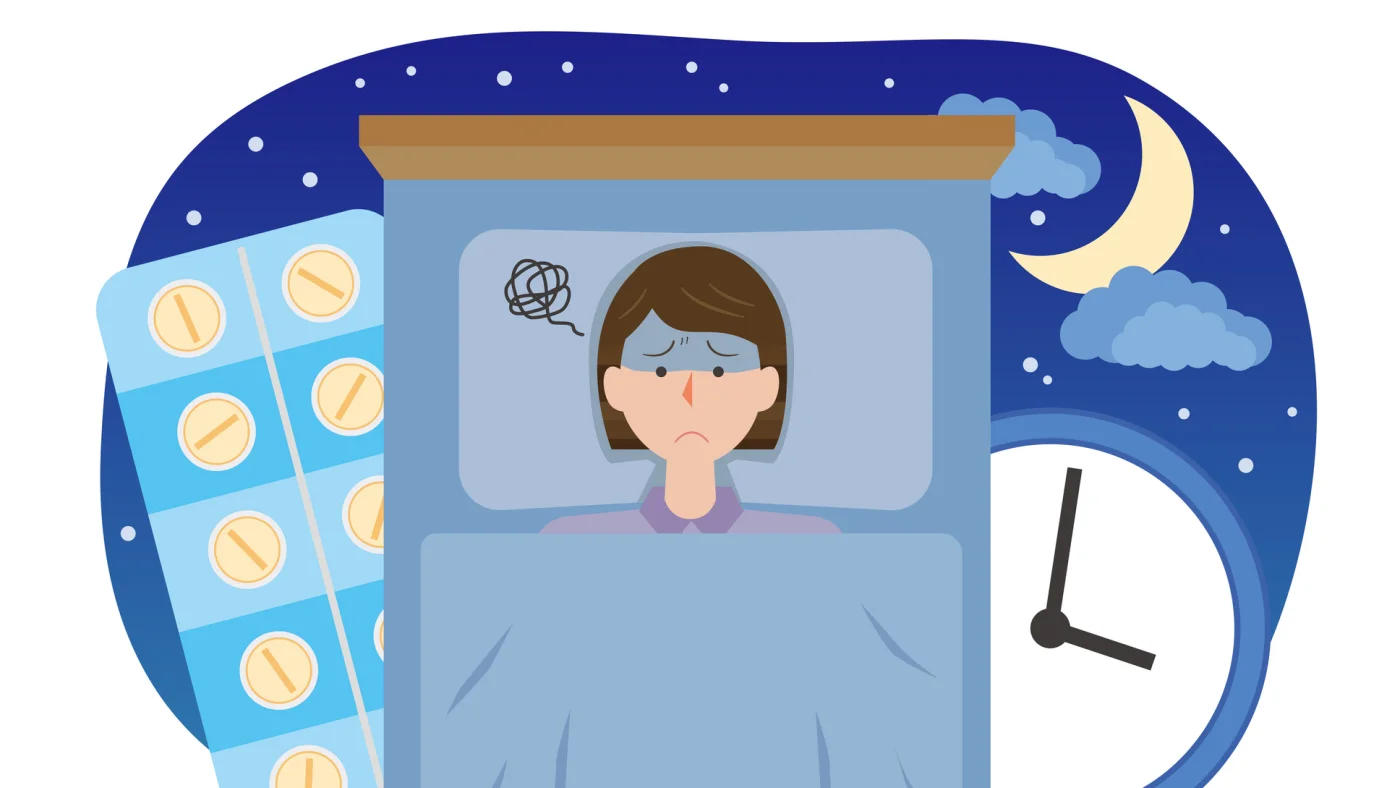
Without changing their diet, people who slept longer ate about two hundred seventy fewer calories per day. Once they got adequate sleep, they naturally ate less.
“They got them to sleep a little over an hour more per night. And they saw that, without intervening on food, these people started to eat less by about 270 calories per day.”
Better sleep, better weight loss
A year-long weight loss study found people with good sleep health lost more weight and more fat mass than poor sleepers. Good sleepers also stuck better to diet and exercise goals.
Sleep quality matters too
Christopher Kline at the University of Pittsburgh says good sleep means more than just hours. Sleep timing, regularity and satisfaction all play a role in weight management.
“A good analogy I like to make is if you get your eight hours of sleep, but those eight hours are between 4 a.m. and noon, that might not be as healthy as someone who regularly obtains their sleep between 10 p.m. and 6 a.m.”
Sleep loss adds up fast
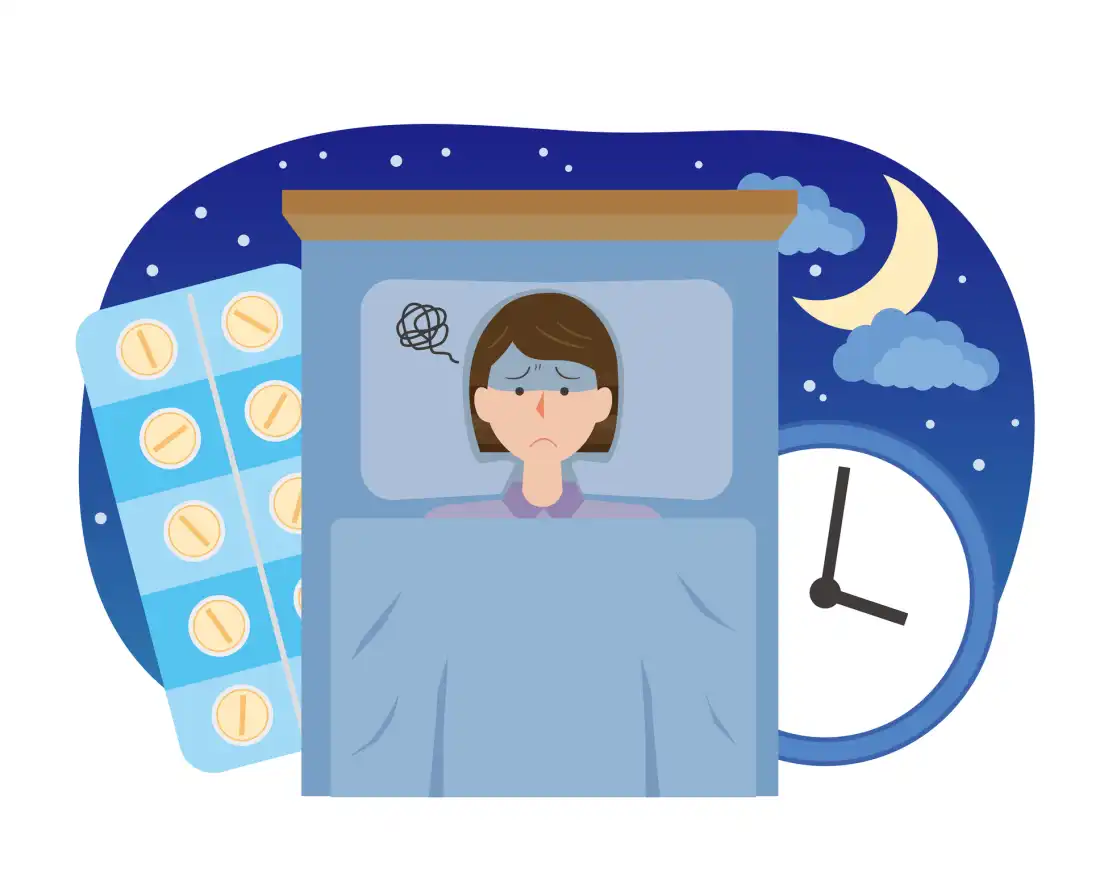
When people sleep just ninety minutes less than usual, they gain an average of one pound over six weeks. Marie-Pierre St-Onge at Columbia University says this compounds over time.
“over time, it adds up”
Your brain craves junk food
Brain imaging shows that when sleep-deprived, activity increases in areas controlling pleasure and reward. This makes it harder to resist sweet and salty foods, especially later in the day.
“Our brain is less able to inhibit our desires for those sweet and salty foods”
Food affects sleep too
The relationship works both ways. Added sugars and saturated fat disrupt sleep and reduce deep slumber. Fruits, vegetables and fiber improve sleep quality and reduce nighttime awakenings.
Start with small changes
St-Onge recommends cutting foods high in added sugars and sweetened beverages. Switch to whole grains instead of refined carbohydrates and eat more fruits and vegetables throughout the day.
“As a first step, cut out foods that are higher in added sugars and sweetened beverages”
Sleep hygiene matters
Philip Cheng at Henry Ford Health in Michigan says keep your bedroom cool and dark. Stick to a regular schedule for bed and waking to stabilize your sleep long term.
When to seek help
If poor sleep lasts months or years, see a medical provider. Persistent sleep problems need professional attention to address underlying causes and improve health outcomes.
At a glance
Studies show inadequate sleep increases calorie intake by around three hundred calories daily, while better sleep improves weight loss efforts by reducing overeating and strengthening diet adherence.
Read the TL;DR — this story on one card.


