From NPR · · 3m
Why people pay to be scared
Americans spend hundreds of millions at haunted attractions each year. Scientists say fear can be fun, useful and even therapeutic.
In brief
Americans spend hundreds of millions at haunted attractions each year. Scientists say fear can be fun, useful and even therapeutic. Haunted attractions draw tens of millions of visitors annually as researchers find recreational fear may help people prepare for real-world dangers and treat anxiety. Originally reported…
October spending on fear
Americans are expected to spend more than thirteen billion dollars on celebrating spooky season through horror films, costumes, candy and attractions.
Haunts draw millions yearly
Between three hundred and five hundred million dollars of that spending comes from attending haunted attractions, where tens of millions of people willingly pay to be frightened.
Markoff's Haunted Forest

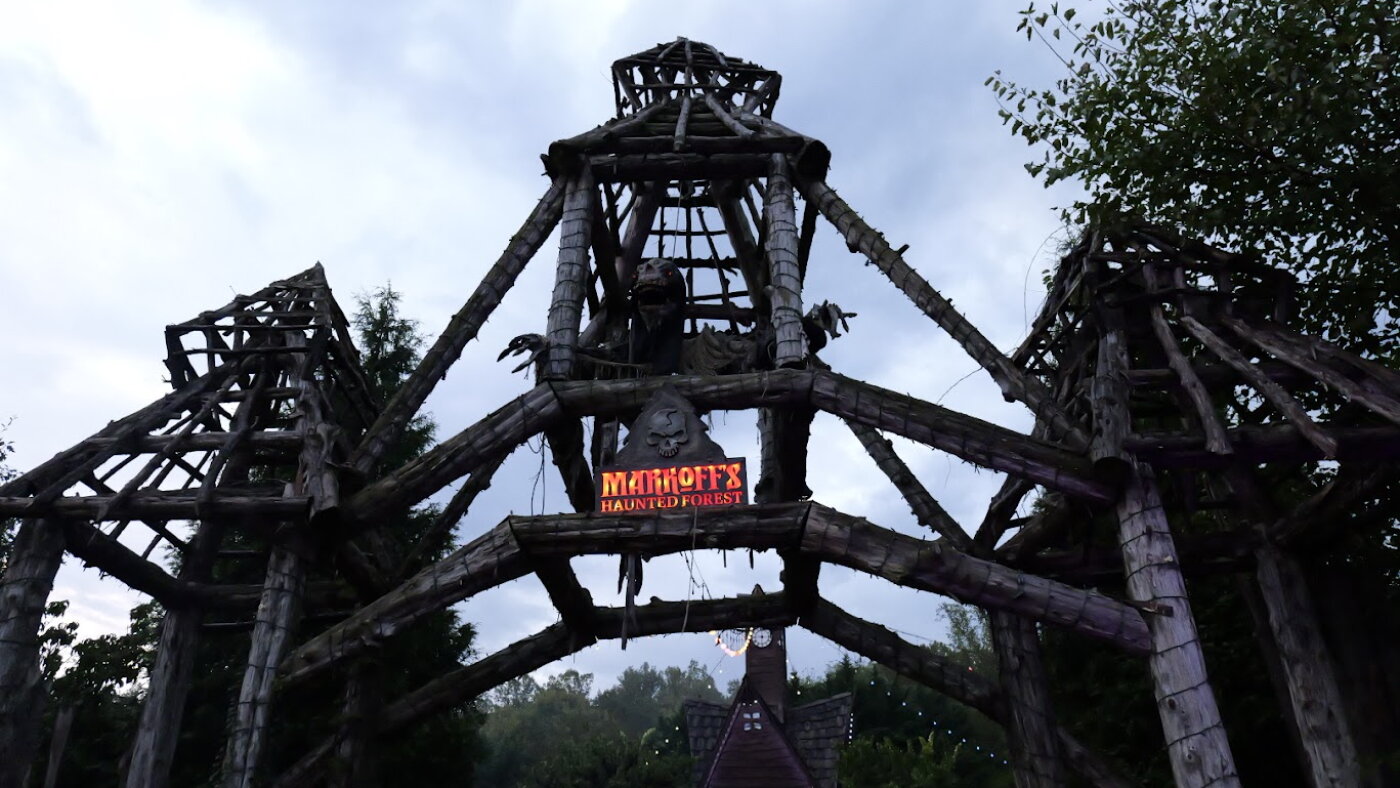
One of the largest haunted attractions in the country, Markoff's Haunted Forest in Dickerson, Maryland has more than a mile of haunted trails and dozens of themed haunted houses.
Open since nineteen ninety-two
The attraction employs hundreds of engineers, retail attendants, makeup artists and actors. It starts with towering skull-emblazoned wooden gates reminiscent of folk horror movies like The Wicker Man.
Makeup in seven minutes
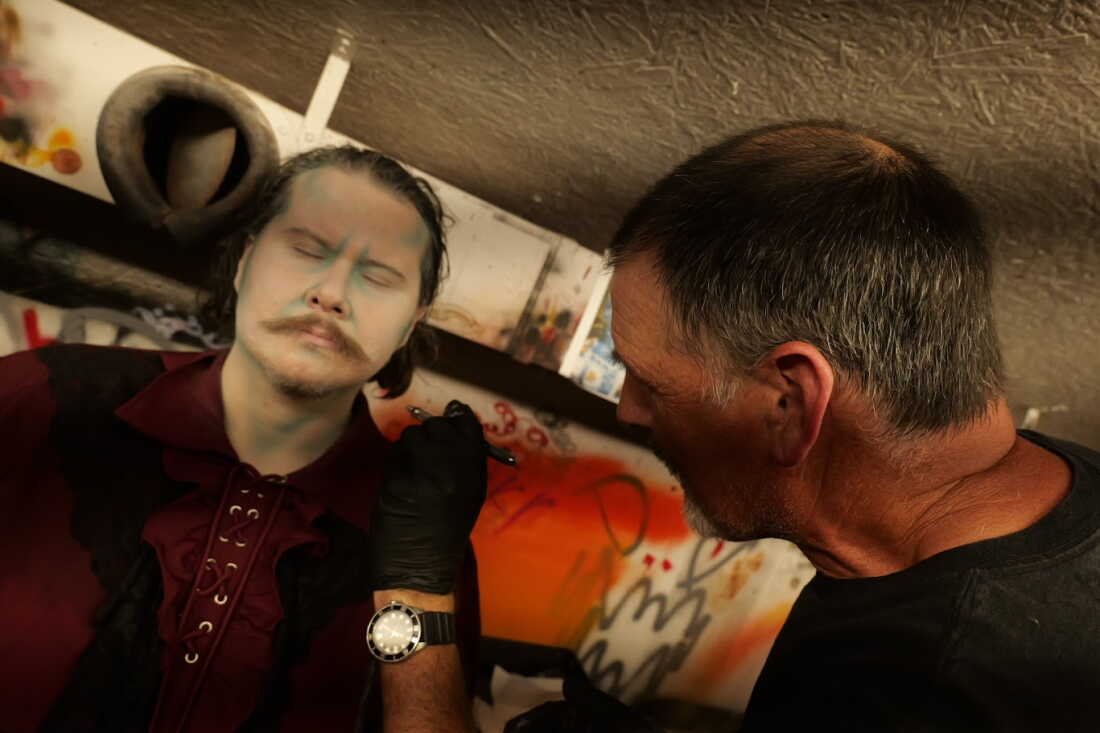
Art director and makeup manager Chris Knowles uses pressurized airbrushes to transform actors into ghouls, vampires and aliens. He has about seven minutes to do makeup for roughly one hundred people in two hours.
Robert Doyle's five years
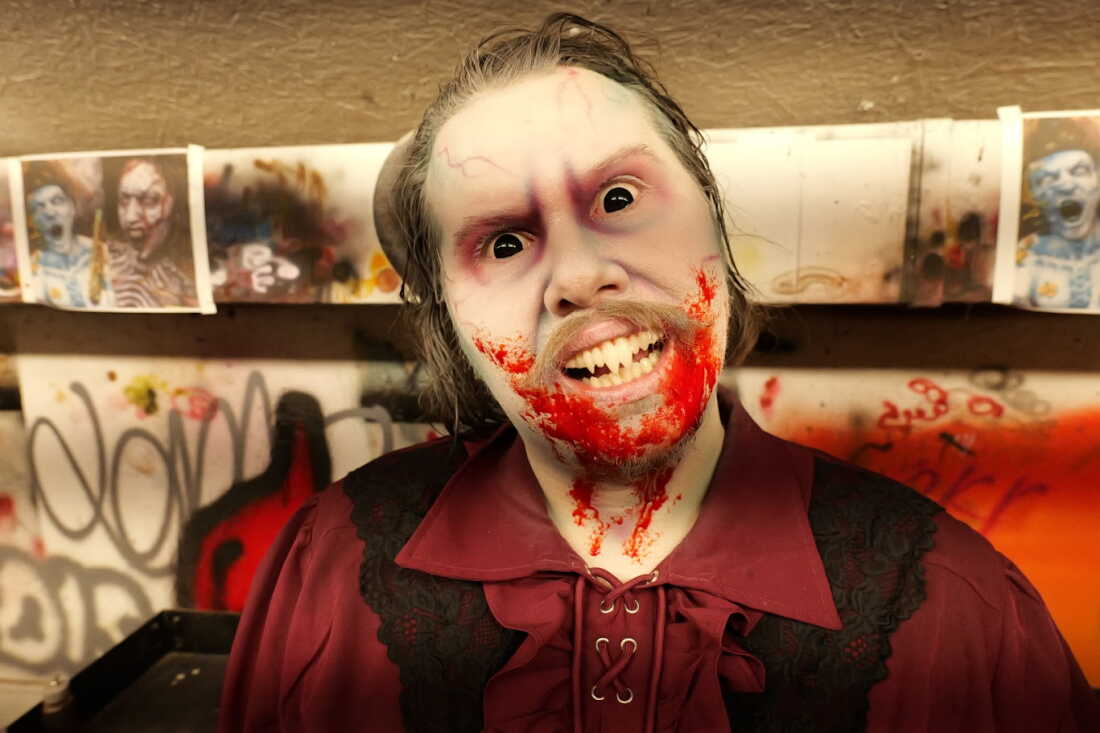
Robert Doyle, thirty-eight, has played all kinds of frightening characters in his five years at Markoff's. Tonight he is a Nosferatu-style vampire with sharp fangs, a bloody mouth and pupils as dark as coal.
Why people come back
Doyle thinks people keep coming back to places like Markoff's to face down their fears safely. People want to challenge themselves and say they accomplished something.
“People want to challenge themselves and they can say they accomplished something.”
Jermaine Hoes scares people
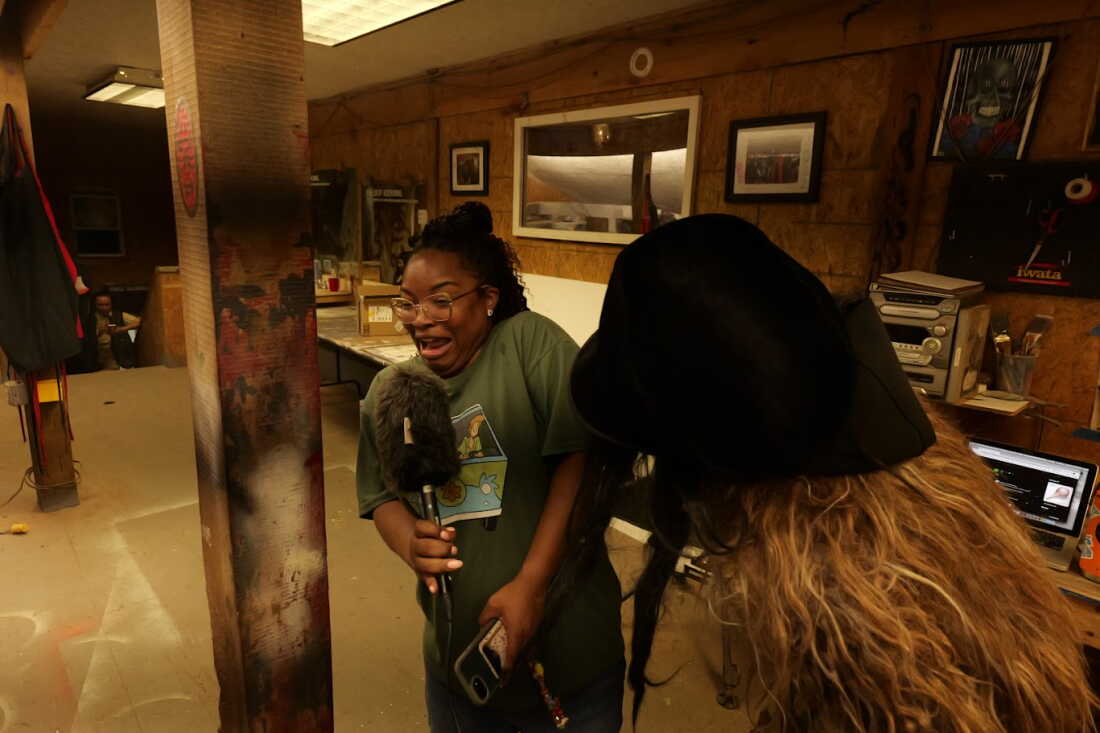
Scare-actor Jermaine Hoes has been a scare actor at different haunts around Maryland for years. He says his reason for moonlighting as a horrific beast is simple: he likes scaring people.
“I like scaring people. I like to make you run and scream and holler everywhere.”
Fear is extremely fast
Harvard Medical School associate professor of radiology Nouchine Hadjikhani studies what happens in the brain when someone is afraid. She shows subjects frightening images and measures their brain's reaction.
The amygdala activates
When shown snakes and spiders for thirty milliseconds, Hadjikhani's subjects show amygdala activation. Their heart goes faster, they sweat and their pupils dilate in response to frightening images.
“Your heart goes faster. You go a little further back and you start sweating. Your pupils get high for a stupid image on the screen.”
Fear inoculation theory
Matthias Clausen and Marc Andersen at the Recreational Fear Lab at Aarhus University in Denmark study why people seek out frights. They call seeking fear a fear inoculation, preparing bodies for the real world.
“When you engage in recreational activities, you're essentially administering a fear vaccine.”
Horror fans treat anxiety
Co-director Marc Andersen has interviewed subjects who say they treat their own psychological disorders using fear. Horror fans report they deal with clinical anxiety by watching horror movies.
“We have a ton of anecdotal stories about horror fans that we meet that tell us that they deal with their clinical anxiety by popping in a horror movie.”
Fear brings people together
Playing with fear is incredibly social. Groups who go through haunts together report experiencing a sense of bonding, something that characterizes most kinds of recreational experiences.
Scare actors form family

Back at Markoff's, scare-actor Jermaine Hoes says his coworkers and the people he scares are like a family. The people, the vibes and meeting visitors create strong connections.
“The people, man. The vibes are great. You know, you meet a lot of people here. They have a ball. You get to mix and mingle with them.”
In short
Haunted attractions draw tens of millions of visitors annually as researchers find recreational fear may help people prepare for real-world dangers and treat anxiety.