From NPR · · 3m
Why some midterm races won't be called for days
Close races in states that count slowly create perfect conditions for election misinformation.
In brief
Close races in states that count slowly create perfect conditions for election misinformation. Competitive races combined with slow vote counting mean some midterm results won't be called until days after Election Day, creating space for false narratives. Originally reported by NPR.
The pressure of waiting
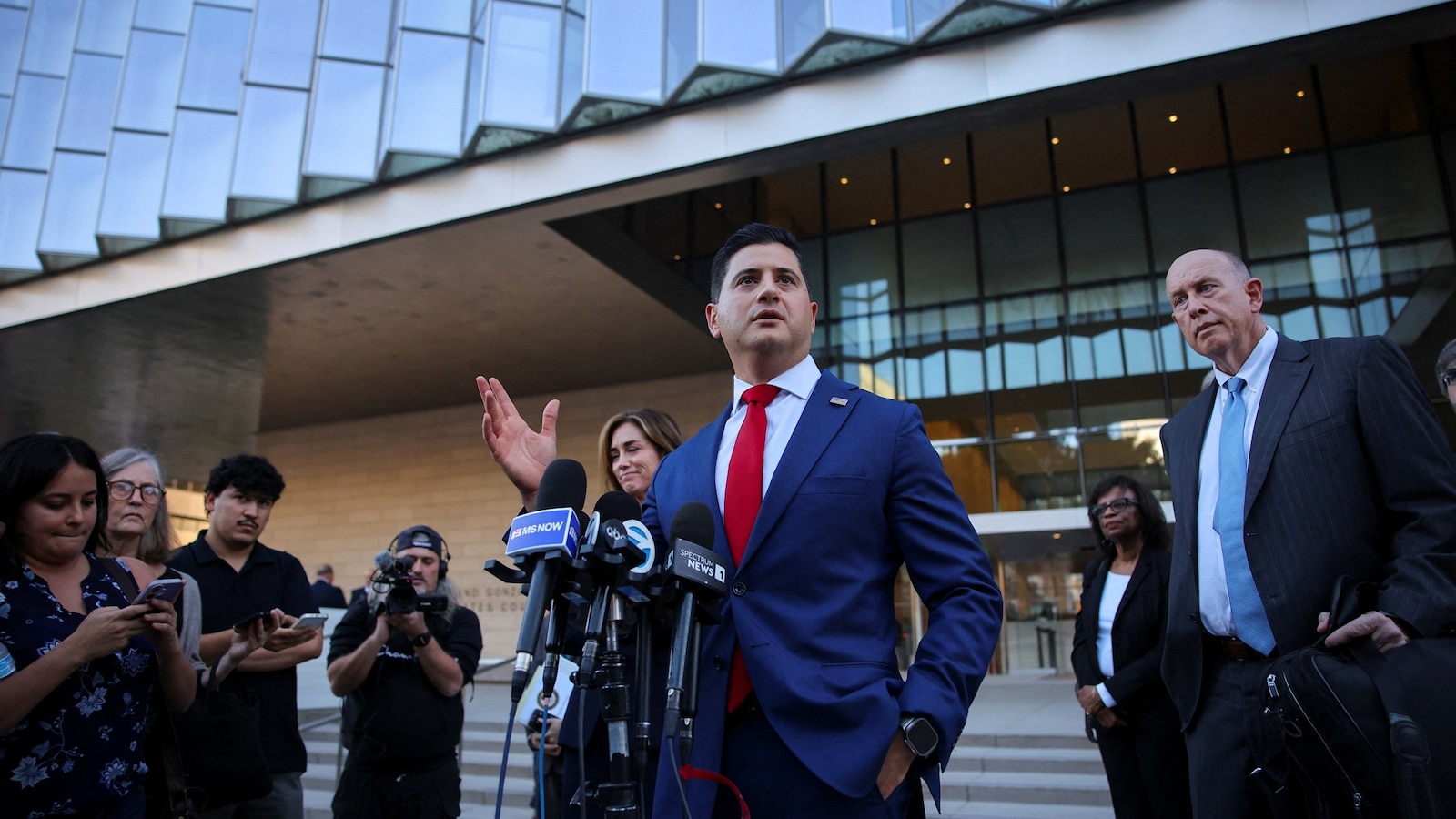
Stephen Richer, a Republican who ran Arizona's Maricopa County elections, recalls the stress of processing over a million ballots on election night while facing accusations of incompetence or corruption.
“Those days, those were hell for me.”
Close races may not be called for days
This midterm year, election officials in competitive congressional districts will face pressure as those races might not be called until days after Election Day.
Margins determine when results are called
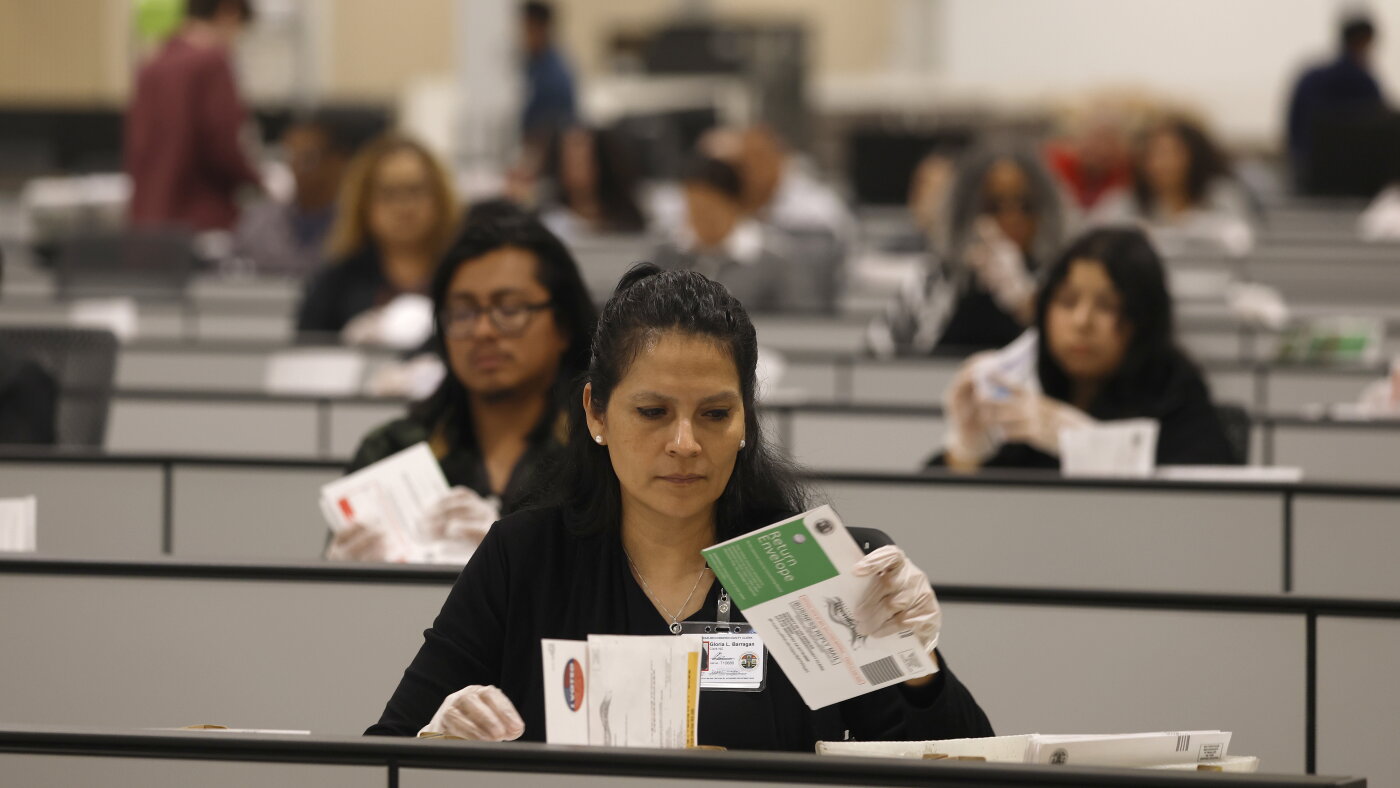
News organizations call races based on demographics and initial returns, not complete ballot counts. Races with large margins are called quickly, while close races take longer.
“Margins matter.”
Utah versus Arizona shows the pattern
Stephen Richer noted that Utah races are called quickly because Republicans have high margins there, despite both states counting votes at similar speeds. This creates an illusion of faster elections.
“In Utah you can call all the races very quickly because the Republicans there have high margins.”
Counting speed matters for close races
The closer a race, the more election analysts need to see before calling it. Fastest counting speeds help make determinations sooner. Longest waits come from competitive races in slow-counting states.
California has both problems
California has become the poster child for long results times because it has many competitive congressional districts and counts votes among the slowest in the nation.
Trump's misinformation targets California
President Trump, the most prominent purveyor of election misinformation, has long targeted liberal California. Combined with slow counting and competitive races, this creates a perfect storm for false voting narratives.
“California just has a big target on its back.”
The pig in the python problem
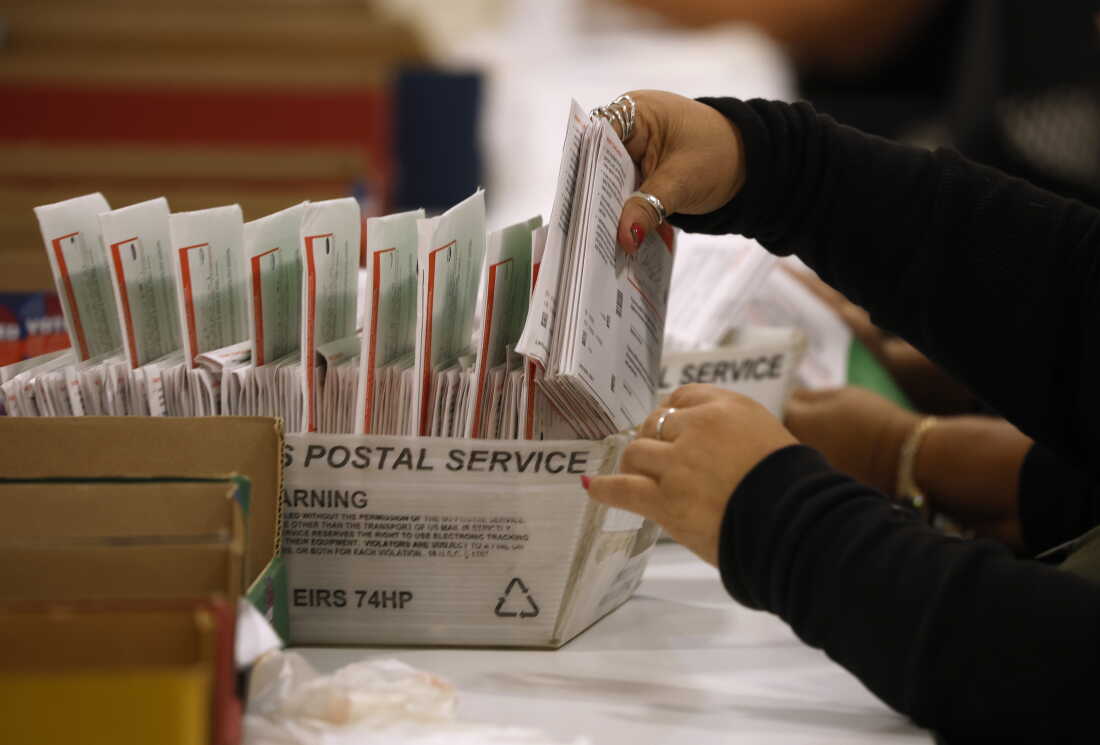
California's biggest counting delay comes from millions of mail ballots returned on Election Day. Some counties see up to fifty percent of mail ballots turned in that day, delaying processing until later in the week.
California allocated forty million dollars
The state allocated forty million dollars to speeding up its counting this year, with part of that money going to voter education to encourage earlier voting or alternative voting methods.
Voter education showed early results
Research found that when voters in California's San Joaquin County received postcards urging them to vote earlier, they were more likely to meet the deadline that allowed for election-night counting.
Fewer competitive districts this year
California had nine competitive House districts ahead of the twenty twenty-two elections, but this year has just three, partly because voters approved a mid-cycle gerrymander.
Alaska could determine Senate control
Alaska was the last state in twenty twenty-four to reach ninety-five percent of ballots counted.A tight Senate race there means the entire country could wait weeks to know which party controls the Senate next year.
The short version
Competitive races combined with slow vote counting mean some midterm results won't be called until days after Election Day, creating space for false narratives.