From Nationalclubgolfer · Steve Carroll · · 1m 20s
Can nature help shape a better golf course?
Golf courses can boost wildlife and resilience while keeping playability through nature-based improvements.
In brief
Golf courses can boost wildlife and resilience while keeping playability through nature-based improvements. Golf courses using nature-based improvements like wetlands and wildflowers improve biodiversity and resilience without sacrificing playability. Originally reported by Nationalclubgolfer.
Golf courses as green spaces
Golf courses are among the largest managed green spaces in many communities, with value extending well beyond the boundaries of play.
Nature enhances golf experience
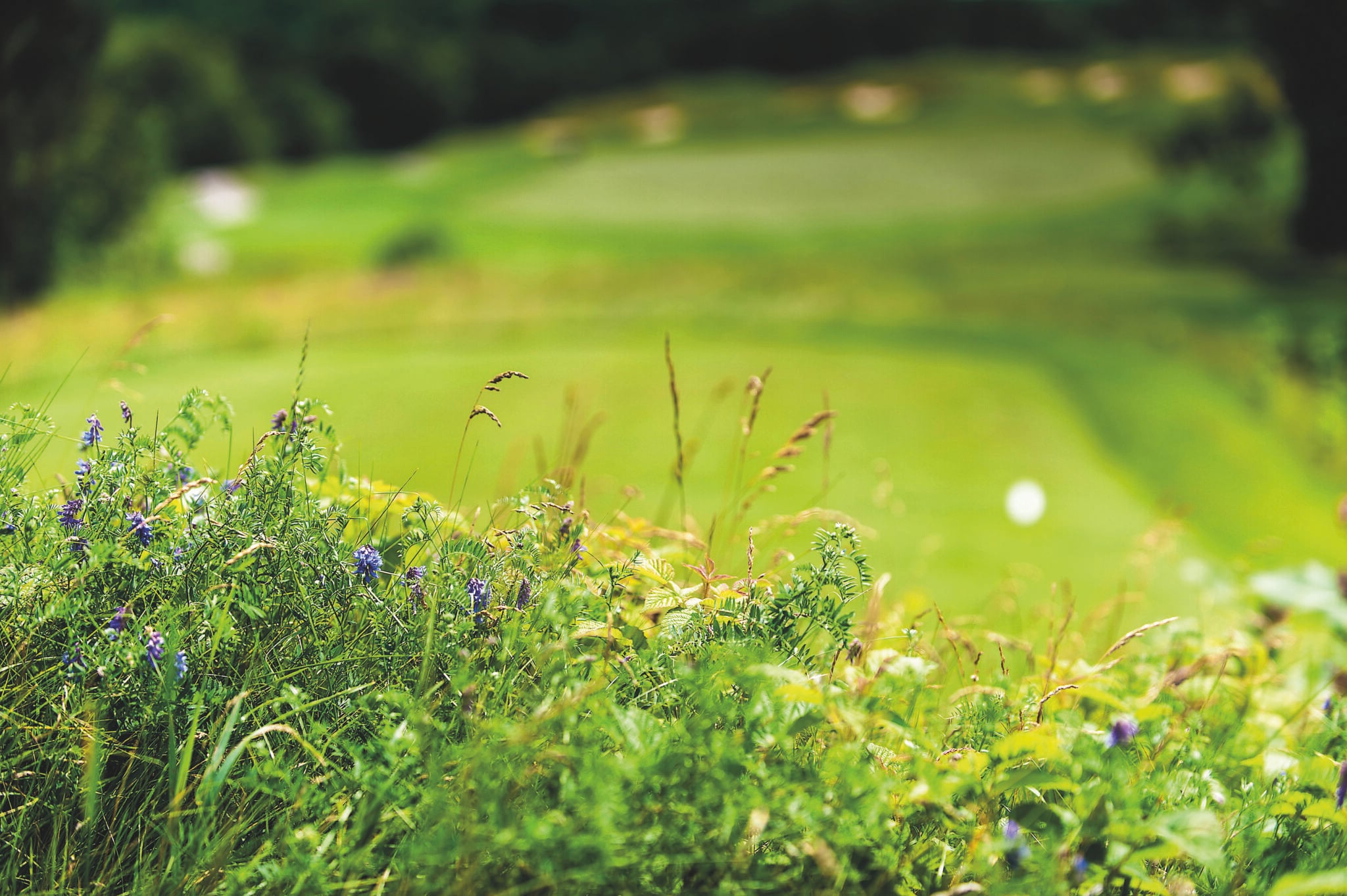
Woodland edges, ponds, rough grass, wildflowers, heather, gorse, hedgerows and wetlands all help shape the experience of a round.
Greenkeepers' modern role
Greenkeepers manage water, protect habitats, improve soils, reduce inputs, support biodiversity and plan for extreme weather.
Biodiversity net gain opportunities
In England, Biodiversity Net Gain creates potential for golf clubs to fund habitat creation like meadow restoration and wetland projects.
Balancing nature and playability
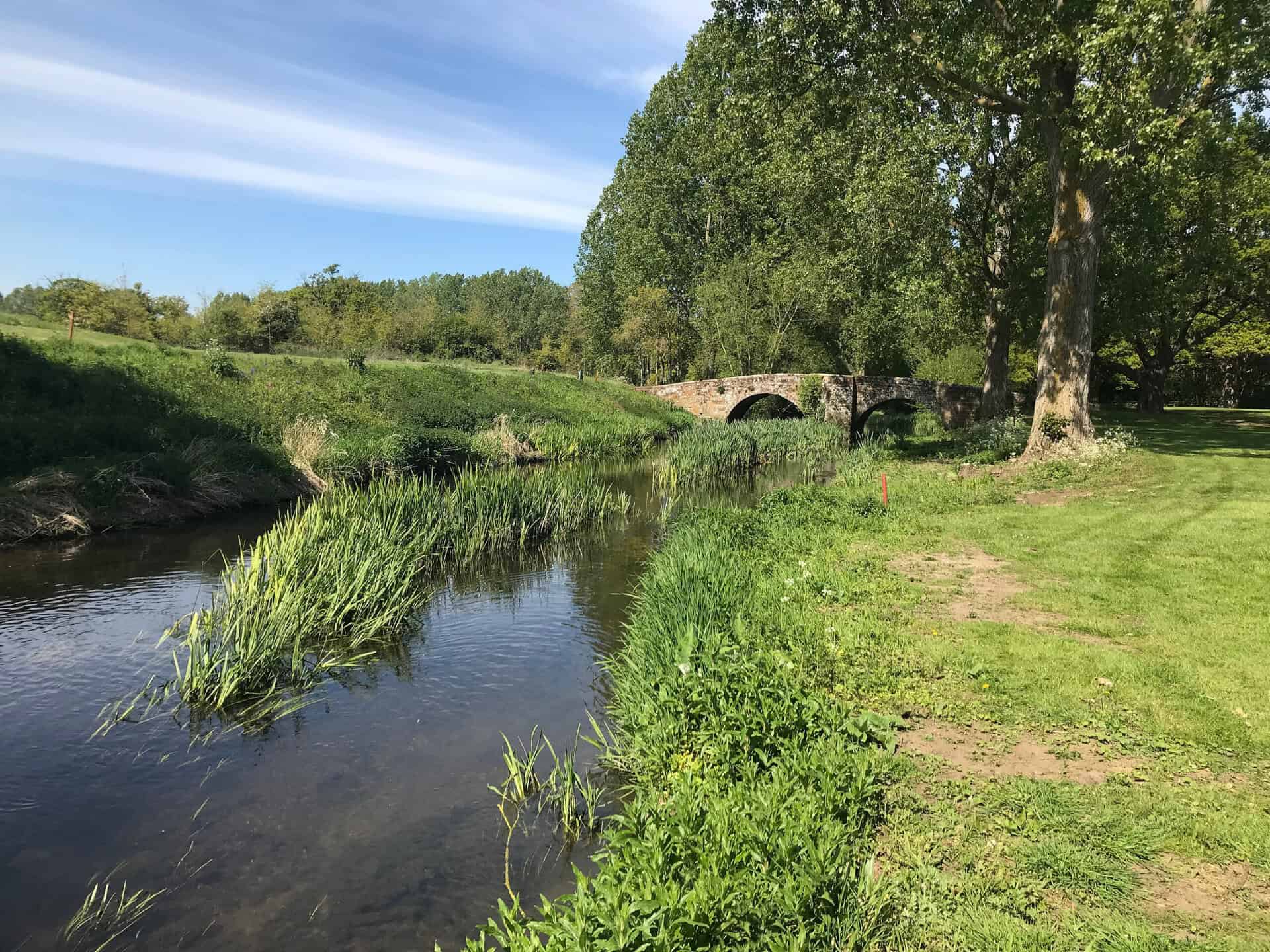
Playability remains first; greenkeepers know where the game is played and where changes can be made without slowing play.
Weather challenges
Hotter, drier spells and sudden heavy rain put pressure on turf health and drainage systems.
Nature-based solutions
Wetlands, ponds and watercourses support drainage and water storage while longer rough areas reduce unnecessary mowing.
Funding for nature improvements
Clubs may explore grants, partnerships and other funding routes alongside Biodiversity Net Gain to support habitat creation.
What it means
Golf courses using nature-based improvements like wetlands and wildflowers improve biodiversity and resilience without sacrificing playability.
Read the TL;DR — this story on one card.