From Newsweek · · 3m
David Banner's blueprint for Southern hip-hop
The Mississippi rapper is redefining what intelligence sounds like and building new models for artist ownership.
In brief
The Mississippi rapper is redefining what intelligence sounds like and building new models for artist ownership. David Banner is using his platform to challenge stereotypes about Southern accents and intelligence while pioneering direct-to-fan distribution models that prioritize artist ownership and community trust…
The accent question
David Banner was told to soften his Mississippi drawl in dialect classes because casting directors might typecast him. He refused, asking: who gets to decide what intelligence sounds like?
“My Southern accent has nothing to do with my intelligence.”
From Jackson to national stage
Born Lavell William Crump, Banner earned a business degree and studied education before music took over. His 2003 album Mississippi gave the state national prominence with hits like "Like a Pimp."
Southern elders deserve reverence
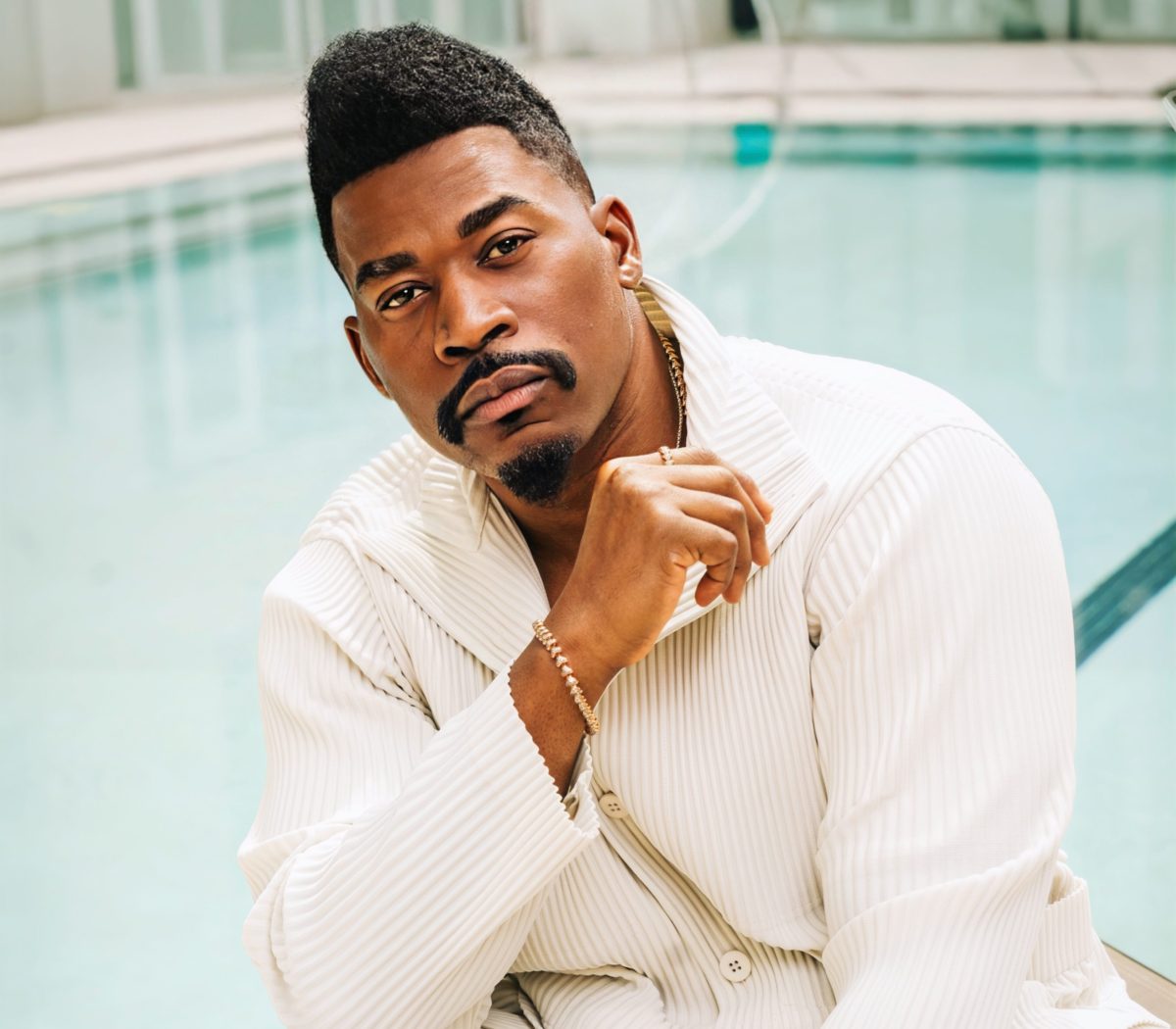
Banner argues hip-hop forgets its Southern lineage. Artists like 8Ball and MJG are sampled and celebrated briefly, then left out of the canon. He wants Mississippi: The Album revisited as proof the South deserves lasting recognition.
“We don't give the reverence to our Southern ancestors, our Southern lineage, the way we do other people.”
The skip seen around hip-hop
At a UGK tribute concert, Banner performed in character, skipping with joy during "Like a Pimp." The viral moment showed audiences that intelligence and joy can coexist in a gangster rapper from Mississippi.
“It's all right for you to be smart. It's all right for you to smile.”
Dancing is part of his DNA
Banner grew up dancing and flipping in front yards. When gangster rap narrowed club movement, he kept the older vocabulary stored in his body. The skip revealed a dimension already present.
“People don't know I can dance. People forget I come from hip-hop.”
Returning to the machines
Banner's new single "Where You From?" features T.I., Juicy J and Duke Deuce. He pulled out old drum machines and keyboards to marry bass heavy enough to shake a room with separation for every element to breathe.
“This is the quintessential David Banner with a modern twist.”
Building The God Box trilogy
Banner's forthcoming The God Box 2 maps belief through human experience. The first album considers God, the second examines estrangement, and a planned third imagines return. He calls it one of the best rap albums of all time.
Pay what you want model
Visitors to Banner's website choose what to pay for new music, including unreleased tracks and alternate versions. Direct support has exceeded what many artists earn through long stretches of streaming.
“It goes straight to my bank account.”
Community trust over viral sharing
Banner released an unreleased song featuring Eric Bellinger and Anthony Hamilton, asking buyers to keep it private. Nobody posted it. In a business built on frictionless sharing, restraint became a form of membership.
“Do you know how powerful that is in this day and age?”
Freedom is the smile
For Banner, ownership is inseparable from freedom. He wants younger people to see that freedom means uploading a remix immediately, rewarding paying audiences, preserving private songs and creating jobs with wealth to come.
“Freedom is my smile.”
Acting expands the space
Banner's screen credits span Black Snake Moan, The Butler, Ride Along, Empire, Saints & Sinners and Fight Night. Each role widens the space in which audiences encounter him beyond the gangster rapper stereotype.
Scale demands respect for your voice
Banner argues that when an artist becomes indispensable enough, productions must adapt to the artist's voice rather than demand its erasure. He wants that freedom for the next generation.
“When I get big enough, then you'll have to adjust to me, and I won't have to adjust to you.”
The short version
David Banner is using his platform to challenge stereotypes about Southern accents and intelligence while pioneering direct-to-fan distribution models that prioritize artist ownership and community trust.