From Newsweek · · 2m
Do not swim: Great Lakes beaches under hazard warnings
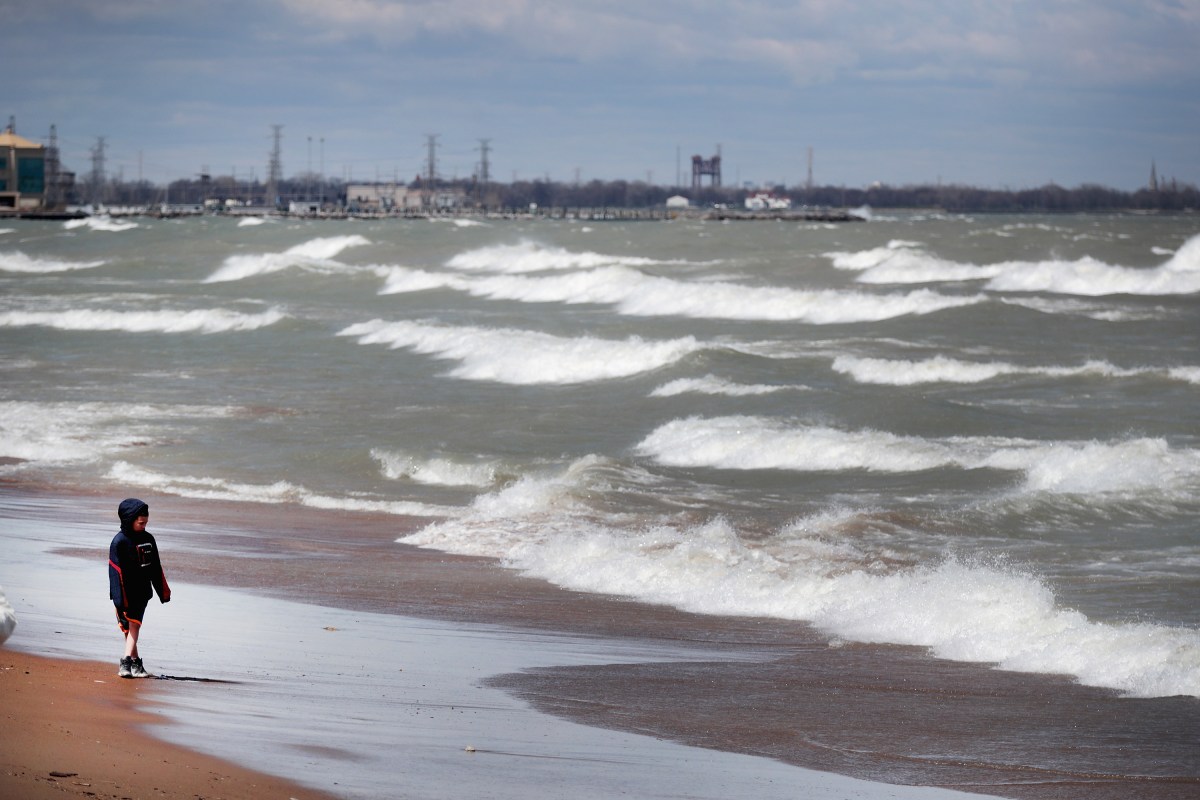
High waves and rip currents have closed the water at a list of Wisconsin and Michigan beaches, and the lifeguards already went home.
In brief
High waves and rip currents have closed the water at a list of Wisconsin and Michigan beaches, and the lifeguards already went home. If a beach hazard statement is up, stay out of the water. If you are caught anyway, flip onto your back, float, and follow the current instead of fighting it. Originally reported by…
Lake Michigan turns dangerous
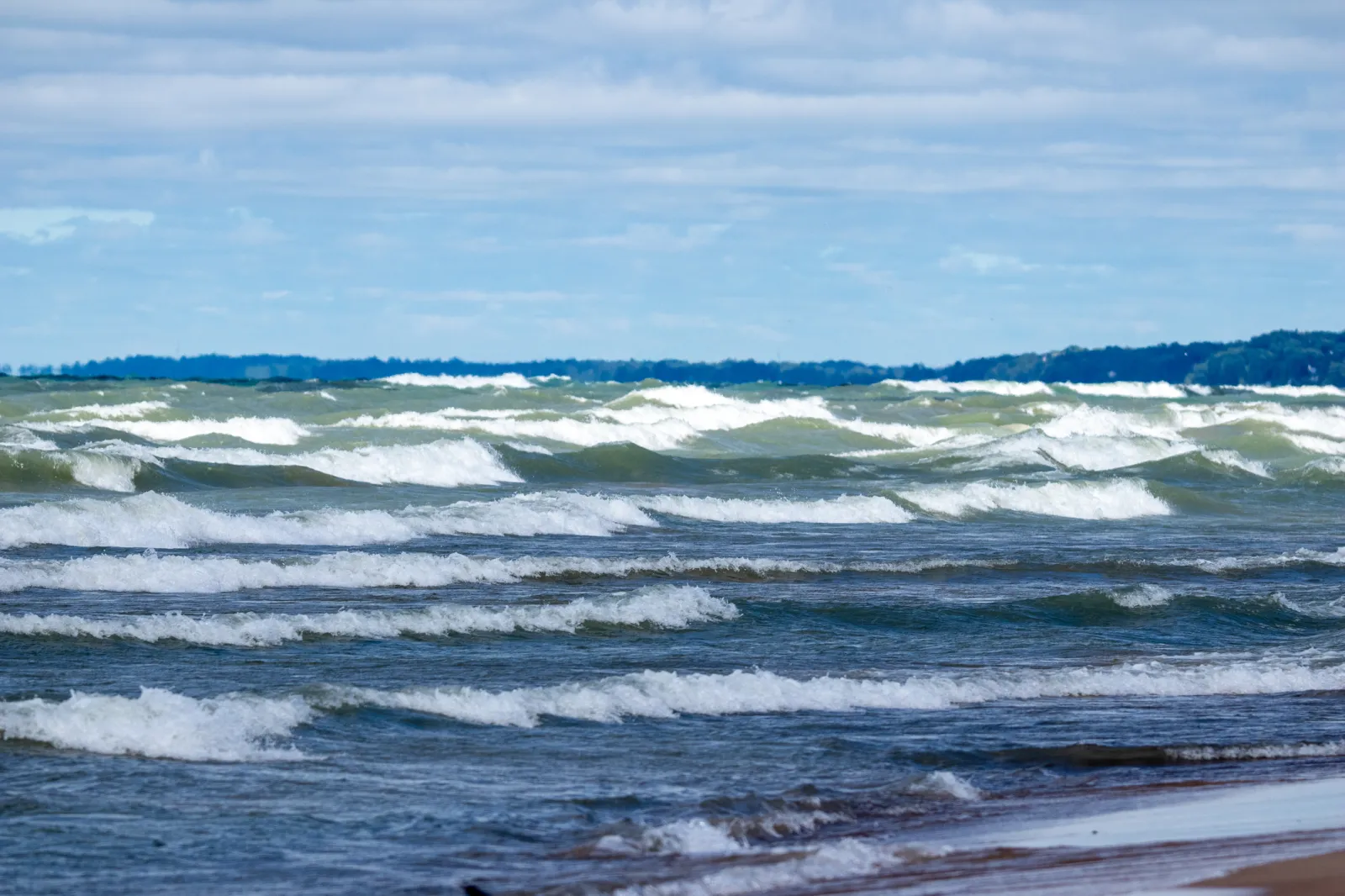
Fresh beach hazard statements cover stretches of Lake Michigan shoreline. Forecasters say high waves, rip currents and other strong currents could be life-threatening for anyone who gets in.
A million people warned

Days earlier, warnings spanned all five Great Lakes, from Superior to Ontario, telling close to a million people to stay out of the water as a big weather system moved through.
The Wisconsin list
Kewaunee County: Crescent Beach and City of Kewaunee Beach. Manitowoc County: Point, Neshotah and Red Arrow. Door County: Rock Island State Beach, Baileys Harbor beaches and Whitefish Dunes.
And in Michigan
Southern Schoolcraft County covers Lakeview Park and Seul Choix Point. The Marquette NWS office said similar wave setups there have led to rescues and deaths before.
“Waves in rapid succession can tire swimmers quickly”
Nobody is watching
Most Great Lakes lifeguard seasons run Memorial Day weekend through Labor Day, so the beaches are unstaffed now. Swimmers in trouble this weekend have no trained rescuer nearby.
“This time of year there are no lifeguards on the beaches across the Great Lakes”
The death toll is real
Roughly 1,480 people have drowned in the Great Lakes since 2010. This year alone there have been 65 deaths, and 35 of those were in Lake Michigan.
Inland does not mean safe

Wind blowing across long open water builds waves and currents that rival ocean coastlines. Dangerous conditions can form fast near piers, breakwalls and river mouths, even on a warm, calm-looking day.
Flip, float and follow
A rip current pulls you out, not under. Do not fight it. Roll onto your back, float to save energy, then follow the current out and swim parallel to shore before angling back in.
The takeaway
If a beach hazard statement is up, stay out of the water. If you are caught anyway, flip onto your back, float, and follow the current instead of fighting it.