From Newsweek · · 1m 50s
Doctor Explains Lethal Injection Flaw
A doctor reveals how medical expertise is barred from lethal executions, risking botched outcomes.
In brief
A doctor reveals how medical expertise is barred from lethal executions, risking botched outcomes. Christa Pike survived Tennessee's failed execution due to ethical barriers preventing qualified medical staff from administering drugs. Originally reported by Newsweek.
Fundamental flaw in lethal executions

A former surgeon says medical professionals best equipped to administer drugs are ethically barred from participating in executions.
“The problem with lethal injection is the people who are most qualified to do it are ethically forbidden from participating”
Hippocratic paradox in executions
Jonathan Groner, an expert on medical aspects of capital punishment, describes the dilemma as a 'Hippocratic paradox'.
“Hippocratic paradox”
Pike survived failed execution
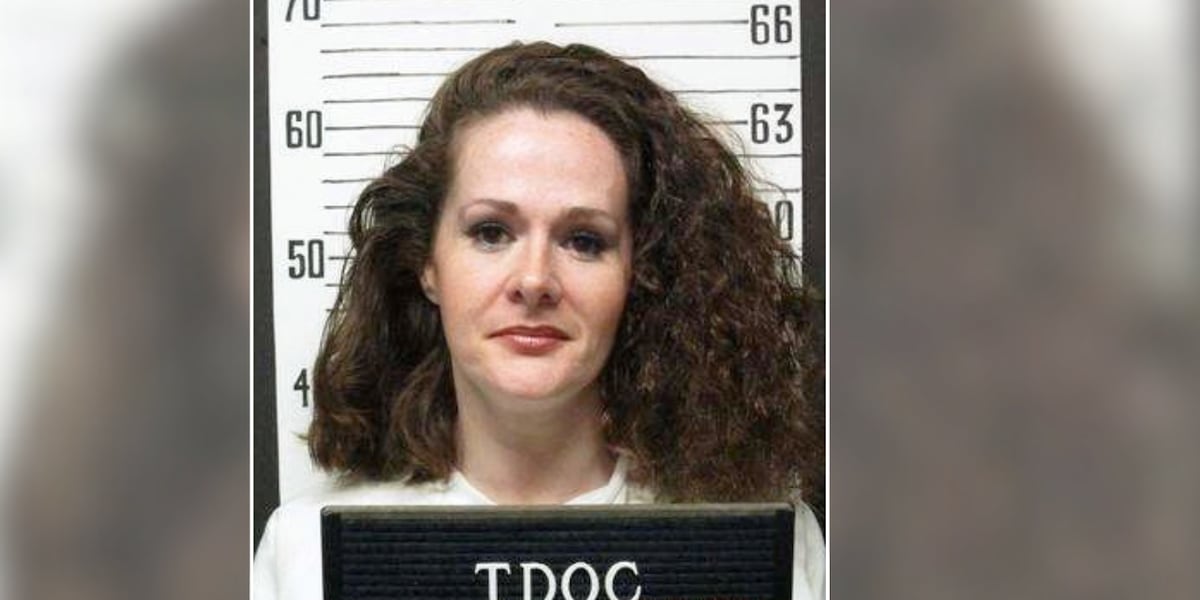
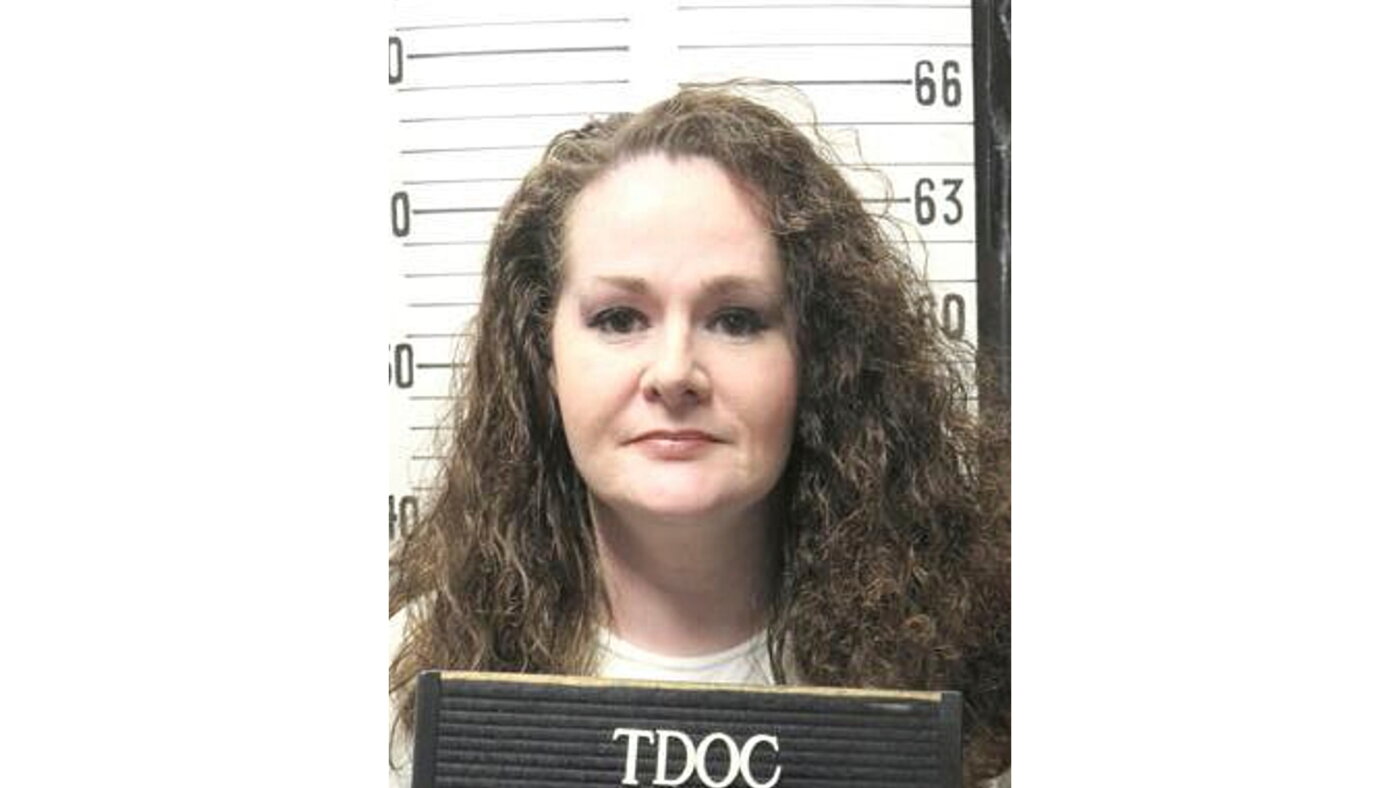
Christa Pike survived Tennessee's September 30 execution attempt after two doses of pentobarbital.
Extravasation as possible cause

Groner suggests extravasation, where drug escapes into tissue, could explain why pentobarbital didn't enter Pike's bloodstream.
IV access complications
Pike's arms showed severe burns, blistering and swelling, consistent with extravasation causing tissue damage.
“her hands as looking like if you were to blow up a surgical glove”
Inadequate IV monitoring
Executions often separate staff from patients, making it harder to detect IV complications in real time.
Lack of experienced personnel

Groner states that experienced clinicians are better equipped to manage IV access issues during executions.
“The people who are very good at it have done it all the time”
Drug quality concerns
The source and quality of pentobarbital used in Pike's execution remain unverified, raising safety questions.
Fasting not a survival factor
Groner rejects claims that fasting would make pentobarbital ineffective, noting dehydration can complicate IV access but not drug effectiveness.
Pike's legal challenges

Pike's attorneys argue she consumed food and fluids before the execution, countering claims she deliberately fasted to survive.
Uncertain next steps
Tennessee may attempt to execute Pike again, but legal challenges could prevent a second attempt due to constitutional concerns.
Constitutional implications
The Supreme Court has ruled that executing people with intellectual disability violates the Eighth Amendment, raising questions about Pike's eligibility.
In short
Christa Pike survived Tennessee's failed execution due to ethical barriers preventing qualified medical staff from administering drugs.